
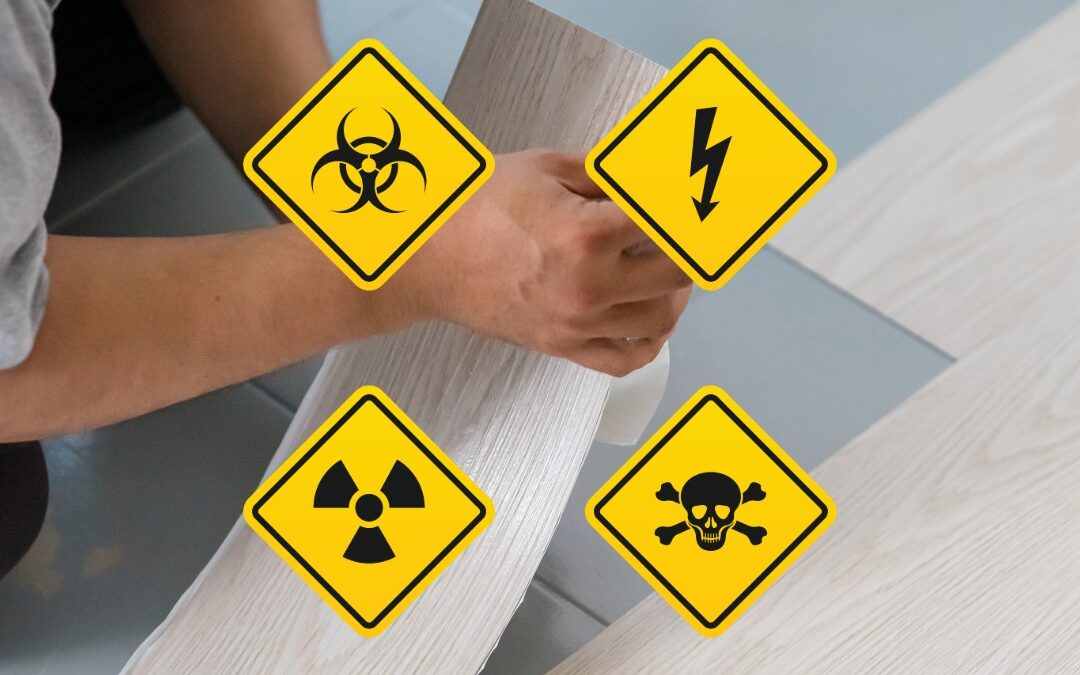
At first glance, the sleek look, water resistance, and low cost of luxury vinyl plank (LVP) flooring can make it seem like the perfect choice. It appears durable, stylish, and hassle-free. But what many homeowners and remodelers don’t realize is that beneath its wood-like surface, LVP carries hidden environmental and health concerns. It can release harmful pollutants into the air you breathe, affect the long-term value of your home, and compromise the security of your investment.
For those seeking a beautiful, high-performance floor that’s safe for your family, sustainable for the planet, and every bit as durable as vinyl, hardwood flooring offers a smarter, lasting alternative.
The Real Dangers of Luxury Vinyl Plank (LVP)
Luxury vinyl plank flooring is, in essence, a plastic product, mostly constructed of polyvinyl chloride (PVC). While its water resistance and durability are genuine, those qualities have trade-offs many consumers do not know about, including potential toxic flooring concerns.
Off-Gassing & Indoor Air Quality
Vinyl flooring produces volatile organic compounds (VOCs) along with other toxic chemicals. These toxic substances can remain in the air for weeks, months, or even years after vinyl flooring is installed. This continuous exposure is linked to respiratory problems, headaches, and other health risks, especially for children and elderly people.
Indeed, most homeowners are unaware that the air within their home may be impacted by what lies beneath. Although some vinyl products are described as “low-VOC”, this does not guarantee safety. Because of inconsistent regulations and limited disclosure, concerns remain about the safety of vinyl flooring and its potential health risks.
A Plastic Problem That Doesn’t Go Away 
Vinyl flooring is not biodegradable. When it is being removed or replaced, it tends to end up in a landfill where it will remain for centuries. In recent years, growing concerns have emerged around aging vinyl flooring and its release of microplastics into indoor spaces—contributing to pollution, degrading air quality, and raising long-term health risks.
Vinyl’s Vulnerability to Tariffs and Global Production Risks
Most LVP flooring does not come from your neighborhood supplier. It is likely made overseas in China, Vietnam, or South Korea. While this helps keep prices low initially, it exposes you to importing costs, like tariffs and overseas shipping, and potential supply instability. After making plans for remodeling or building a new home, LVP can become a less reliable investment with cost increases or shipping delays.
Tariff Impact on Your Flooring Investment

As of August 2025, the U.S. has imposedtariffs of up to 45% on numerous Chinese imports—including vinyl flooring products such as sheet vinyl, LVP, and LVT. Introduced in response to ongoing trade imbalances and economic tensions, these tariffs are expected to remain in place for the foreseeable future.
For you, the homeowner or remodeler, it directly means higher costs, uncertain availability, and more volatile product lines.
Even if you choose a product today, there’s no guarantee it will still be available—or within budget—six months from now when your project is ready to move forward.
Supply Chain Delays & Quality Variations
Because most vinyl flooring products are shipped from overseas, shipping delays and inconsistencies can easily disrupt your project timeline. And with factories operating under varying quality standards, even planks from the same brand may not match perfectly. In some cases, inconsistent oversight allows flooring materials with higher levels of toxic fumes or unsafe additives to enter the market, adding another concern for homeowners focused on health and safety.
Hardwood is a Reliable Flooring Choice for Most Homeowners
For a renovation that’s simpler and less stressful, hardwood flooring offers a non-toxic option with reliable supply chains—particularly when sourced locally or from trusted European producers. These options are less exposed to geopolitical risks, tariff impacts, and the hidden health risks of vinyl flooring.
Why Wood Flooring Is a Healthier & More Sustainable Choice
Unlike vinyl, both solid and engineered wood flooring are made from renewable resources that are far gentler on your home and the planet. Widely recognized as one of the safest, non-toxic flooring options, they provide a reliable and healthy alternative to vinyl.
Better Indoor Air Quality
Engineered and solid hardwood floors typically release far fewer VOCs than vinyl, particularly when finished with non-toxic adhesives and sealants. Unlike toxic flooring made of vinyl chloride, they do not release harmful chemicals over time, ensuring a healthier indoor space.
Earth-Friendly and Renewable
Wood naturally biodegrades, and in many cases, wood flooring can be recycled, refinished, or repurposed—advantages plastic-based flooring simply cannot offer. Plus, with certified sustainable forestry practices, trees are replanted to ensure forests remain healthy and intact.
Performance Without Compromise
You might be surprised to learn that modern wood flooring—particularly engineered hardwood—can handle moisture, pets, and heavy traffic just as well as LVP. Advances in click-lock technology and water-resistant coatings ensure that wood no longer needs the tender loving care it once did.
Bjelin & Engineered Wood Floors: The Smart Alternative to LVP
If you like the durability of vinyl but want the beauty of wood, while choosing a healthier, more sustainable flooring option for your home, Bjelin engineered wood is the perfect choice. Bjelin is a safer alternative to vinyl flooring and checks all the boxes for a beautiful home interior design.
Bjelin: Wood Floors Without the Worry

Bjelin has a variety of engineered and solid wood flooring options created with advanced technology to withstand wear, moisture, and dents, just as durable as LVP. Here’s the catch: Bjelin is crafted from real wood, not plastic—so you avoid the toxic chemicals found in vinyl, like vinyl chloride and others.
Thanks to hydro-resistant core technology, Bjelin floors are ideal for kitchens, living rooms, and entryways—where spills and humidity are a concern. The good news? You do not have to sacrifice design. These floors are available in a variety of modern and Scandinavian-inspired styles to enhance any space.
Made in Europe, Not Asia
Bjelin flooring is made in Europe, which means:
● No exposure to high Chinese tariffs
● Shorter, more reliable shipping timelines
● Stringent quality control
● Transparent sourcing
Selecting Bjelin means you can sidestep the risk of production uncertainty abroad while investing in a product that matters to you. These are 100% sustainable, design-forward, and safe.
How VANTIA Makes a Difference
At VANTIA, our team recognizes that flooring is more than just the look or the cost; it is about creating a space that supports your lifestyle and well-being.
Tariff-Free, Worry-Free
Our expertise is in domestic and European flooring options, which means that you will not be affected by sudden tariff hikes or unsteady global supply chains. You will receive a product that you can be sure of, reliable pricing, and delivery that you can depend on.
Personalized Guidance
We work with you one-on-one to select materials that fit your lifestyle perfectly. Have pets? We’ll help you choose scratch-resistant options. Dealing with moisture in entryways or mudrooms? We have the right solutions. Looking for a healthier home for your kids? Our priority is using low-VOC, non-toxic finishes.
Flooring That Supports Your Values

VANTIA not only aims at helping you get floors that look stunning and perform well, but also at floors that make you feel good about your home through sustainability, performance, and design.
Final Thoughts on Hardwood Flooring versus LVP
Luxury vinyl flooring might seem like a convenient choice, but the hidden costs—ranging from supply chain issues to potential health risks from toxic chemicals and unsafe materials—are hard to overlook. Our Bjelin wood flooring line delivers the durability and beauty you want, without plastic, VOCs, or the complications of tariffs and overseas supply chains.
Make a better decision with the help of VANTIA, to secure a smarter, safer, and eco-friendly choice. Our focus on the best flooring options helps you avoid the potential risk of toxic vinyl exposure with LVP, so you get a healthier home and a more sustainable planet.
FAQs
Why should I be cautious about installing vinyl flooring in my home?
Vinyl flooring can release harmful VOCs, toxic substances, and does not biodegrade. It may also contribute to microplastic pollution. While it is marketed as convenient and low-cost, the long-term health and environmental impacts are far more significant than the benefits advertised.
How do tariffs affect the cost of vinyl flooring?
Luxury vinyl plank flooring imported from China comes with significant tariffs that can increase overall costs. They are currently up to 45%, which raises costs and creates pricing instability for buyers in the U.S.
Can engineered wood hold up as well as vinyl in kitchens and bathrooms?
Yes. Engineered hardwood products like Bjelin and Scheucher are designed with water-resistant cores and durable finishes that make them a good choice for high-traffic and moisture-prone areas. They require less maintenance and offer a longer life with fewer ecological problems.
Is hardwood more difficult to maintain than vinyl?
Not anymore. Many modern wood flooring options are treated with tough, long-lasting, and stain-resistant finishes and are nearly as easy to clean and maintain as LVP.
Will wood floor installation take longer or cost significantly more?
Installation times and costs are different for each. However, with click-lock engineered wood systems, many wood floors are just as quick and straightforward to install as LVP. Plus, the long-term value of wood often outweighs any upfront cost difference.
How do I choose a non-toxic flooring material?
Look for hardwood floors, laminate, or engineered wood certified for low-VOC finishes. These are healthier alternatives to toxic vinyl flooring.
Contact us today for more information on how we can help you with your home project.