

Have you ever noticed those small gaps between your hardwood planks that seem to appear out of nowhere during winter, or how the boards close in when summer comes by?
Rest assured, this is simply the wood adjusting to the changing seasons and natural seasonal change inside your home. Hardwood floors are made from a natural material that continues to react to the air around it, even years after installation.
When you understand this natural rhythm and learn how to work with it, you can keep your floors looking great for decades. The key is knowing what to expect and how to care for them through these seasonal shifts. This guide explains how proper care helps keep solid hardwood flooring in pristine condition year-round.
How Seasonal Shifts Affect Hardwood Flooring?
Wood is hygroscopic, meaning it constantly absorbs and releases moisture depending on your home’s humidity. As your indoor environment shifts throughout the year, your hardwood floors respond in gradual movements that follow a predictable pattern.
The wood releases moisture and contracts slightly during the drier months, typically winter, when you might notice narrow gaps appearing between the boards. When warmer, more humid weather arrives, the wood absorbs moisture from the air and expands, often closing those very gaps. This back-and-forth is simply how hardwood behaves.
Managing Indoor Conditions for Long-Term Hardwood Floor Care
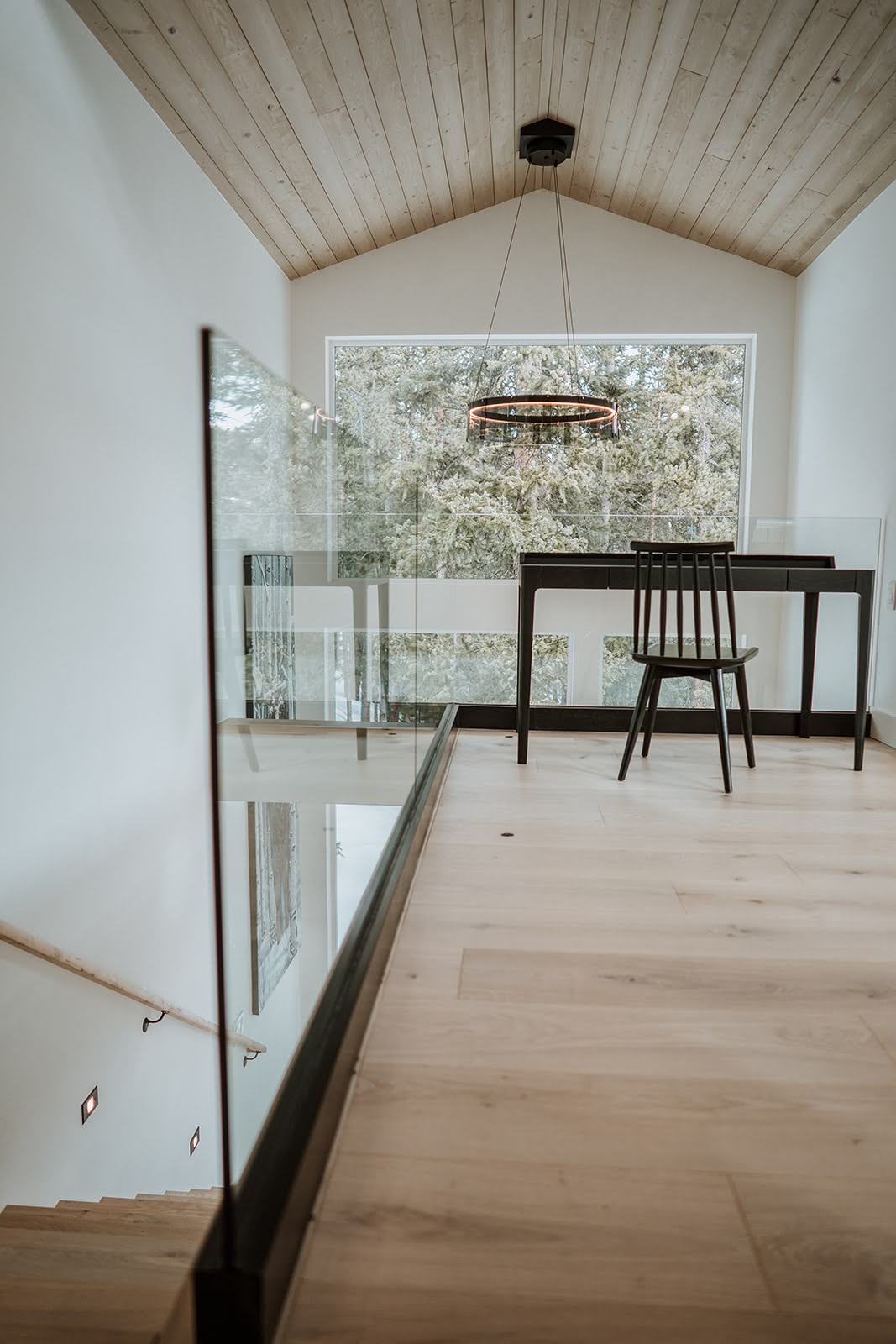
When it comes to hardwood floor maintenance, indoor humidity is far more important than temperature. You might feel perfectly comfortable whether your home is 68 or 74 degrees, but your floors are much more sensitive to the moisture levels in the air.
Hardwood performs best when the relative humidity in your home stays somewhere between 35 and 50 percent. At VANTIA, we follow NWFA (National Wood Flooring Association) guidelines as the industry standard for proper performance and installation. What matters even more than hitting that exact range is consistency. It’s the sudden swings in humidity, particularly periods of high humidity followed by very dry air, that put real stress on your floors, not the specific numbers. To maintain this consistency, keep the thermostat set to a consistent temperature year-round. This is especially critical in vacation homes: turning the heat way down while away and then pumping it way up upon arrival causes rapid expansion and contraction, which is damaging to all wood elements in the home, including doors, floors, and cabinets.
It’s also worth noting that premium engineered brands like Scheucher and Bjelin are designed to perform more reliably even in lower-humidity environments, offering greater dimensional stability and reducing the risk of excessive seasonal movement. That added engineering gives homeowners an extra layer of confidence in climates with dry winters or fluctuating conditions.
What Happens During Dry Winters and Colder Months
Winter is when you’ll probably start noticing changes in your floors. Your heating system keeps you warm, but it also pulls moisture out of the air. As humidity drops, your hardwood releases moisture and contracts, leading to telltale narrow gaps between boards or a surface that feels a bit drier to the touch. It’s tempting to spring into action when you see these gaps appearing. But filling them or applying heavy treatments during winter often backfires.
The single most effective thing you can do is manage the humidity in your home. A whole-home humidifier gives you the most consistent control, but even a few strategically placed room humidifiers can make a difference.
Protecting Hardwood Floors in Humid Summers and Warmer Months

Summer brings higher humidity, and with it, your wood floors expand. In most cases, this is actually a good thing as those winter gaps close back up. Problems only arise when humidity climbs too high or settles unevenly across your floors.
Your air conditioning system already helps remove moisture from the air. But if you live in a particularly humid climate or have floors on a lower level or basement, you may need to add a dehumidifier to keep things in check.
Hardwood Floor Maintenance Tips Year-Round
Hardwood floor care doesn’t need to shift dramatically from season to season, but your attention to certain details should. It’s the small yet regular maintenance practices that keep your wood flooring looking great for years.
- Sweep or vacuum daily to prevent grit from scratching your finish and to maintain clean floors.
- Use only slightly damp microfiber mops. Never soak the wood. Excess water is one of the biggest threats to hardwood, and steam mops can increase the risk of long-term water damage.
- Rotate your rugs and move furniture around occasionally. This helps manage sun exposure, which shifts throughout the year and can gradually change the colour of your wood.
- Place mats at all entryways and high-traffic zones to capture dirt and moisture before they reach your floors. It’s the simplest way to prevent localised damage and avoid costly repairs.
- Wipe up spills immediately because even a little moisture left standing can cause cupping or staining
- Use furniture pads under chairs and tables to avoid scratches and dents from everyday movement.
- Keep pet claws trimmed and nails soft in high-traffic areas.
Signs Your Hardwood Floors Need Professional Attention
One of the questions we hear most often is: “How do I know when to seek professional help for protecting hardwood floors?” It’s a fair concern, especially after you’ve invested in hardwood floors.
You can safely ignore those small gaps that show up in winter and disappear by summer, or the occasional creak when you walk across the room. These are all temporary responses to seasonal shifts.
But there are signs that do warrant a closer look and point to underlying issues like moisture imbalance or problems with how the floors were installed.
- Severe cupping that keeps getting worse when the edges of your boards rise higher than the centre to create a slightly concave surface
- Crowning is when the centre of the boards bulges higher than the edges, and it doesn’t improve even after humidity levels stabilise.
- Boards that seem to be pulling away from the subfloor
- A persistent musty smell that suggests trapped moisture or any visible mold growth
Fixing a humidity problem or improving airflow is relatively simple and affordable. But waiting until the damage is severe enough to require refinishing or replacement is a much larger bill. When in doubt, it’s always better to have a professional take a look sooner rather than later.
Protect Your Hardwood Investment with VANTIA Hardwoods
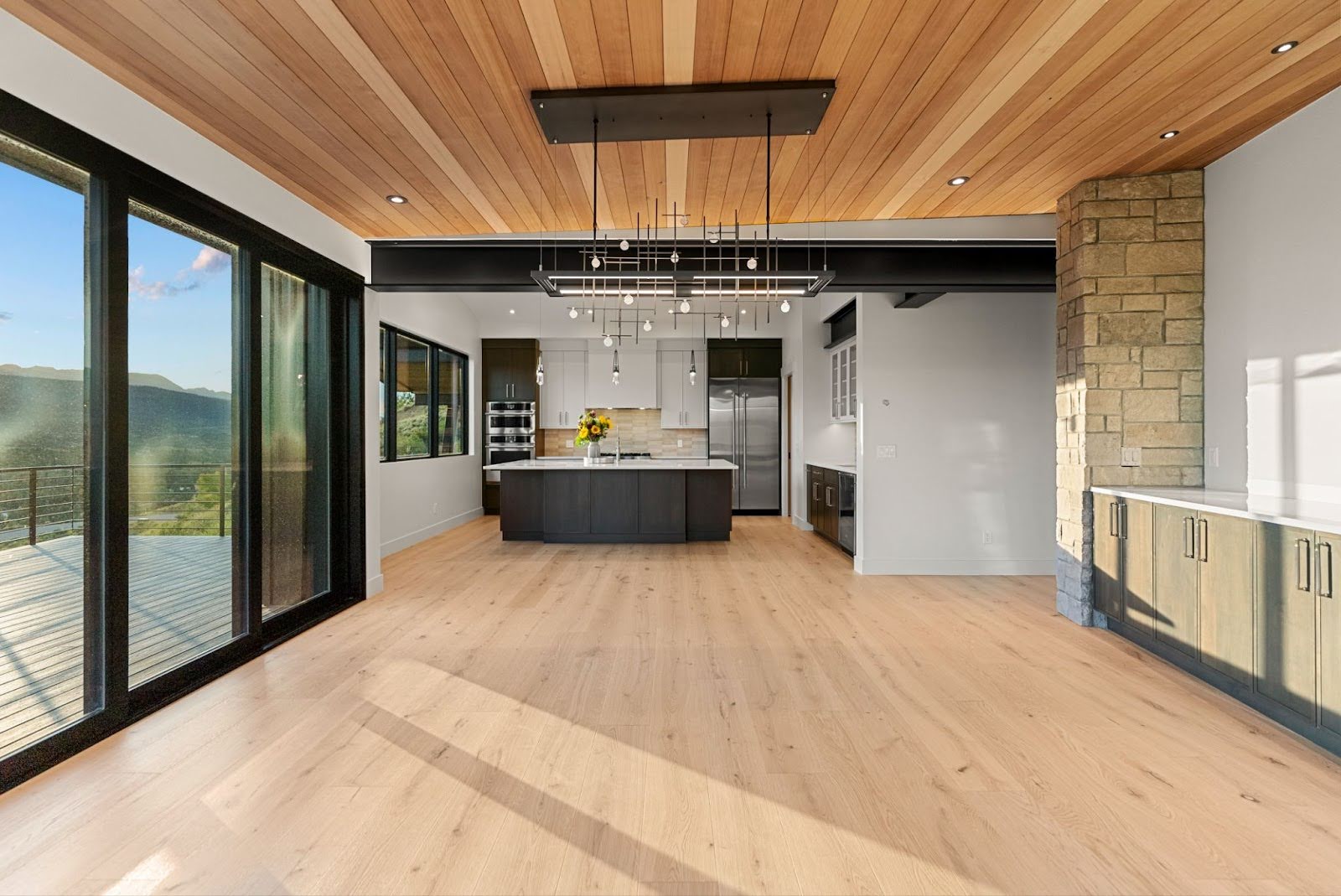
Quality hardwood flooring is a commitment that pays off over decades when you follow proper hardwood floor care. The floors that still look great years down the road belong to homeowners who understand that thoughtful decisions, from selecting the right wood species to ensuring proper installation, are just as valuable as the flooring itself, maybe even more so.
VANTIA Hardwoods is here to help whenever you’re ready to invest in hardwood that’s built to last and backed by guidance. Your floors should look as exquisite in ten years as they do on installation day, and we’ll help you protect that investment every step of the way.
Most Asked Queries About Hardwood Floor Maintenance
Does the type of hardwood affect how much it moves seasonally?
Different wood species react differently to moisture and indoor humidity levels. Some are more dimensionally stable than others due to grain structure and density. Board width and cut also play a role in how much natural expansion and contraction you’ll notice during changing seasons.
Is engineered hardwood affected by seasons as much as solid hardwood?
Engineered hardwood is designed to be more stable because of its layered construction, but it still responds to humidity changes. Although movement is reduced, proper indoor conditions are still important.
Can seasonal changes affect the finish of the hardwood apart from the wood itself?
They can. Low humidity can make finishes feel drier or less lustrous. High humidity may also affect how finishes cure or wear as time goes by.
Do pets and daily foot traffic affect seasonal hardwood movement?
Not directly, but they can amplify wear during certain seasons. Dry conditions combined with claws or heavy traffic can stress finishes more quickly.
How do open floor plans affect hardwood floor maintenance across seasons?
Large and open spaces can experience more noticeable movement because they expose floors to broader temperature and humidity variations. Proper installation, including correct expansion gaps and climate control are especially important in these layouts.