

It’s typical for homeowners to choose flooring based on how it looks and what it costs. Those are fair starting points. But there is another factor that can get overlooked, but is equally or more important: how your flooring affects the health of the people living in your home.
The material under your feet can influence your home’s indoor air quality, the amount of allergens circulating through your space, and whether your home is unknowingly releasing harmful chemicals. These are not minor concerns, especially for households with children, pets, or anyone managing allergies or asthma.
In this guide, we compare hardwood, ceramic tile, luxury vinyl plank (LVP), and carpet flooring across the health factors that matter most. By the end, you will have a clearer picture of which flooring solution supports a healthier home, and what to look for when making your decision.
Why Your Flooring Choice Matters for Your Health
Indoor Air Quality and Flooring Materials
Your floor covers more surface area than any other material in your home. That makes it one of the biggest contributors to what is in your indoor air.
Flooring materials, their finishes, and the adhesives used to install them can all affect the concentration of airborne particles and pollutants inside your space. Hard surfaces like wood flooring and ceramic tile do not hold onto debris the way soft materials do. Dust and particles settle on top and can be swept or mopped away during routine cleaning.
Allergies, Asthma, and Household Flooring
For anyone dealing with allergies or asthma, the type of flooring you choose has a real impact on daily comfort. Carpet flooring traps dust mites, pet dander, pollen, and mold spores deep in its fibers. Regular vacuuming helps, but it does not fully remove these allergens. They can be disturbed and re-enter the air simply by walking across the room.
Chemical Exposure and VOC Emissions
Volatile organic compounds, or VOCs, are gases released by certain building materials, finishes, and adhesives. Some flooring options, particularly certain laminate flooring products, luxury vinyl flooring, and synthetic underlayments, can release these toxic chemicals during and after installation.
Natural materials like solid hardwood, when finished with low-VOC or zero-VOC coatings, offer a non-toxic flooring alternative. For families focused on creating a cleaner indoor environment, this distinction matters.
Hardwood vs. Tile vs. LVP vs. Carpet: A Health Comparison
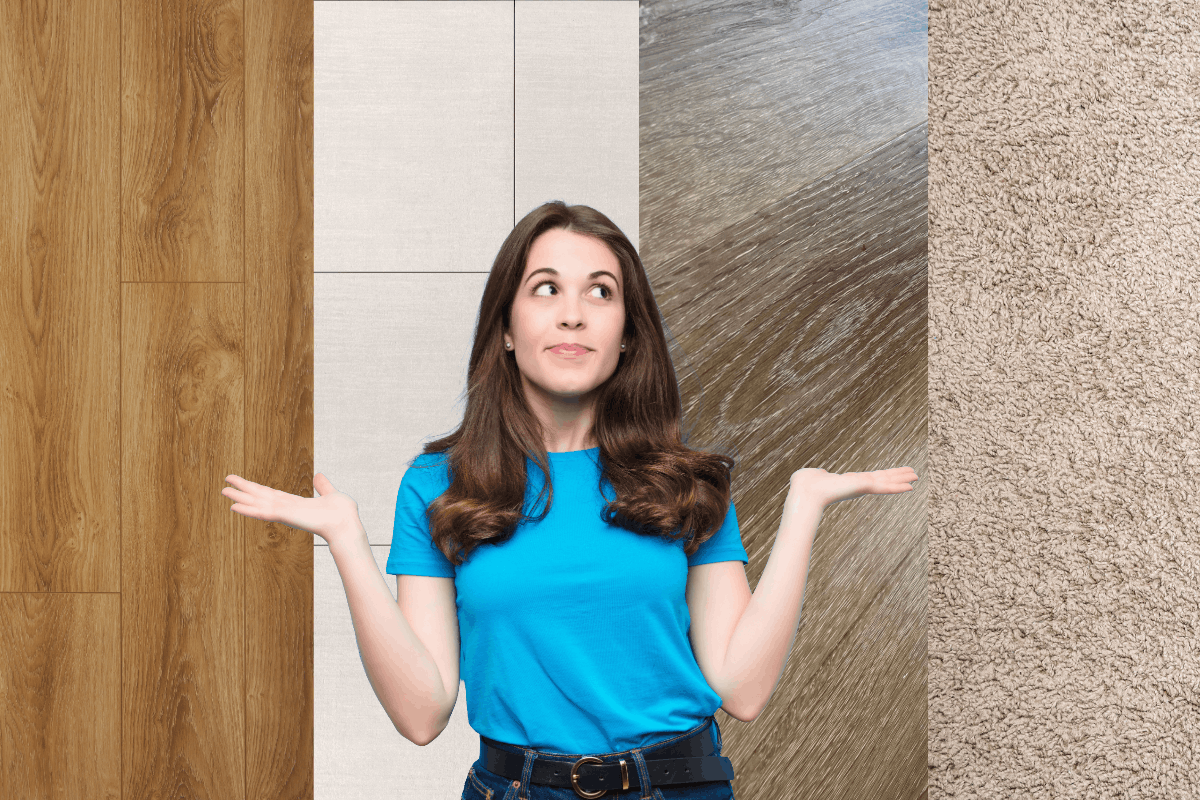
Understanding how each flooring option performs from a health standpoint requires looking at real trade-offs, not just marketing claims.
Hardwood Flooring
Most people choose hardwood flooring for the natural aesthetic in a wide range of colors, adding warmth and texture to any space. But there are considerations with any flooring choice that should be balanced.
Pros to Choosing Hardwoods:
- Hypoallergenic surface resists dust and allergen buildup
- Natural material with fewer chemical concerns than other choices when properly finished
- Long lifespan means fewer replacement cycles and less exposure to installation chemicals over time
- Low-VOC finish options are widely available from reputable manufacturers
- Helps improve the value of the home for resale purposes
Cons to Choosing Hardwood:
- Some hardwoods are more expensive than alternatives when purchasing quality materials and professional installation
- Requires professionally applied protective finishes to maintain long-term durability
- Homeowners should be sensitive to excessive moisture and ensure proper moisture resistance measures are in place
Tile Flooring
Tile flooring is a smart flooring solution where moisture resistance matters most, such as in bathrooms, laundry rooms, and kitchens. Its surface doesn’t absorb water, resists mold, and doesn’t trap allergens.
The biggest challenge with tile is the grout. Those thin lines between tiles collect bacteria and grime over time, and they need consistent deep cleaning to stay hygienic. Ceramic tile is also hard and cold underfoot, which is worth thinking about in rooms where you spend a lot of time standing.
Pros to Choosing Tile:
- Non-porous surface resists mold and moisture
- Does not trap unhealthy odors, dust, or fibers
- High-quality materials and professional installation can reduce the use of chemicals for a less toxic environment
- A practical flooring solution for wet areas like bathrooms and kitchens
Cons to Choosing Tile:
- Grout lines collect dirt, bacteria, and mold if not cleaned regularly
- Cold and hard underfoot, which can be uncomfortable in living areas
- Some installation adhesives and sealers may contain VOCs
Luxury Vinyl Plank (LVP)
LVP flooring is waterproof, durable, and easy to maintain, and mirroring the beauty of wood, it’s often marketed as a more affordable alternative to wood flooring. In terms of practicality, those claims hold up.
For the most eco-conscious homeowners, luxury vinyl flooring is a product made primarily from PVC or other synthetic materials. Some LVP flooring products, especially those of lower quality, can release toxic chemicals into the air after installation, which can linger for months. This doesn’t mean all luxury vinyl flooring is a problem, but it does mean you should look for third-party certified, low-emission products before you buy.
Check out Vantia Hardwoods Laminate and LVP Flooring Options
Pros to Choosing LVP:
- Wide range of colors and styles for versatile designing
- Easy to clean and water-resistant
- Highly durable in high-traffic areas
- Lower upfront cost compared to quality hardwoods
Cons to Choosing LVP:
- Made from synthetic materials that may contain plasticizers or other additives
- Some luxury vinyl flooring products may release chemicals during off-gassing after installation
- As this is not a natural material, long-term chemical stability depends on the specific product and the manufacturer’s standards.
Carpet Flooring
Carpet flooring is comfortable, warm, and absorbs sound well, and for bedrooms in households without allergy concerns, it works well for those reasons.
The challenge is the stuff that continually builds up inside it. Carpet flooring fibers hold onto dust, pollen, pet dander, and allergens in a way that regular vacuuming can’t fully fix. Add moisture, and you have the right conditions for mold and dust mites to develop, often without any visible signs. Compared to wood flooring or even laminate flooring, carpet flooring consistently ranks last for indoor air quality. If anyone in your home has allergies or asthma, it’s worth taking that seriously.
Pros to Choosing Carpet:
- Wide range of colors, styles, and textures.
- Versatile for interior designing, especially for bedrooms and cozy dens
- Comfortable and warm underfoot
- Absorbs sound, which can reduce noise levels in a home
Cons to Choosing Carpet:
- Traps dust, pollen, pet dander, and allergens deep in the fibers
- Requires professional deep cleaning to maintain a reasonably hygienic environment
- Even with regular vacuuming, some allergen retention is difficult to avoid
- One of the most challenging flooring options to keep clean for households with allergy or asthma sufferers
Why Hardwood Is Often the Healthiest Long-Term Choice

When you look at flooring across its entire lifespan, solid hardwood floors consistently hold up against other choices along the criteria of healthy options that matter the most.
Hardwood floors are naturally hypoallergenic, easy to maintain, and free from the synthetic chemical concerns tied to luxury vinyl flooring and certain laminate flooring products. With modern low-VOC finishes, they support rather than compromise your indoor air quality. And because a quality wood flooring installation can last the lifetime of a home, you avoid the repeated replacement cycles and the chemical exposure that comes with them.
For families navigating allergy sensitivities, households with young children, or anyone prioritizing a non-toxic flooring environment, hardwood represents one of the most sound long-term investments you can make in your home.
Choosing the Perfect Flooring for the Health-Conscious Home: What to Look for in Hardwoods
Not all hardwood products are the same. If health is an important consideration, there are a few factors worth paying attention to before making a final decision.
The finish applied to a hardwood floor can influence indoor air quality, so choosing low-VOC or zero-VOC finishes is important. It is also helpful to ensure that any adhesives used during installation meet similar standards.
Sustainably sourced wood, such as FSC-certified products, provides reassurance around how the material has been managed and produced. For engineered wood flooring, confirming that adhesives and finishes are formaldehyde-free can help reduce exposure to common indoor pollutants.
At VANTIA, flooring collections are selected with these considerations in mind. Brands such as Bjelin, mafi, and Scheucher are chosen for their approach to indoor air quality, responsible sourcing, and overall product transparency, helping simplify the decision process for homeowners.
FAQ:
Is hardwood flooring healthier than carpet?
Yes. A hardwood floor does not hold dust, pollen, and pet dander in the same way carpet flooring does, and it can be cleaned more thoroughly.
What is the healthiest type of flooring for a home?
For most living spaces, a solid hardwood floor with a low VOC finish is often considered one of the more balanced options. Tile is typically more suitable for wet areas.
Is luxury vinyl flooring safe for indoor air quality?
It depends on the product. Certified low-emission options are available, but it is important to review specifications carefully before making a decision.
Does carpet flooring affect indoor air quality?
Carpet flooring can hold dust and allergens within its fibers, which may affect indoor air conditions over time.
Is hardwood flooring good for people with allergies?
Yes. A hardwood floor does not trap common allergens, which makes it a practical option for those looking to maintain a cleaner indoor environment.