

Selecting hardwood flooring is one of the most defining decisions that you will ever make for your home. It affects how every room feels, how light reflects throughout the space, and how well your interiors hold up over time.
It’s also a choice many American homeowners continue to prioritize. A U.S.-based Floorcast report found that 61% of buyers consider wood flooring important when buying or remodeling, a clear sign that hardwood remains closely tied to comfort and long-term appeal, and exceptional durability.
With so many hardwood floor options widely available, knowing how to choose hardwood flooring confidently can feel overwhelming.
This hardwood flooring guide follows the same designer mindset, guiding you to make informed choices that feel more intentional than trend-driven and tailored to your specific needs.
How to Choose Hardwood Flooring Based on Your Space and Design Style
Have you ever thought why designers analyze the room first and not the floor?
Every space has a unique trait, shaped by natural light, scale, layout, and architectural style, that directly affects wood flooring types that feel aligned once installed.
A floor that appears like the perfect flooring in the showroom may feel less connected in a finished home if it doesn’t respond to its surroundings. This is why designers treat hardwood flooring as a foundational design element when planning interior design and layout.
Key Factors Designers Assess Before Choosing Hardwood Floors
Natural and artificial lighting
Lighting plays an important part in the perception of hardwood flooring options. Rooms with less natural light are open to a wide range of tones, while dark spaces benefit greatly from lighter, warmer floors that prevent the room from feeling cluttered.
Artificial lighting also matters; warm lighting can enrich wood tones, while cooler lighting can highlight undertones and textures.
Room size, ceiling height, and layout
Scale and proportion are other important factors for your flooring. Wide planks can visually anchor large, open rooms. However, modest plank widths complement smaller or traditionally proportioned spaces. Ceiling height matters too. Lighter floors can visually lift lower ceilings, while tall spaces can enhance richer hues.
Architectural style
Hardwood flooring works best when it reflects the home’s architectural language. In comparison, modern homes favor subtle grain patterns, minimal lines, and matte finishes. Transitional spaces benefit from versatile tones, whereas traditional homes can accommodate bolder character and classic finishes using different hardwood species.
How Hardwood Flooring Choices Visually Expand or Ground a Space
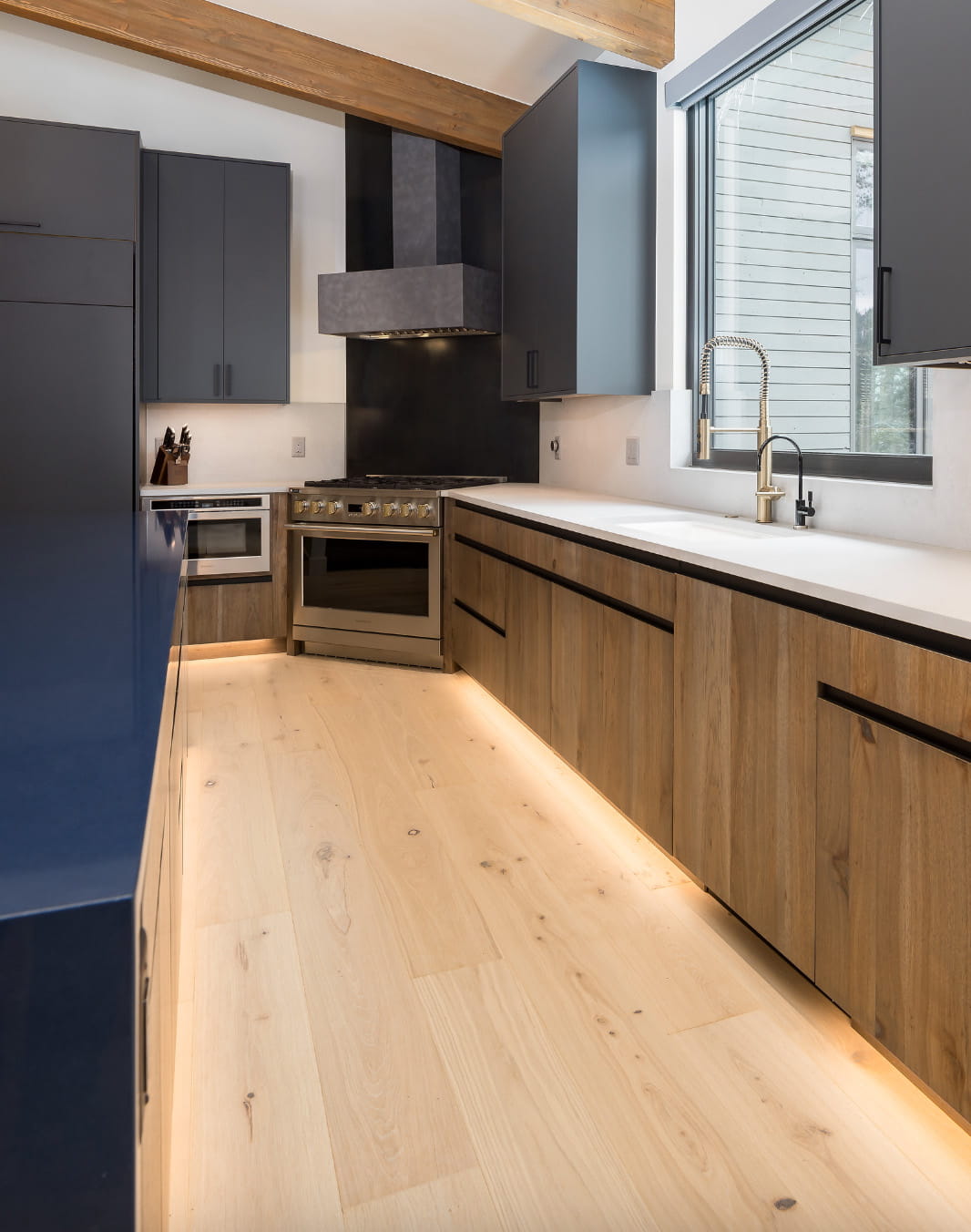
Hardwood flooring has a powerful influence on how someone perceives your room. Lighter tones can make the rooms feel more open and expansive, while medium to darker shades add warmth and precision to large rooms.
Even the plank direction plays a role. It influences how the eye moves through a space. When planned intentionally, these choices can help correct visual imbalance and make rooms feel more cohesive.
Common homeowner mistakes designers intentionally avoid
- Selecting hardwood floors based on trends or online inspiration. What looks appealing in a photo might not work in your home’s atmosphere or meet your specific needs.
- Prioritizing appearance over performance. Even the most beautiful hardwood can disappoint if it doesn’t suit your lifestyle, maintenance expectations, or daily foot traffic.
Hardwood Flooring Trends Designers Are Recommending Today
Trends in hardwood flooring are evolving, but smart designers focus on options that age nicely rather than being completely seasonal. Understanding current preferences can help you make choices that feel more modern today and stay timeless for years to come.
Designers favor premium hardwood flooring in natural tones with subtle grain and refined finishes for timeless appeal. Even in trendy spaces, performance matters; high-traffic or moisture-prone areas often benefit from engineered hardwood or carefully chosen wood flooring types to ensure durability and lasting beauty, while some homeowners explore laminate flooring in secondary spaces to balance style with cost and practicality.
Why designers focus on trends that last
Rather than chasing fleeting aesthetics, experienced designers rely on trends that stay relevant and flexible long after installation. Wider planks, neutral tones, matte finishes, and different hardwood floor styles are prime examples of choices that perfectly blend with an evolving home decor and support proper maintenance over time.
Choosing the Right Hardwood Flooring Species for Style and Durability
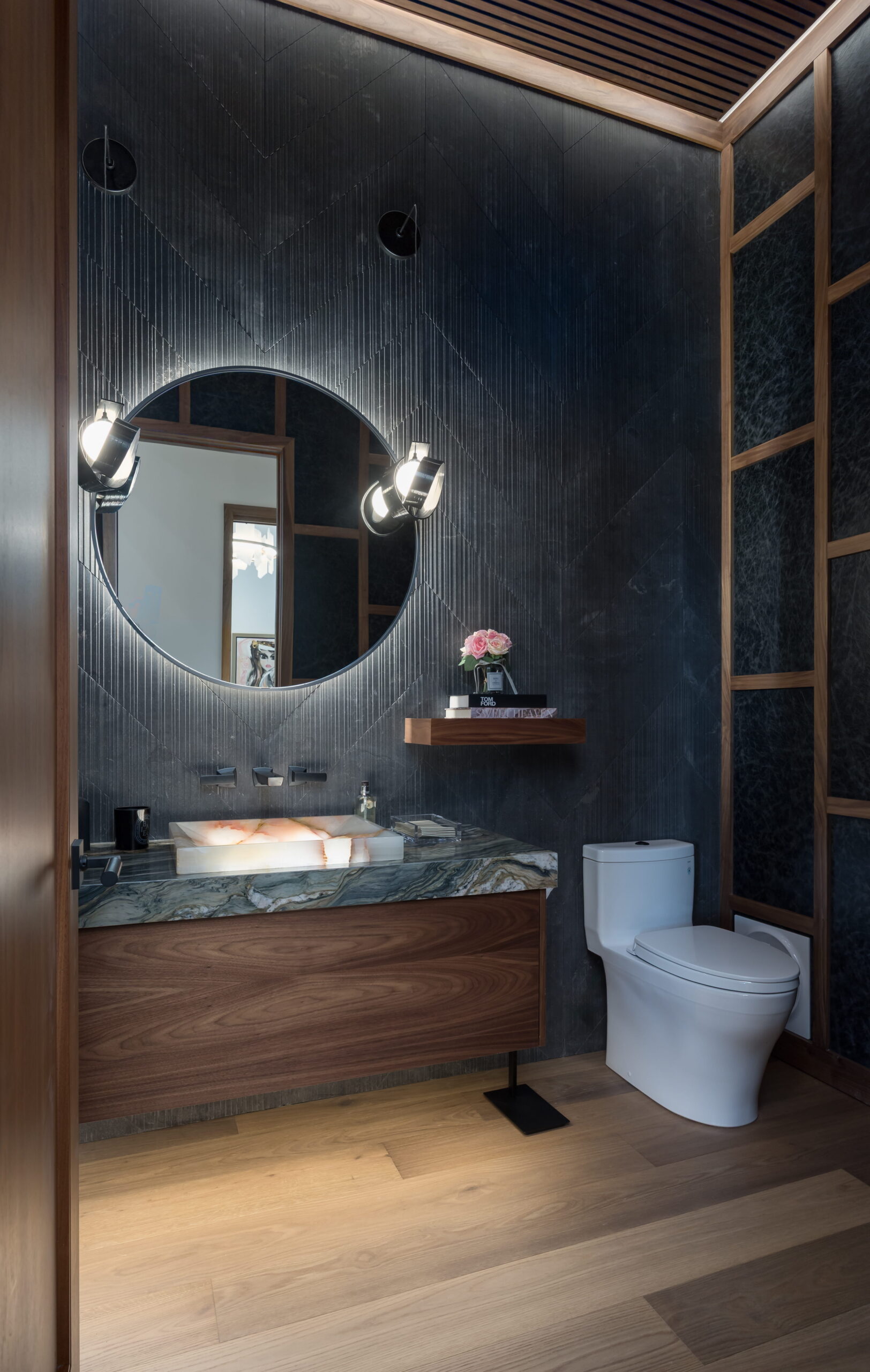
Selecting the right species is one of the important steps when choosing hardwood floors. Where each of them not only affects the overall look and feel of your space but also identifies performance, durability, and long-term satisfaction.
Designers consider both aesthetics and function to help homeowners select the best hardwood flooring suited for their lifestyle.
How wood species influence appearance and performance
Different wood flooring types give unique visual characteristics and structural qualities. Such differences help you to make an informed choice that balances style, comfort, and longevity.
- Oak: One of the most timeless and durable. Offering a wide variety of grades, widths, and colors makes it a perfect species to match any design and style, from modern to traditional, and also an excellent choice for high-traffic areas.
- Walnut: Walnut creates a very rich, deep appearance that adds elegance to living rooms, dining rooms, and any other room where you wish to display luxury or make a statement.
- Ash: Ash offers a light, clean appearance with subtle grain variation, making them ideal for contemporary or minimalist spaces that need brightness without losing natural character.
Balancing visual character with structural strength
Designers ideally balance how such species look along with how they perform:
- Consider foot traffic. Oak and maple can withstand heavy use, while walnut is better suited to moderate-traffic areas.
- Think about maintenance. Lighter species show scratches and dents differently from darker woods.
- Families with pets or kids often prefer engineered wood flooring for its stability and ease of upkeep.
Key designer insight: The right wood choice is about creating a floor that fits ideally with the way you live. Designers recommend combining species selection with plank width, finish, and texture to achieve the perfect balance of style, performance, and longevity.
Hardwood Floor Color, Finish & Texture: Turning Inspiration into Reality
Once you have gone through the hardwood floor options, the next step is to translate your vision into reality. Designers focus more on color, finish, and textures, which are just as important as the wood type because they affect how your space should feel, operate, and age over time.
Light vs. dark hardwood flooring
- Light hardwood floors: Perfect for creating airy, open spaces. They reflect natural light, making rooms appear larger and more inviting. Ideal for smaller rooms, low ceilings, or modern minimalist interiors.
- Dark hardwood floors: Adds warmth, sophistication, and visual grounding. Best suited for larger spaces, open layouts, or traditional homes. Designers often pair dark tones with lighter walls and furniture to prevent a heavy feel.
Matte, satin, and gloss finishes
Finishes influence the look and maintenance of your premium hardwood flooring:
- Matte finish: Subtle, natural appearance that hides scratches and daily wear. Great for busy households or high-traffic areas.
- Satin finish: Slight sheen, balanced between elegance and practicality. Works in most spaces, giving a soft reflective quality without being overly shiny.
- Gloss finish: High sheen, striking for formal or minimalistic interiors. Shows scratches more easily, so designers recommend it only for low-traffic areas.
Smooth vs. textured surfaces
Texture adds more depth and character that affects the overall maintenance:
- Smooth surfaces: Give a sleeker, more contemporary look. Easier to clean, but it should show minor scratches more often.
- Textured surfaces: Hand-scraped, wire-brushed, or distressed. Giving more depth hides the wear and tear and feels more rooted.
Turning inspiration into actionable decisions
Designers usually advise clients to:
- Bring in inspirational images, either taken from magazines or galleries, and compare them to the actual wood flooring types.
- Test samples in the room under various lighting conditions.
- Consider how furniture, rugs, and wall colors interact with your chosen hardwood floor options.
Performance Factors Designers Consider When Selecting Hardwood Flooring
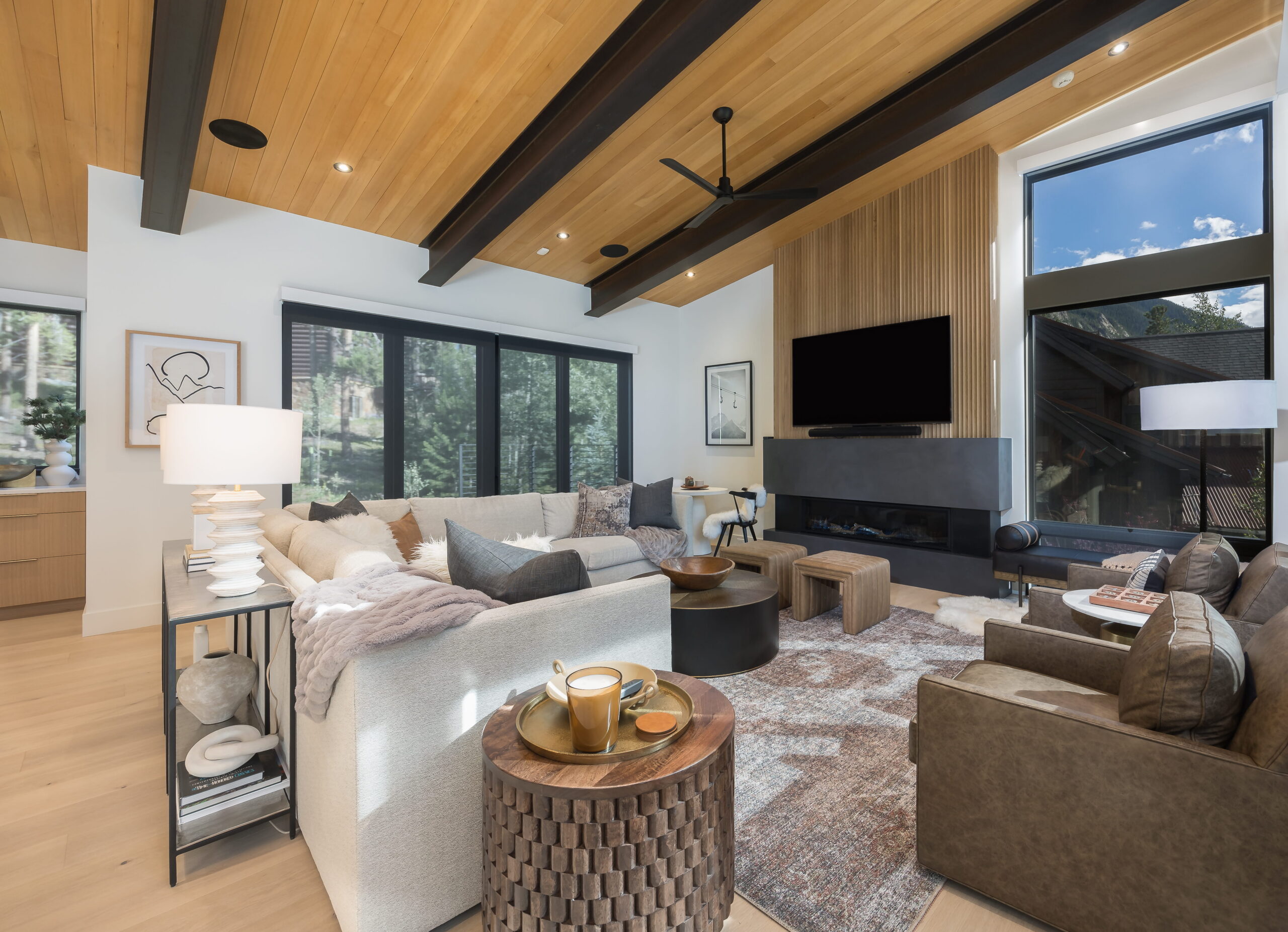
When looking for the best hardwood floors, performance is as important as the overall style itself. Designers ensure that hardwood floor options suit your lifestyle, ensuring the floors not only look well done, but also stand up to daily use.
- High-traffic areas or homes with children and pets require durable species and finishes that support low maintenance and long-term reliability.
- Solid hardwood offers traditional durability and the ability to refinish multiple times, while engineered wood provides better stability in rooms with fluctuating humidity or temperature, improving overall moisture resistance.
- Engineered wood flooring types are less prone to warping, cupping, or gaps, ensuring your floors remain smooth and stable over time.
Hardwood Flooring Longevity, Maintenance & Long-Term Value
Designers’ perception is about looking ahead, not hopping on the bandwagon. When choosing premium hardwood flooring, a well-chosen floor can last for generations, especially when paired with the best materials and professional installation.
- Refinishing potential and lifecycle value – Both solid and engineered hardwood flooring can be refinished, depending on the wear layer, helping restore their appearance and extend their usable life over time.
- Maintenance expectations – Busy households may benefit from matte finishes and textured surfaces that hide wear, while quieter spaces can accommodate glossier, smoother floors.
- Quality materials and installation – Properly dried, milled, and installed hardwood ensures long-term stability, reducing gaps, warping, or premature wear.
The Designer’s Framework: Bringing Aesthetics, Performance & Longevity Together
Designers’ framework behind bringing this aesthetic altogether, they use a simple checklist to tick the boxes of styling, functionality, and durability when choosing hardwood floors:
- Does it complement the space visually?
- Will it perform for daily use?
- Will it age beautifully over time?
It is advisable to seek professional guidance when designing complex floor layouts or selecting high-end hardwood flooring for areas with heavy foot traffic or for long-term use. Designers at VANTIA help homeowners turn their needs and wants into flooring options that blend beauty, quality, and durability.
Explore completed projects in the Portfolio or gather inspiration from our Design Gallery.
FAQ
How do I choose the right hardwood flooring for my home?
Think about your space, style, foot traffic, and maintenance needs, and then pick a species and finish that would balance all three, with guidance from the design experts at VANTIA.
Which hardwood flooring lasts the longest?
Oak and maple can last a long time, especially if they are accompanied by good finishing and are installed properly.
Is engineered hardwood better than solid hardwood flooring?
Engineered wood is more stable in areas where there is a lot of moisture, but solid hardwood flooring can be refinished more times.
What hardwood floor finish hides scratches and wears best?
Matte or textured finishes are better at disguising scratches and day-to-day wear compared to high-gloss surfaces.
What color hardwood flooring is timeless and won’t go out of style?
Colors of wood that are natural look classic and can be matched with any interior trend.