

When you’re designing or updating a home, you want materials that look beautiful today and stay strong for decades. That’s why many homeowners, designers, architects, and builders continue choosing durable hardwood floors. Good hardwood lasts far longer than tile, laminate, or vinyl, and it carries a warm, natural character that never feels outdated. If you select the right wood species, construction type, finish, and thickness, your wood floors can stay in great shape for 50 years or more, and you can refinish them multiple times to preserve their original beauty and timeless appeal.
Before diving into the details, it’s important to understand what truly determines whether a hardwood floor will last for decades. From how species hardness impacts durability to which finishes provide lasting protection, and thickness, and everyday care habits, each factor plays a role in long-term performance. You’ll also gain clarity on solid versus engineered hardwood—specifically how each compares when it comes to durability and longevity.
Hardwood Floors as a Lifetime Investment
Hardwood flooring has long been recognized for its exceptional durability. Unlike laminate flooring that chips, vinyl that dents, or tile that cracks, hardwood offers strength that improves with age. Once the floor complements your home’s look, it gains a natural charm that feels warmer. By choosing the right set of hardwood flooring options, including the structure, design, and type, you will have flooring that stays with you forever.
Hardwood floors can be refinished as they show signs of wear, allowing them to withstand years of foot traffic while maintaining their beauty. Because refinishing solid hardwood isn’t a long or costly process, homeowners often view it as a long-term investment rather than a short-lived design choice. If you value long-term usability, this guide will help you understand how long hardwood flooring can last, how it supports your lifestyle, and how it aligns with your design goals.
Choosing Wood Species Based on Durability
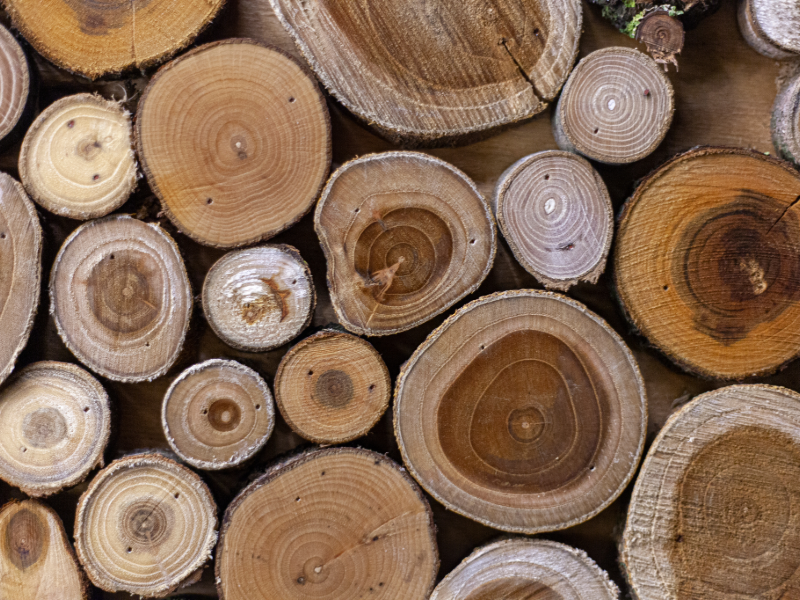
Different species of hardwood function in various ways. Some woods are great for active households as they focus on providing resistance to wear and tear, while others simply make your home look beautiful. Hardness alone doesn’t define a floor’s long-term performance—several other factors play an equally important role in how your flooring holds up over time. Your lifestyle, traffic level, and overall preferences are just as important when selecting a wood flooring option for long-lasting durability.
White Oak
White Oak remains one of the strongest and most reliable choices for durable hardwood floors. Its balanced grain pattern helps hide everyday wear, making it ideal for active homes with wood floors. Whether you have pets, kids, or heavy foot traffic, White Oak stands strong without losing its visual appeal. Its modern, clean look also works across nearly any design style, from warm traditional homes to contemporary spaces.
Ash
If you want durability with a lighter, airy appearance, Ash is a smart flooring option. Its shock absorption makes it great for households with kids constantly running around, especially in high-traffic areas. Ash brightens interiors naturally, giving rooms an open and inviting feel. If you prefer a casual, modern space without compromising strength, Ash fits well.
Maple
Maple features a smooth, clean surface with minimal grain, making it a go-to choice for modern and minimalist interiors. Its uniform appearance delivers strong durability, though it may show wear in high-traffic areas. For homes with average foot traffic that favor a sleek, uncluttered aesthetic, Maple performs beautifully over time.
Walnut
Walnut brings richness and warmth through its deep brown tones and luxurious character. It’s slightly softer than species like Oak or Hickory, but many homeowners choose it for its luxurious, timeless appearance. Walnut works especially well in formal living rooms or lower-traffic spaces, where its natural elegance can shine without heavy wear, making it an ideal premium hardwood choice for spaces focused on style over heavy use.
Choosing Based on Lifestyle, Not Just Hardness
Choosing a hardwood species shouldn’t be based on hardness alone—it should reflect how your home functions and is lived in day to day.
- If you expect heavy activity, constant movement, or pets, White Oak or Hickory will hold up best as durable hardwood floors for high-traffic areas.
- If you want warmth, sophistication, and a softer tone, Walnut provides lasting beauty.
- If bright, clean spaces matter, Ash or Maple delivers the right style with excellent durability and easy maintenance.
When you choose a species that matches how you live, the floor naturally lasts longer and retains its original beauty.
Best Hardwood Floor Finishes for Long-Term Protection
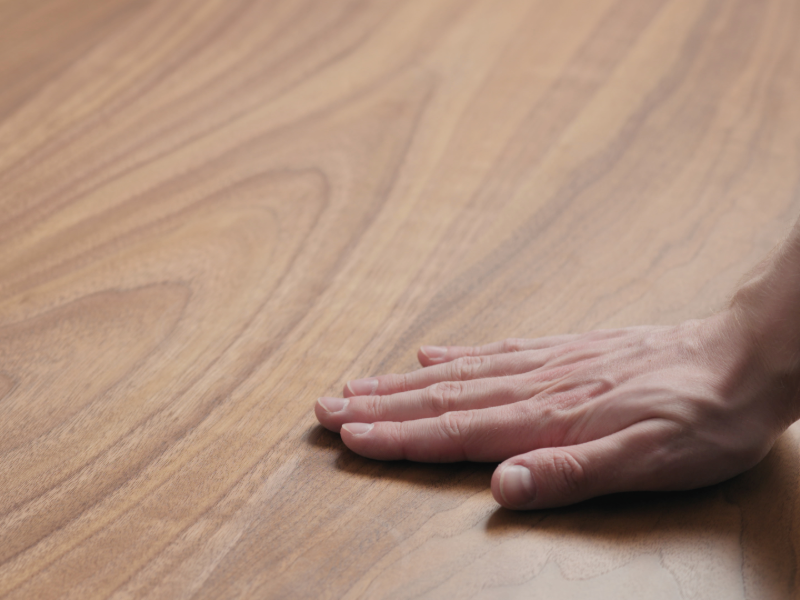
Your hardwood finish acts as a protective shield. It determines how well the surface resists scratches, moisture, and everyday wear and tear. Choosing the right finish plays a huge role in the long-term durability of your flooring.
Aluminum Oxide / UV-Cured Finishes
For the highest level of surface protection and long-term durability, aluminum oxide and UV-cured finishes are top-tier options. Applied at the factory, these finishes are highly resistant to scratches and wear, making them ideal for busy households. They help hardwood floors retain their appearance for years with minimal upkeep.
Oil-Rubbed and Natural Finishes
Oil-rubbed finishes highlight the unique grain patterns and give the floor a soft, natural feel. They develop a rich patina over time, which many homeowners love. While they require a bit more maintenance, the ability to spot-repair scratches makes them appealing for people who prefer organic interiors.
Matte and Satin Sheens
Matte and satin finishes are popular for their ability to hide surface marks. Glossy floors may look striking, but they show every small imperfection. A matte or satin finish keeps your hardwood looking smoother for longer and offers a modern, understated look with excellent scratch resistance.
How Plank Width and Wear Layer Thickness Affect Floor Lifespan
Durability isn’t only about species or finish. The plank structure matters too, especially when you want long-term performance.
Plank Width
Wide planks are known for their luxurious appearance. They create a clean, seamless look that feels high-end in any room. However, wide planks need proper acclimation and installation to ensure they stay stable. When installed correctly, they offer both beauty and durability.
Wear Layer Thickness (for Engineered Hardwood)
When selecting engineered hardwood, wear layer thickness is a key consideration. The wear layer is the real hardwood surface bonded to the engineered core, and it plays a major role in durability and longevity.
- A thicker wear layer allows multiple refinishing sessions.
- For strong longevity, a minimum of 3mm is recommended.
- Higher-end engineered products offer wear layers that can last as long as solid hardwood.
Board Thickness
Thicker boards provide better stability. They resist movement caused by humidity changes and perform well in moisture-prone areas with proper care. If you want flooring that stays flat and strong for decades, choosing thicker boards made from high-quality materials adds long-term value.
Solid vs. Engineered Hardwood: Which One Lasts Longer?
Many homeowners compare solid vs. engineered hardwood for durability, and the reality is that both can last for decades when selected and installed correctly.
Solid Hardwood
Solid hardwood is made from a single piece of wood. It’s known for long-term durability because it can be refinished many times. This makes it a great choice for living rooms, bedrooms, hallways, and other main-floor areas. The only drawback is sensitivity to humidity. Solid wood naturally expands and contracts with changes in humidity, making it less suitable for basements or areas prone to moisture.
Engineered Hardwood
Engineered hardwood consists of a real hardwood surface layered over a plywood core, creating a construction that’s far more stable with changes in humidity. This makes it suitable for basements, condos, kitchens, and even over radiant heating systems. Its durability is largely determined by the wear layer thickness—the thicker the layer, the more refinishing options and the longer the floor can last.
Which Should You Choose?
Both solid and engineered hardwood can last for decades. The right choice depends on your home’s conditions and the installation location. Solid hardwood excels in stable, climate-controlled spaces, while engineered hardwood is better suited for areas with moisture fluctuations. Compared to laminate or luxury vinyl plank, both options remain a premium choice, offering unmatched natural beauty and long-term value.
Simple Maintenance Habits to Make Floors Last a Lifetime
The strongest hardwood still needs basic care. Simple habits go a long way in protecting the surface and ensuring your wood floors stay beautiful for decades.
- Vacuum regularly to keep grit from scratching the finish.
- Use felt pads under furniture legs.
- Clean spills promptly to protect the surface.
- Maintain indoor humidity between 35–55%.
- Recoat or refinish before deep wear sets in.
These small steps help prevent long-term damage and keep your hardwood looking its best.
Invest in Hardwood Floors That Truly Last a Lifetime
If you want hardwood that stays stable and beautiful for many years, quality matters. At VANTIA Hardwoods & Interiors, every detail, from ethical sourcing and grain selection to milling precision, is handled with care. When premium materials meet expert finishing, the result is hardwood floors built to last. Professionally installed and properly maintained, your floors become a durable, enduring feature of your home.
FAQ
How long do hardwood floors last, and what affects their lifespan?
High-quality hardwood can last 50+ years with proper care. Species hardness, wear layer thickness, finish type, foot traffic, and maintenance all play key roles.
Which is more durable: solid hardwood or engineered hardwood?
Both offer long-term durability. Solid hardwood provides more refinishing opportunities, while engineered hardwood offers better stability in humid environments.
What are the best hardwood species for long-lasting flooring?
White Oak, Ash, Hickory, and Maple are top choices for solid wood floors. Walnut is durable but best for spaces with lighter foot traffic.
Which hardwood floor finish is most resistant to scratches and wear?
Aluminum oxide and UV-cured finishes are considered the most durable hardwood floor finish, offering excellent scratch resistance for wood floors in busy homes.
How do I maintain hardwood floors so they last for decades?
Vacuum regularly, clean spills quickly, use protective pads, maintain proper humidity, and recoat before deep wear appears to preserve the original beauty.