

Hardwood flooring continues to be one of the most influential design decisions in a space. While furnishings and finishes can evolve, a wood floor sets the foundation — visually and practically — for years to come. As we reflect on the color trends that shaped hardwood flooring in 2025 and look ahead to what’s emerging in 2026, one thing is clear: the industry is moving toward warmer, more natural expressions of wood that feel both current and enduring.
Rather than dramatic shifts year over year, today’s flooring trends are more about refinement. Homeowners and designers are prioritizing longevity, material honesty, and finishes that age gracefully. Understanding where the industry has been — and where it’s going — can help guide flooring decisions that feel intentional rather than trend-driven.
The Defining Hardwood Color Trends of 2025
In 2025, hardwood flooring color trends leaned decisively into warmth and natural balance. After years of cooler grays and high-contrast looks dominating the market, there was a noticeable return to tones that feel grounded, familiar, and versatile.
Warm neutrals became the preferred choice for many homes. Natural oak tones, soft browns, and honey-inspired hues offered a welcoming aesthetic that complemented both modern and traditional interiors. These colors provided flexibility, allowing homeowners to layer in texture, color, and materials without the floor overpowering the space.
Medium-toned hardwoods were particularly popular in 2025. They strike a balance between light and dark, offering depth without heaviness. These tones work well in open-concept layouts, creating continuity from room to room while still offering visual interest.
At the same time, deeper wood tones began to regain attention. Rich browns, walnuts, and darker finishes were selected intentionally to create contrast in otherwise light, minimalist spaces. Rather than feeling dated, these darker colors were used thoughtfully, often paired with matte finishes and subtle texture to keep them feeling modern.
Another defining characteristic of 2025 was a shift away from uniformity. Floors with natural variation — visible grain, tonal movement, and character — were favored over flat, highly consistent finishes. This movement reflects a broader appreciation for materials that feel authentic and expressive, rather than overly manufactured.
Finish and Texture Played a Larger Role Than Color Alone
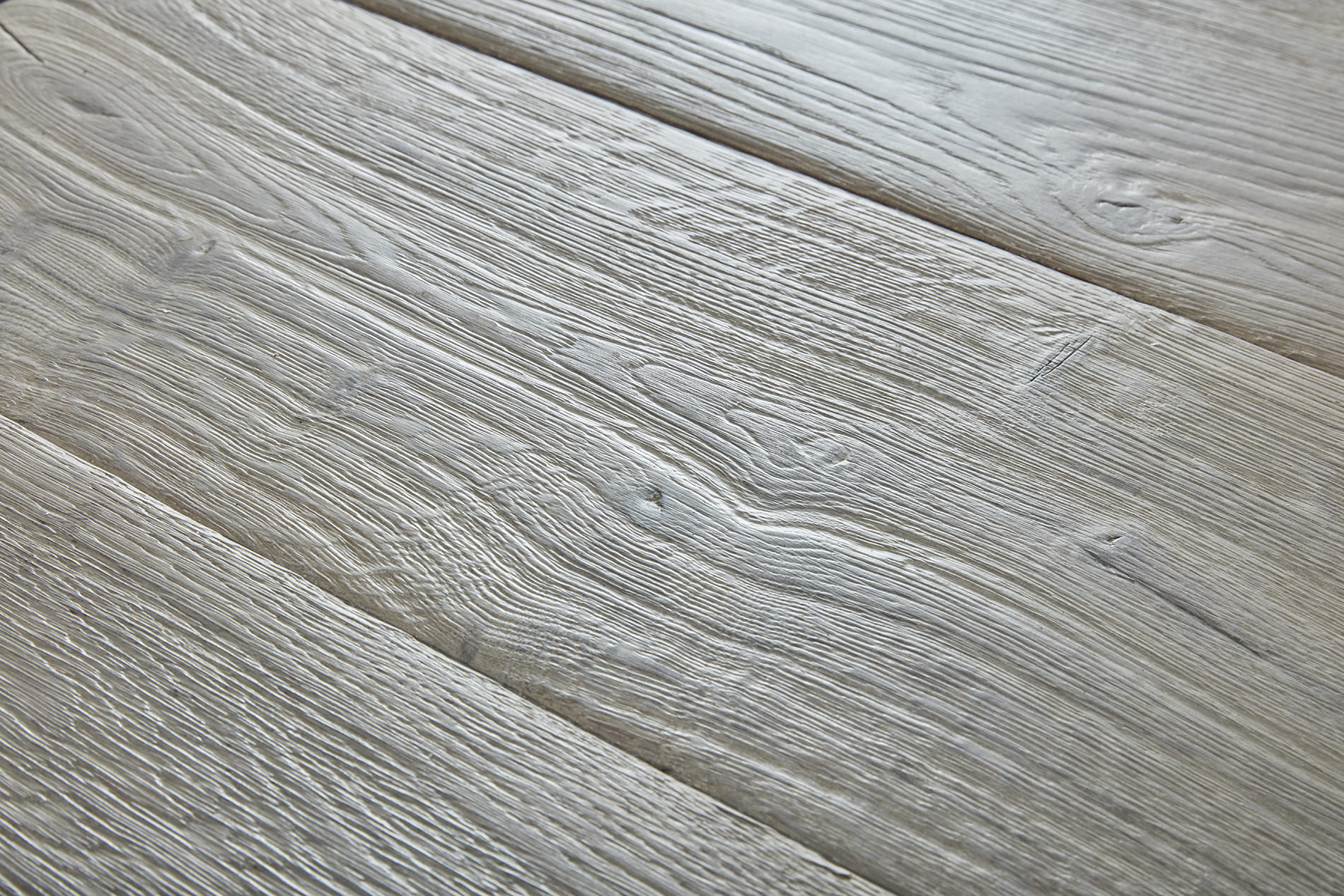
While color was an important consideration in 2025, finish and texture played an equally significant role in defining hardwood trends. Matte and low-sheen finishes continued to replace high-gloss options, offering a softer, more organic look.
Textured surfaces, such as wire-brushed or lightly distressed finishes, helped highlight the wood’s natural grain while also offering practical benefits. These finishes are better at concealing everyday wear, making them well-suited for active households and high-traffic spaces.
This emphasis on texture reinforced a growing desire for floors that feel lived-in rather than pristine — a quality that allows hardwood to age gracefully over time.
What Hardwood Color Trends Are Moving Into 2026
As we move into 2026, many of the color trends established in 2025 are evolving rather than disappearing. The focus remains on warmth, balance, and authenticity, but with a deeper appreciation for depth and cohesion within the overall interior.
Warm wood tones are expected to remain dominant. However, 2026 is bringing a more nuanced approach to warmth. Instead of overly golden or red-leaning finishes, balanced warm neutrals are taking center stage. These tones sit comfortably between light and dark, offering a sense of calm and sophistication.
Designers are also embracing floors with more visible character. Pronounced grain patterns, subtle color variation, and natural imperfections are being celebrated as part of the wood’s story. This aligns with a broader shift toward interiors that feel layered and intentional rather than overly polished.
Another emerging concept for 2026 is the idea of visual continuity. Hardwood floors are increasingly being selected to complement wood elements elsewhere in the home — from cabinetry and millwork to ceiling details and wall paneling. In this context, flooring color is chosen not as a standalone feature, but as part of a cohesive material palette.
How VANTIA’s In-Stock Collections Reflect These Trends

At VANTIA, our in-stock hardwood flooring collections align naturally with these evolving preferences. Each collection offers a thoughtful balance of color, texture, and performance — allowing homeowners and designers to select floors that feel current while remaining timeless.
Peak Collection
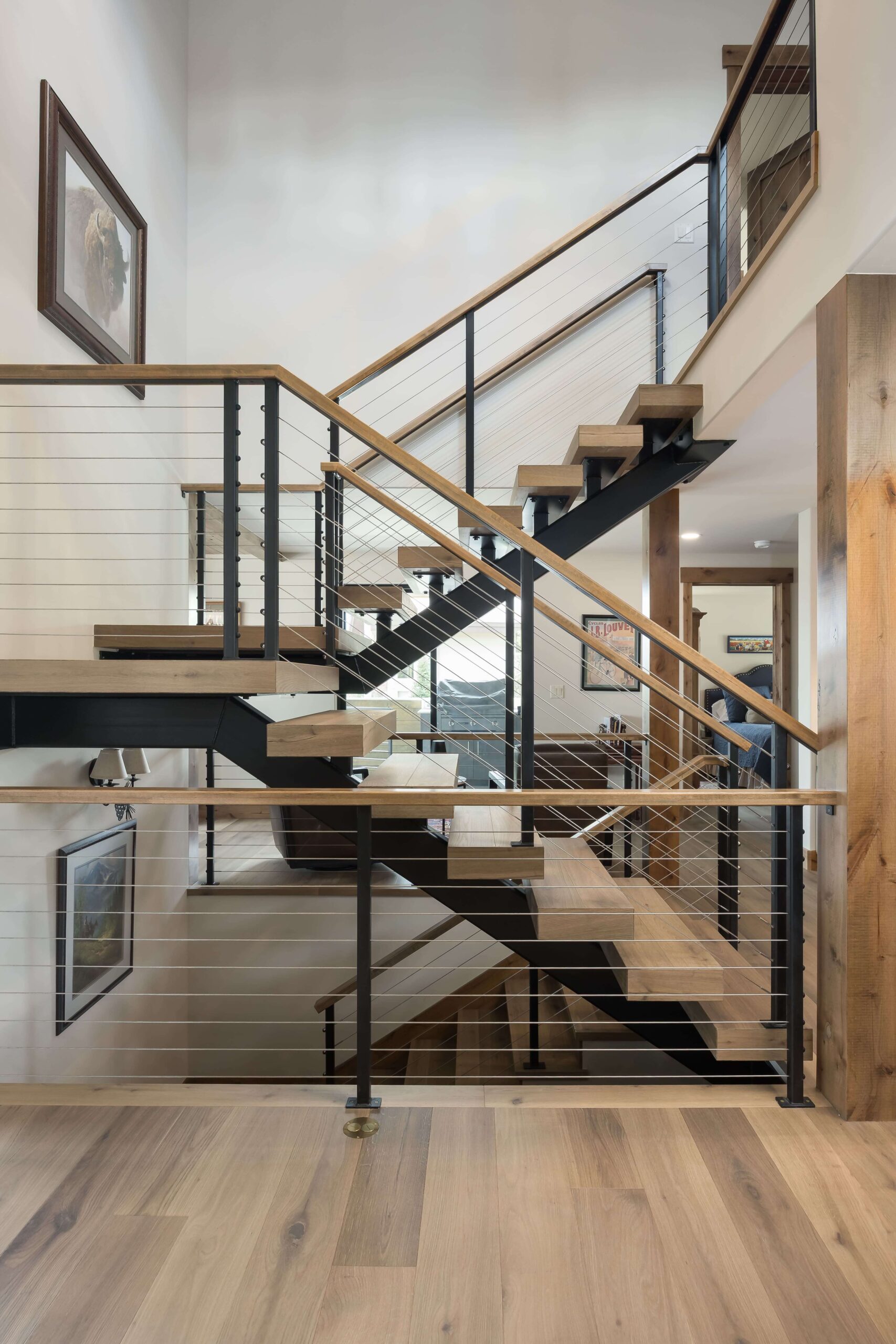
The Peak Collection reflects the growing demand for warmth, depth, and texture. Featuring rich, nuanced tones and wire-brushed finishes, this collection highlights the natural grain and character of European oak. The color palette aligns closely with both the warm neutrals seen throughout 2025 and the deeper, more grounded tones gaining momentum in 2026.
Peak is well-suited for spaces where the floor is meant to anchor the design — whether that’s a cozy living area, a dramatic dining room, or a home that blends modern and rustic influences. The collection’s textured surfaces also support long-term durability and everyday livability.
Classic Collection
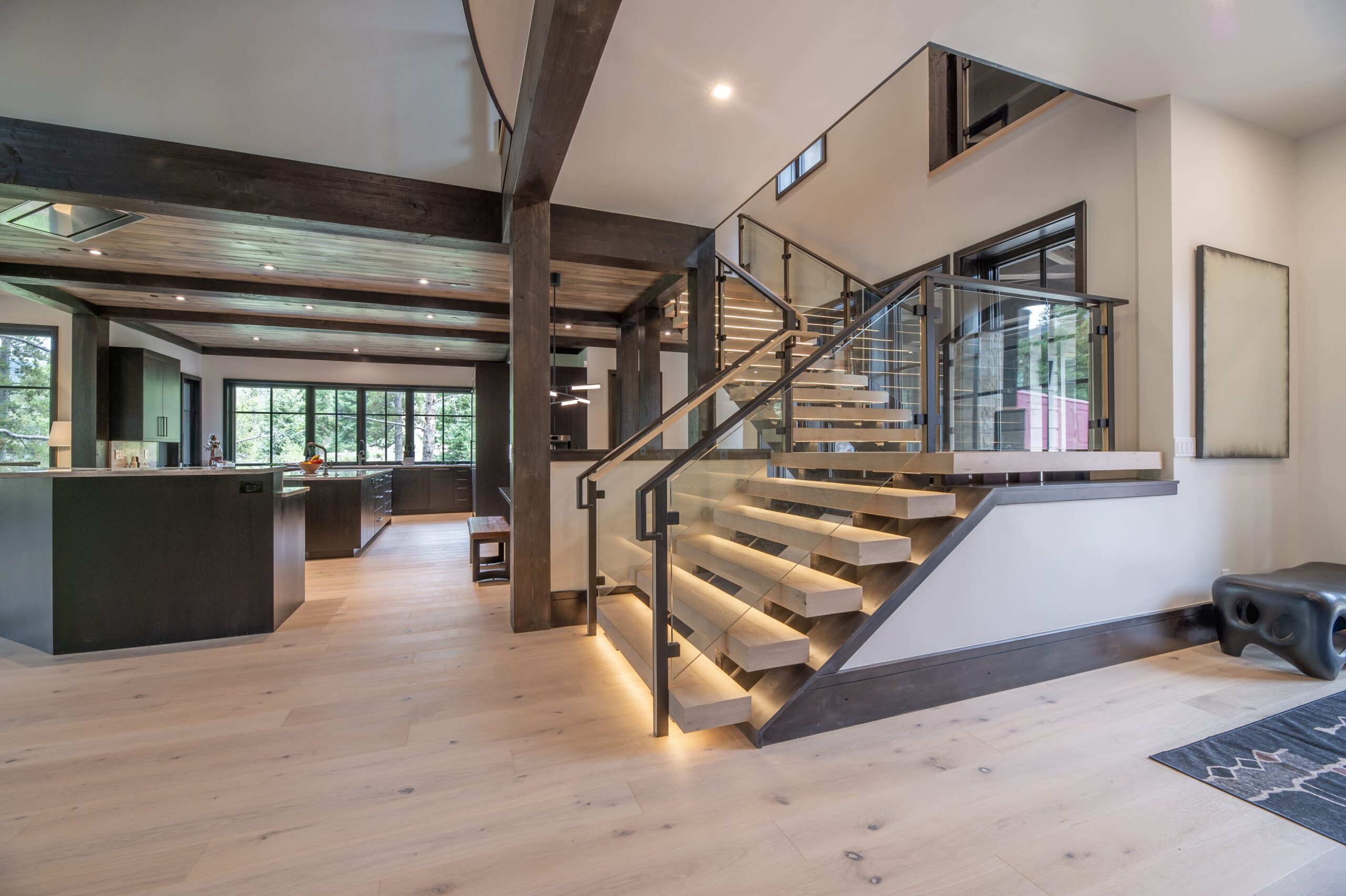
The Classic Collection offers a versatile range of light to medium tones that continue to resonate across design styles. These colors reflect the enduring appeal of natural wood and provide a neutral foundation that adapts as interiors evolve.
In the context of 2026 trends, the Classic Collection’s balanced warmth and understated elegance make it an ideal choice for homeowners seeking longevity. These floors pair seamlessly with both contemporary and traditional interiors, allowing furnishings, finishes, and architecture to take center stage.
Classic is especially well-suited for open-concept homes, where continuity and cohesion are essential.
Explore the Classic Collection
Bjelin Floors
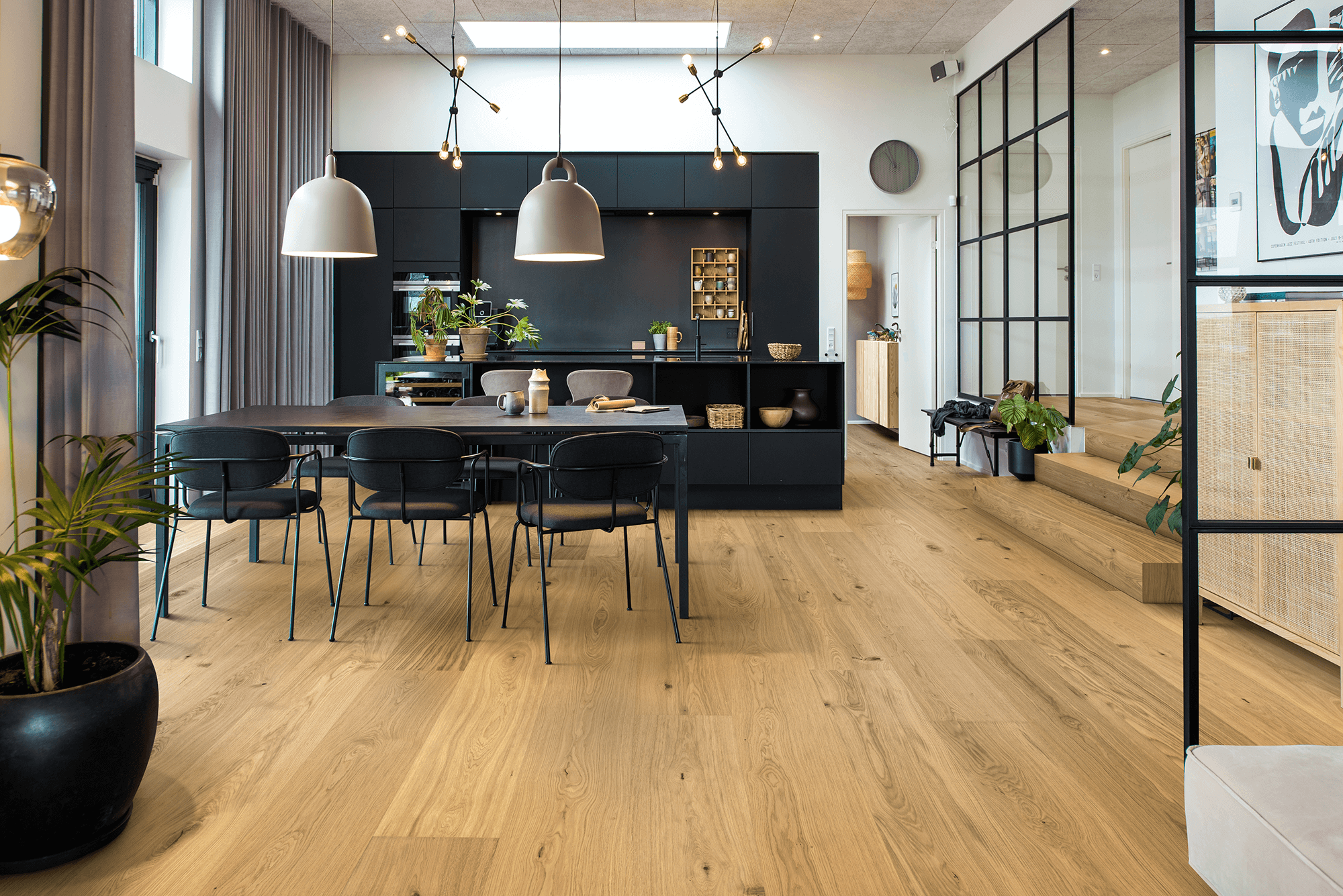
Bjelin flooring represents a forward-thinking approach to hardwood design. Rooted in Scandinavian principles, Bjelin floors emphasize natural color palettes, visible grain, and thoughtful engineering. The collection spans light, airy tones as well as richer, more expressive finishes that align with emerging 2026 preferences.
Beyond aesthetics, Bjelin’s advanced 5G waterproof construction offers enhanced durability — making it a strong choice for modern homes where performance is just as important as appearance. The balance of design and innovation makes Bjelin particularly relevant as homeowners seek flooring that supports both lifestyle and longevity.
Choosing a Hardwood Floor That Goes Beyond Trends
While trends offer valuable insight, the most successful hardwood flooring choices are those that feel intentional and enduring. Warm, natural colors and textured finishes continue to prove their staying power because they complement a wide range of spaces and design styles.
As we look ahead to 2026, the emphasis remains on floors that feel authentic, balanced, and thoughtfully selected. Hardwood flooring is not just a surface — it’s a long-term investment that shapes how a space is experienced every day.
By choosing from collections like Peak, Classic, and Bjelin, homeowners can select flooring that reflects today’s design sensibilities while remaining relevant for years to come.
FAQs
Are warm wood tones going out of style?
No. Warm wood tones have moved beyond being a trend and are now considered a timeless choice. In both 2025 and looking ahead to 2026, balanced warm neutrals continue to be favored for their versatility and ability to work across a wide range of interior styles. Rather than appearing dated, warm tones create inviting spaces and age more gracefully than overly cool or trendy finishes.
Is light or dark hardwood better for resale value?
Both light and dark hardwood floors can perform well for resale when chosen thoughtfully. Light to medium tones tend to appeal to a broader audience because they make spaces feel open and adaptable. Darker floors can also be highly desirable when paired with the right interior palette and finish. The key is selecting a color with balance and longevity rather than one that feels overly specific or trend-driven.
What hardwood floor colors are easiest to maintain?
Medium-toned floors with natural variation are often the easiest to maintain. Extremely light floors can show dirt more easily, while very dark floors may highlight dust and scratches. Matte or low-sheen finishes, especially those with texture, tend to conceal everyday wear better than high-gloss options.
Will gray hardwood floors still be popular in 2026?
Cool gray tones have largely peaked in popularity. While they are not “wrong,” design preferences are shifting toward warmer, more natural hues. In 2026, homeowners and designers are favoring wood tones that feel organic and adaptable rather than cool or overly stylized.
How do I choose a hardwood color that won’t feel dated?
The best way to avoid a dated look is to focus on natural wood tones with subtle variation and texture. Floors that highlight the grain and character of the wood tend to remain relevant longer than highly uniform or artificially tinted finishes. Choosing a color that complements your architecture and lifestyle is often more important than following a specific trend.
Are textured finishes just a trend, or are they here to stay?
Textured finishes have proven to be more than a passing trend. Wire-brushed and matte finishes are valued not only for their appearance but also for their practicality. These finishes help mask wear over time and enhance the natural beauty of the wood, making them a long-term favorite for both residential and commercial spaces.
Should I match my hardwood floors to my cabinets or furniture?
Hardwood floors do not need to match cabinetry or furniture exactly. In fact, slight contrast often creates a more layered and intentional look. In 2026, designers are focusing on cohesion rather than matching—selecting wood tones that complement each other while allowing each element to stand on its own.