
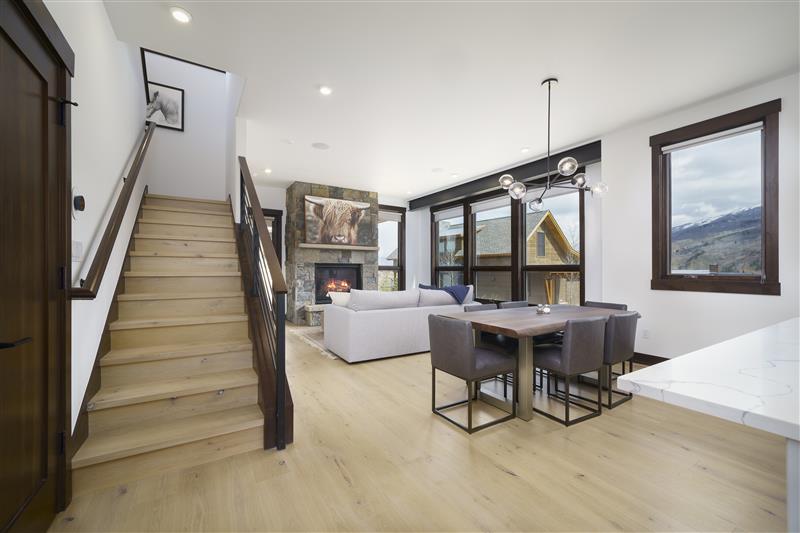
Your flooring makes the first impression when someone walks into your home. It affects how the room feels underfoot, how light reflects, and how long it retains its beauty over time. This is why it is essential to choose the right flooring option, one that balances durability, style, and long-term performance.
Engineered hardwood has become a favorite among homeowners, designers, and builders — and for good reason. It delivers the inviting warmth of real wood while offering exceptional durability and the flexibility to complement a wide range of interior styles.
What many don’t realize is that not all engineered flooring is the same. There are several construction types, each with unique characteristics, performance advantages, and ideal use cases. Understanding these differences empowers you to select a floor that truly aligns with your lifestyle, budget, and long-term design vision.
What Is Engineered Hardwood Flooring?
Engineered hardwood is crafted by layering multiple wood materials to create a stable, long-lasting plank. A genuine hardwood wear layer is bonded to a highly durable core, combining the natural beauty of real wood with exceptional structural performance.
Unlike solid hardwood — which can expand or contract with changes in humidity and temperature — engineered hardwood maintains its shape even in high-moisture environments or seasonal climate shifts. It’s also a more eco-conscious choice, using less solid wood and maximizing resources without compromising aesthetics.
Engineered hardwood includes numerous advantages that make it a wise option for contemporary environments. It is tough and durable, specially designed to withstand daily use without losing its appearance over extended periods of time. It remains stable in dry or humid environments. Engineered flooring also gives you a great deal of design flexibility as it comes in different types of wood, finishes, and sizes to match any decor. It is also eco-friendly as it contains less solid wood, thereby reducing waste and promoting sustainable use.
At VANTIA Hardwoods & Interiors, engineered hardwood is crafted for both form and function, combining premium materials, precision construction, and design-driven options that make any interior stand out.

Kinds of Engineered Hardwood Flooring
Most engineered wood flooring is designed for a specific application and environment. Aeration, grading, and other design features determine its performance and longevity in a given space. Here are the main kinds you are likely to come across.
1. Standard Engineered Hardwood
This is the most common and widely used flooring option. It features a thin hardwood veneer bonded to a multi-layer plywood core or high-density fiberboard (HDF) base.
Pros:
- Affordable and accessible for most budgets.
- Excellent dimensional stability across climates.
- Wide range of finishes and wood species.
Cons:
- Limited refinishing potential due to thin wear layer.
Best suited for: Homeowners who desire the natural appearance of wood with dependable performance at a reasonable price.
2. Thick-Veneer Engineered Hardwood
Thick-veneer options feature a significantly thicker top layer, sometimes up to 6mm, giving it the appearance and feel of solid hardwood.
Pros:
- Can be sanded and refinished multiple times.
- Looks and feels very close to solid wood.
- Long lifespan and strong resistance to wear.
Cons:
- Slightly higher upfront cost, but better long-term value.
Best for: Homeowners or designers seeking lasting beauty and the ability to refresh the floor over time.
3. Solid Engineered Hardwood Flooring (Hybrid)
This category represents VANTIA’s specialty. These planks have no plywood and fewer adhesive layers, creating a solid yet dimensionally stable structure.
Each plank includes:
- Top Veneer: Premium species like oak, walnut, or ash, carefully selected for grade and grain pattern.
- Core Layer: A softer wood, such as spruce, placed perpendicular to the top layer for added stability.
- Bottom Layer: Acts as a balancing base, enhancing strength and structure.
The result is a high-performance wood floor that looks, feels, and lasts like solid hardwood, but with the engineered stability of engineered wood.
VANTIA sources exceptional options from brands such as Scheucher and mafi, known for their symmetrical plank structures and European craftsmanship. These floors use less adhesive, maintain dimensional balance, and offer a refined natural finish, perfect for luxury interiors that value both authenticity and durability.
Best for: Those seeking premium quality, long-term investment value, and minimal maintenance.
4. Waterproof Engineered Hardwood Flooring
If you plan to install engineered flooring in spaces prone to water or moisture, waterproof engineered wood flooring is the ideal choice.
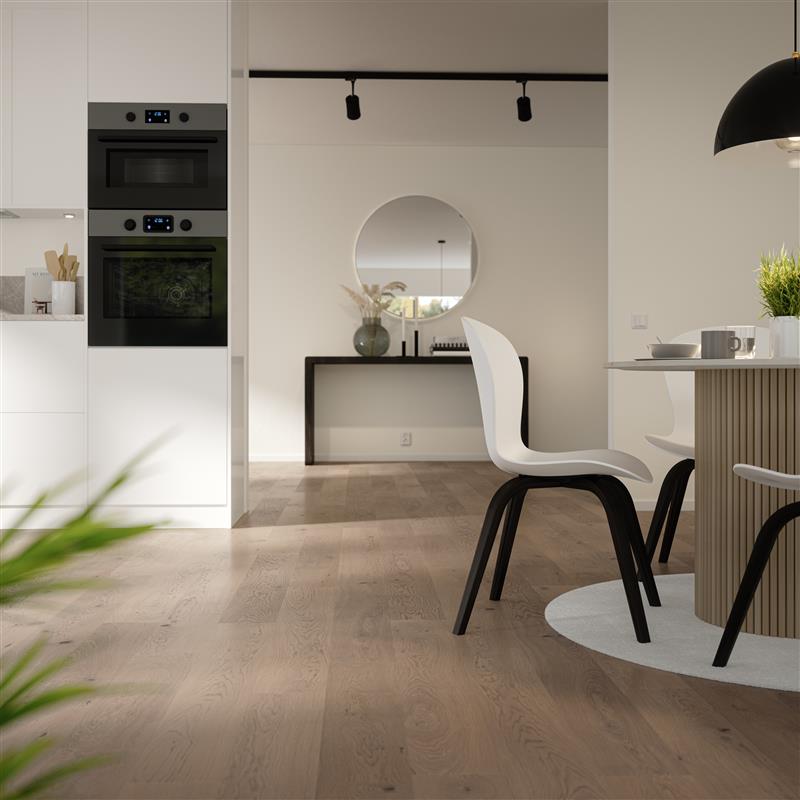
A brand that stands out is Bjelin. They offer next-generation hardwood made from cured wood with patented tech from Välinge Innovation. These floors feature a fully functional, hardened surface layer combined with a high-density wood fiber core, making them resistant to moisture, scratches, and dents.
Pros:
- Very resistant to water and scratches.
- Great for high-traffic or spill-prone areas.
- Retains that European oak beauty while keeping it tough.
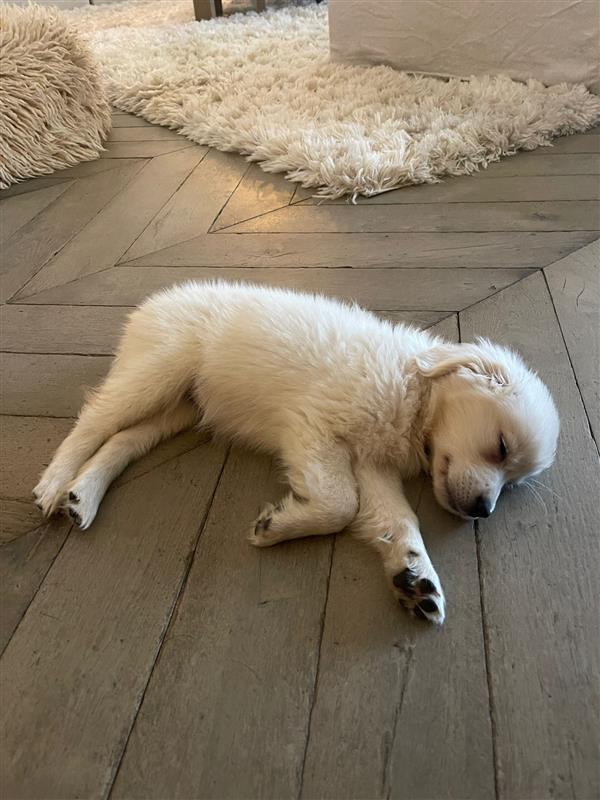
Best for: Busy households, families with kids or pets, or any space that demands beauty and resilience.
5. Eco-Friendly Engineered Hardwood Flooring
For those who prioritize sustainability, reclaimed and eco-friendly engineered hardwood is the best choice.
VANTIA offers reclaimed wood options where historic planks are refinished and bonded to stable engineered cores. Each piece carries its own unique history, character, and texture, creating a one-of-a-kind aesthetic.
Pros:
- Environmentally responsible and sustainable.
- Offers unique character and timeless appeal.
Cons:
- Limited supply and higher price due to sourcing and restoration.
Best for: Homeowners and designers who value both sustainability and distinctive design.
Key Factors to Consider Before Choosing Engineered Flooring
Choosing the right flooring means balancing appearance, function, and practicality. Here are a few key points to think about when selecting the perfect flooring option:
- Durability and Maintenance: Top layer thickness, finish type, and surface protection determine how long the engineered wood floor will last and how easy it is to care for.
- Aesthetics and Design: Every detail shapes the final look — from wood species and grain to finish and plank width. Our VANTIA showroom offers a wide range of options to suit any style, whether modern, rustic, or timeless and classic.
- Environmental Conditions: Some floors offer better moisture resistance than others. Engineered hardwood works well in varying climates, but waterproof or hybrid engineered options excel in high-moisture areas.
- Budget: Upfront cost matters, but long-term value is equally important. A thicker wear layer may cost more initially, but it provides greater longevity and the ability to refinish, increasing investment value.
- Installation: Professional installation ensures perfect alignment and a refined finish. VANTIA provides full-service installation, from preparation to final polish.
- Sustainability: Look for certified, eco-friendly, or reclaimed wood products that minimize waste and support eco-conscious design.
Which Engineered Flooring Is Best for You?
Here’s a quick summary to help narrow down the perfect flooring options:
- Best for Budget-Conscious Buyers: Standard engineered hardwood options offer the look of real wood at an accessible price point.
- Best for High-Traffic Areas: Waterproof engineered hardwood like Bjelin provides high moisture resistance and scratch resistance, ideal for busy spaces.
- Best for Eco-Conscious Consumers: Reclaimed engineered flooring from VANTIA’s sustainable range offers unique grain patterns and environmental responsibility.
- Best for Long-Term Investment: Thick-veneer or solid-engineered hybrid hardwood delivers greater refinishing potential, long lifespan, and premium durability.
If you’re still unsure, VANTIA’s experienced team can help you evaluate your space, lifestyle, and design goals to determine the best engineered hardwood flooring for your home.
How VANTIA’s Engineered Hardwoods Compare to Standard Options
Many homeowners start their search at big-box stores, where most products are basic, contractor-grade flooring. These options work but often come with thin veneers, standard finishes, and limited refinishing potential.
VANTIA’s engineered hardwoods stand apart. Each collection features thicker wear layers (3.5mm–6mm), solid symmetrical cores, and precision European craftsmanship.
- Scheucher: Renowned for its high-quality Austrian construction and stability.
- mafi: Known for natural finishes and balanced plank structure that enhances durability and beauty.
- Bjelin: Delivers groundbreaking waterproof and hardened wood technology for long-lasting performance.
The difference shows in both appearance and longevity; VANTIA’s floors are built to impress and endure for generations.
Why Choose VANTIA for Engineered Hardwood Flooring
With over 20 years of experience, VANTIA Hardwoods & Interiors has become a trusted partner for builders, architects, designers, and homeowners. The team provides complete flooring solutions from product selection to installation, refinishing, and long-term care.
When you choose VANTIA, you’re choosing:
- Premium, tailor-made products designed for beauty and durability.
- Expert guidance throughout the selection and installation process.
- Eco-conscious practices and responsibly sourced materials.
- Exceptional customer service from start to finish.
Conclusion
Engineered hardwood flooring is available in several types, each offering its own balance of style, performance, and sustainability. From cost-effective standard options to long-lasting hybrids and eco-friendly reclaimed choices, there’s a perfect match for every home.
The best flooring option for you depends on your space, design preferences, and long-term goals. For personalized advice and a closer look at premium options, visit VANTIA Hardwoods & Interiors today for expert guidance.
Transform your floors into a timeless foundation for your home, built to last, designed to inspire.
FAQs
What are the different types of engineered hardwood flooring?
Standard engineered hardwood, solid-engineered hybrid, waterproof engineered flooring, and reclaimed eco-friendly options.
How long does engineered hardwood flooring last?
With proper care, high-quality engineered flooring can last 25 to 75 years, depending on the thickness of the top layer.
Can engineered hardwood floors be refinished?
Yes. Thicker veneers of engineered hardwood can be refinished several times, extending the floor’s lifespan.
What is the most durable type of engineered hardwood flooring?
Hybrid and waterproof engineered hardwood, like Bjelin, is exceptionally durable and ideal for busy homes.
Is engineered hardwood good for kitchens or basements?
Yes. Engineered and waterproof types perform well in humid or moisture-prone areas when properly installed.