

Part #4 of the Series: How to Evaluate Hardwood Flooring Like an Expert
The best hardwood flooring texture is a personal choice; the one that brings out the character you love in the wood and fits the way you live. Each type of texture creates a different look and feel. Examples include smooth, wire-brushed, hand-scraped, and distressed surfaces, and each offers different considerations for cleaning and visible wear.
Texture is sometimes treated as a finishing detail when choosing hardwood flooring, but it can have a surprisingly large effect on the finished room. It changes how light moves across the floor, how much of the wood grain you see and feel, and even how noticeable everyday wear may become over time.
As with species, grade, color, and plank width (link each of these), there isn’t one texture that’s right for every home. The goal is to understand what each option brings to the floor. Then choose the one that works with your design, your lifestyle, and the character you want from the wood.
What Does Texture Mean in Hardwood Flooring?
Hardwood flooring texture describes the treatment of the wood’s surface.
A floor can be very smooth and uniform, lightly brushed to reveal more of the grain, or intentionally sculpted or distressed to create more visible surface character. The texture may be subtle enough that you notice it primarily when light hits the floor, or pronounced enough that it becomes an important part of the room’s design.
It helps to separate texture from the other decisions you’re making about hardwood flooring.
Species determines the type of wood and its inherent grain and characteristics.
Grade determines how much natural variation, such as knots and color changes, is selected into the floor.
Texture changes the surface of the wood.
Finish protects that surface while also influencing its sheen and overall appearance.
All of these elements work together. That’s why two floors made from the same species can look dramatically different once grade, color, texture, and finish are changed.
What Is the Difference Between Smooth and Wire-Brushed Hardwood Flooring?
Smooth and wire-brushed hardwood flooring represent two of the most popular approaches to surface texture, but they create distinctly different effects.
Smooth Hardwood Flooring
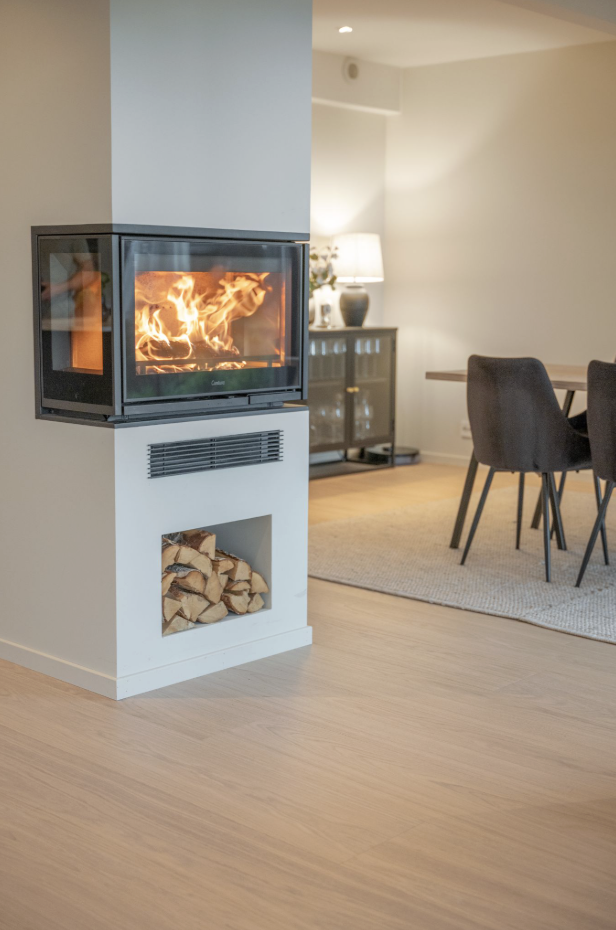
A smooth floor has an even surface that allows the wood’s grain, color, and natural variation to lead the design.
The clean surface can create a refined, understated appearance, particularly when paired with a lower-character grade or more consistent color. But smooth doesn’t necessarily mean formal.
Wide-plank smooth flooring, for example, can work beautifully in contemporary, transitional, and minimalist interiors.
VANTIA’s Bjelin flooring is one example worth exploring if you’re interested in a cleaner surface and modern hardwood aesthetic.
Wire-Brushed Hardwood Flooring
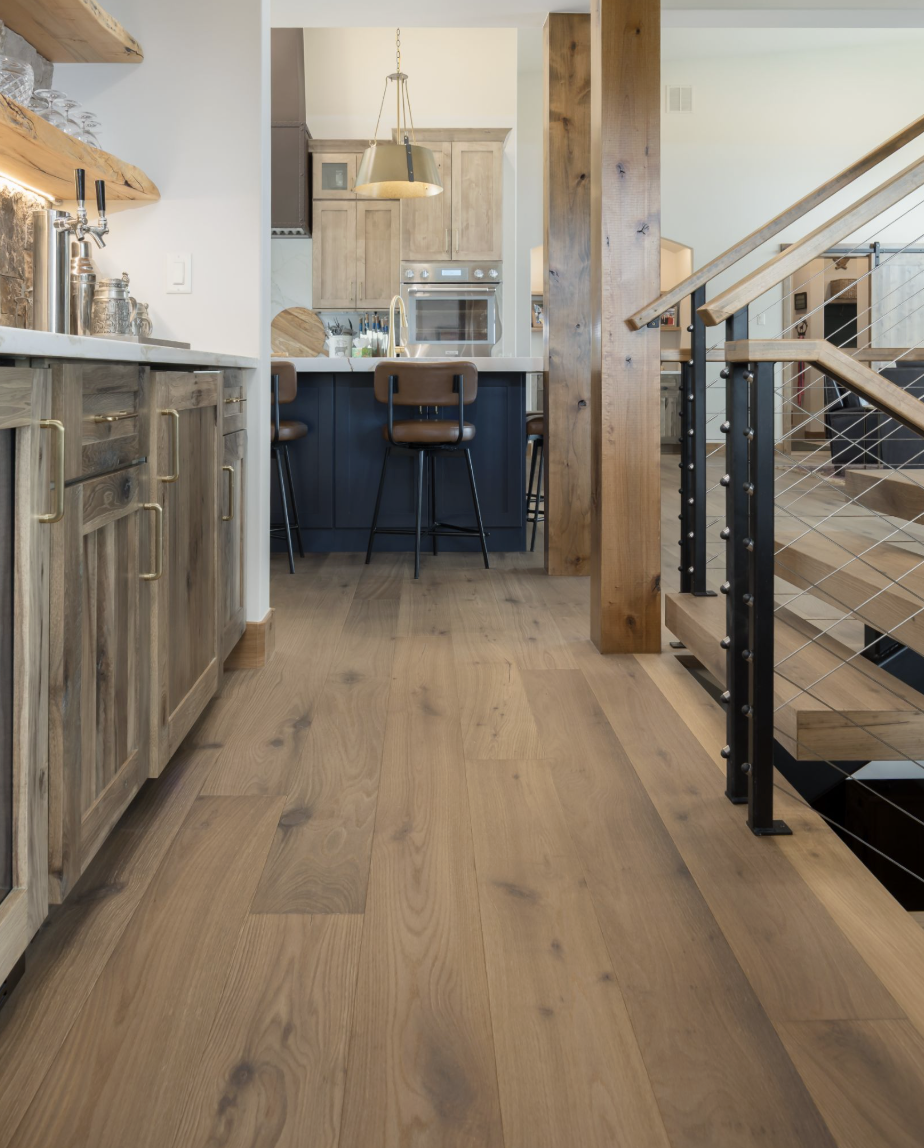
Wire brushing removes some of the softer wood fibers at the surface, leaving the harder grain slightly more pronounced. The result is a subtle texture that emphasizes the natural grain of the wood.
Depending on the product, wire brushing can be quite restrained or more visible. On many floors, you see the effect as much as you feel it.
VANTIA’s Peak Collection provides a good example of how texture can bring additional depth and character to hardwood without making the floor appear heavily distressed.
If you’re deciding between smooth and wire-brushed hardwood, try comparing the same or similar species and colors side by side. That makes it easier to see exactly what the surface treatment contributes.
How Do Hand-Scraped and Distressed Hardwood Floors Look?
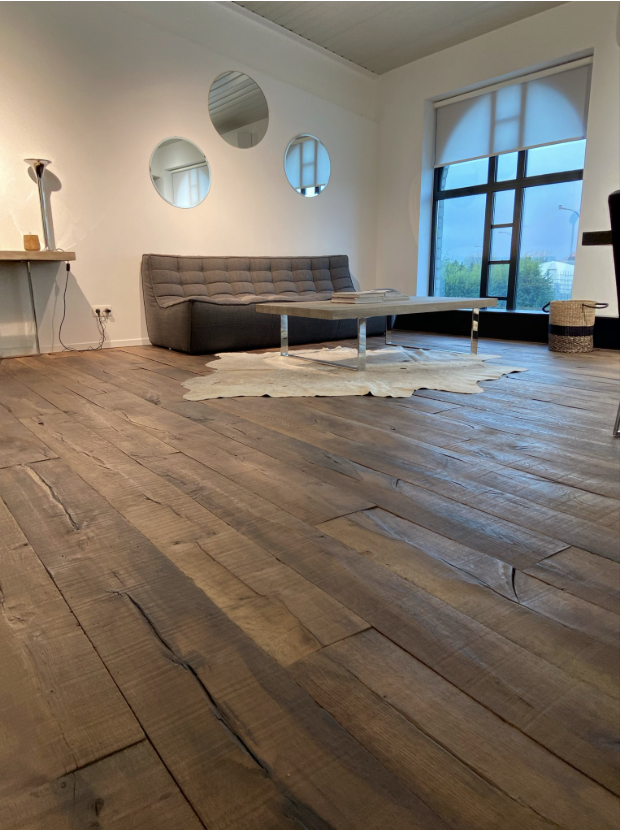
For homeowners who want the surface itself to contribute more character, hand-scraped, sculpted, and distressed floors offer additional texture.
Hand-scraped or sculpted flooring typically has broader contours and more visible variation across the surface. The terminology can be confusing, however. A product described as “hand-scraped” does not necessarily mean that every plank was individually scraped by hand. Production methods vary considerably, so look at the actual flooring rather than relying on the name alone.
Distressed hardwood flooring takes the aged effect further. The wood may include intentional marks, worn-looking areas, or other treatments designed to give the floor a more timeworn appearance. Distressed new flooring is intentionally treated to create an aged appearance, but shouldn’t be confused with actual reclaimed wood floors.
Reclaimed wood floors likely have marks, patina, and wear that developed authentically during their previous life. Some reclaimed wood floors are prized for their age, history of use, and high quality. Reclaimed wood floors can be refinished to protect the authenticity of the wear and tear while beautifully repairing it for installation.
Both can produce beautiful floors, but they tell very different stories.
VANTIA’s Arbony Collection and reclaimed wood flooring options are useful places to explore how stronger surface character can influence the overall design of a floor.
Which Hardwood Flooring Texture Fits Your Home Design?
Start with the feeling you want the room to have rather than trying to match a flooring texture to a particular design label.
Smooth and lightly brushed surfaces tend to create a quieter visual foundation. More pronounced textures can make the flooring itself a stronger design element, adding depth, movement, and a sense of age or craftsmanship.
But don’t let conventional style rules limit your choices.
A wire-brushed or character-rich oak floor can look striking in a very modern home. Likewise, a smooth floor can work beautifully in a mountain home or more traditional interior. The surrounding architecture, cabinetry, furnishings, natural light, and other materials will influence how the floor feels in the space.
Texture also works closely with grade and plank width.
A wide plank with substantial natural variation and a pronounced texture can create a floor with a great deal of visual character. Use the same wide plank with a quieter grade and smoother surface, and the effect can be considerably more restrained.
This is one reason we recommend looking at a large flooring sample whenever possible. A small sample can show color and grain, but it may not adequately show how texture repeats across multiple planks or how light interacts with the surface.
Do Textured Hardwood Floors Hide Scratches and Everyday Wear?
Sometimes it does. But texture should not be viewed as a way to make hardwood flooring scratch-proof.
A lightly brushed or more textured surface can make certain scratches, scuffs, and signs of everyday use less visually obvious because the floor already contains surface variation. On a very smooth, uniform floor, a new mark may contrast more clearly with the surrounding surface.
But texture is only one factor.
The wood species, color, finish system, and sheen can all influence how noticeable wear becomes. Darker or very uniform floors, for example, may show certain types of dust or surface marks more readily than floors with more color and grain variation.
If you have children, pets, or an active household, talk with your flooring design professional at VANTIA about the entire flooring system rather than choosing texture alone based on durability.
The goal isn’t necessarily to find a floor that never shows evidence of life. It’s to choose a floor whose appearance will continue to work well as the home is actually lived in.
Are Textured Hardwood Floors Harder to Clean?
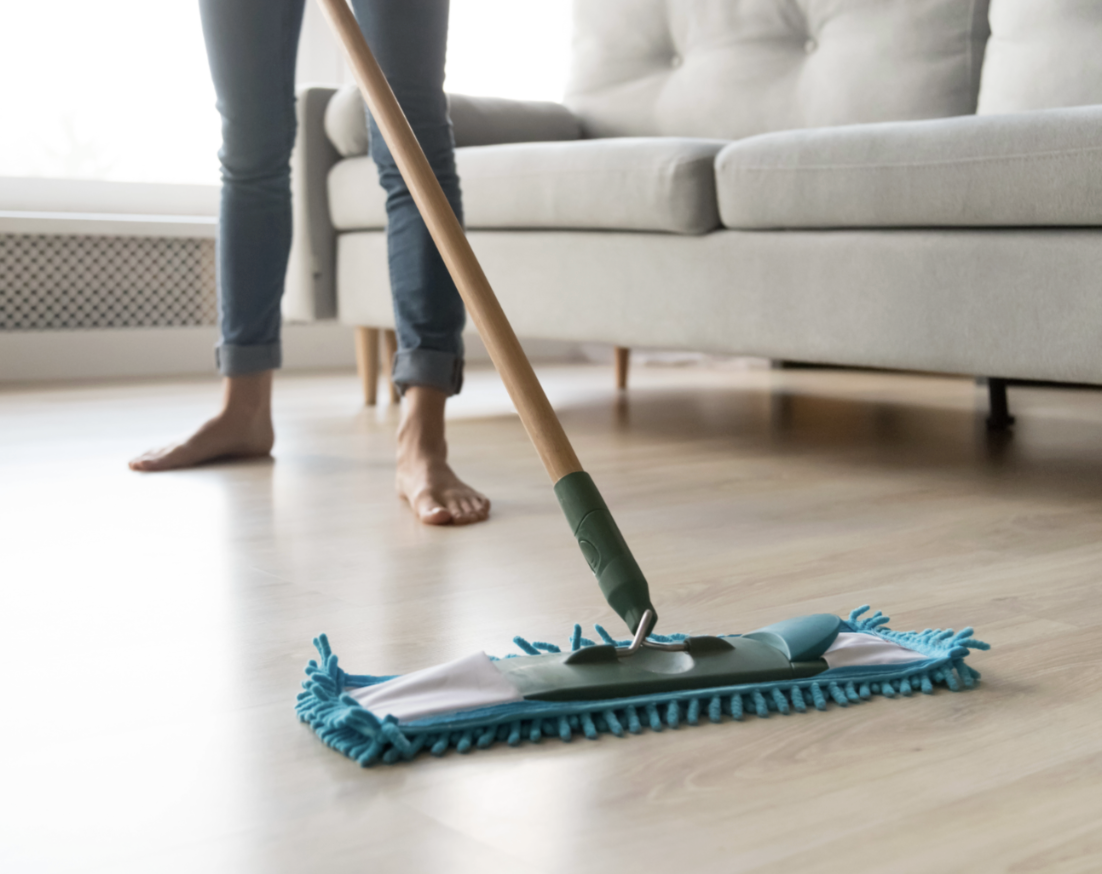
The more pronounced the surface texture, the more attention the floor may require when cleaning.
Smooth and lightly wire-brushed hardwood generally has fewer deep contours where dust and debris can collect. More heavily sculpted, scraped, or distressed surfaces can have deeper variations that require a little more care.
That doesn’t mean textured floors are difficult to maintain. It simply means maintenance should be part of your decision.
Before choosing a floor, ask your VANTIA representative how the manufacturer recommends cleaning it, what products should be used, and what should be avoided. Hardwood flooring finishes vary, so following the care recommendations for your particular product is more important than applying a universal cleaning routine.
Choose a surface you enjoy looking at — but also one you can comfortably live with and maintain.
How Can You Choose the Right Hardwood Flooring Texture?
Photos are useful for inspiration, but texture is one hardwood flooring decision that’s especially important to experience in person.
Look at samples. Touch them. Walk across larger displays when possible. Move the samples into different lighting and look at them during both daylight and evening hours.
Place them next to cabinetry, stone, tile, furnishings, and other materials that will remain in the room. Watch what happens when light moves across the grain.
And consider the floor as a complete combination of decisions rather than choosing texture by itself.
Your wood species, grade, color, plank width, texture, and finish work together to determine how the finished floor will look and feel. Changing just one of those elements can substantially change the result.
To best understand how to choose hardwood flooring that’s right for your home, visit our blog series:
How to Choose Hardwood Flooring Like an Expert
- Species: What natural grain and character do I want?
- Grade: How much variation do I want to see?
- Width: What scale works with my rooms and architecture?
- Texture: How refined or dimensional should the surface feel?
- Color: What tone do I want the wood to carry, given the species, grade, width, and texture I’ve chosen?
- Finish: What sheen and performance characteristics complete the floor?
At VANTIA Hardwoods & Interiors, we help homeowners, designers, architects, and builders evaluate those choices together, from the natural character of the wood to the way the finished floor will work within the overall interior.
Explore our hardwood flooring collections, or contact VANTIA for guidance selecting hardwood flooring for a Colorado home or a custom flooring project anywhere in the country.
Frequently Asked Questions About Hardwood Flooring Texture
Is wire-brushed hardwood flooring rough to walk on?
Usually, no. Wire-brushed flooring has surface relief that highlights the wood grain, but the amount of texture varies considerably by product. Some floors are very lightly brushed and feel nearly smooth, while others have more noticeable texture. Looking at and touching an actual sample is the best way to judge the surface.
Is hand-scraped flooring the same as distressed flooring?
Not necessarily. Hand-scraped or sculpted flooring generally refers to contours created across the surface of the wood. Distressed flooring may include additional marks or treatments intended to create an aged or timeworn appearance. Manufacturers may use these terms differently, so evaluate the actual product rather than relying only on the description.
What hardwood flooring texture works best with pets?
There is no single texture that’s best for every home with pets. A textured surface may make some everyday marks less noticeable than a very smooth, uniform floor, but texture doesn’t prevent scratches or dents. Wood species, color, finish, sheen, and the size and activity level of your pets should all be considered when selecting the floor.