

Part 2 of the Series: How to Evaluate Hardwood Flooring Like an Expert
Homeowners choosing a hardwood floor often start with their first reaction: Wow, I like that color.
But color is only one part of what you’re seeing, and it’s one of the hardwood characteristics that can change most dramatically with finishing.
The best hardwood flooring species for your home depends on much more than color. Each species has its own natural grain, color variation, hardness, and character, all of which influence how your finished floor will look and perform.
Before comparing stains or finishes, our experts at VANTIA encourage you to look at the wood itself. Understanding the natural characteristics of oak, walnut, ash, and other hardwood species will help you choose a floor that fits your home’s design, your lifestyle, and how you want it to age.
If you’re just beginning your flooring search, start with our guide, How to Evaluate Hardwood Flooring Like an Expert: The 6 Layers of a Better Floor, which explains how species, grade, width, texture, and finish work together.
What Does Hardwood Species Mean to the Homeowner?
Hardwood species simply identifies the type of tree the wood comes from. But that seemingly simple choice establishes many of the characteristics you’ll ultimately see in your floor.
Different species have naturally different grain patterns, colors, levels of variation, hardness, and overall visual character.
VANTIA hardwood designers think of the species as the foundation of the floor’s appearance.
Grade, by comparison, helps determine how much of that natural character appears in the flooring you select. A species may naturally contain knots, color variations, and distinctive grain patterns, while the flooring grade determines how much of that variation is included in a particular product.

We explain that relationship in more detail in Understanding Hardwood Flooring Grades.
The finish of the flooring adds another layer. Stains, oils, and other treatments can significantly influence the final color and appearance of hardwood, but they can’t completely disguise the underlying grain and personality of the wood itself.
That’s why choosing the right species is an important early decision.
In Choosing a Hardwood Flooring, Start With Grain, Not Just Color
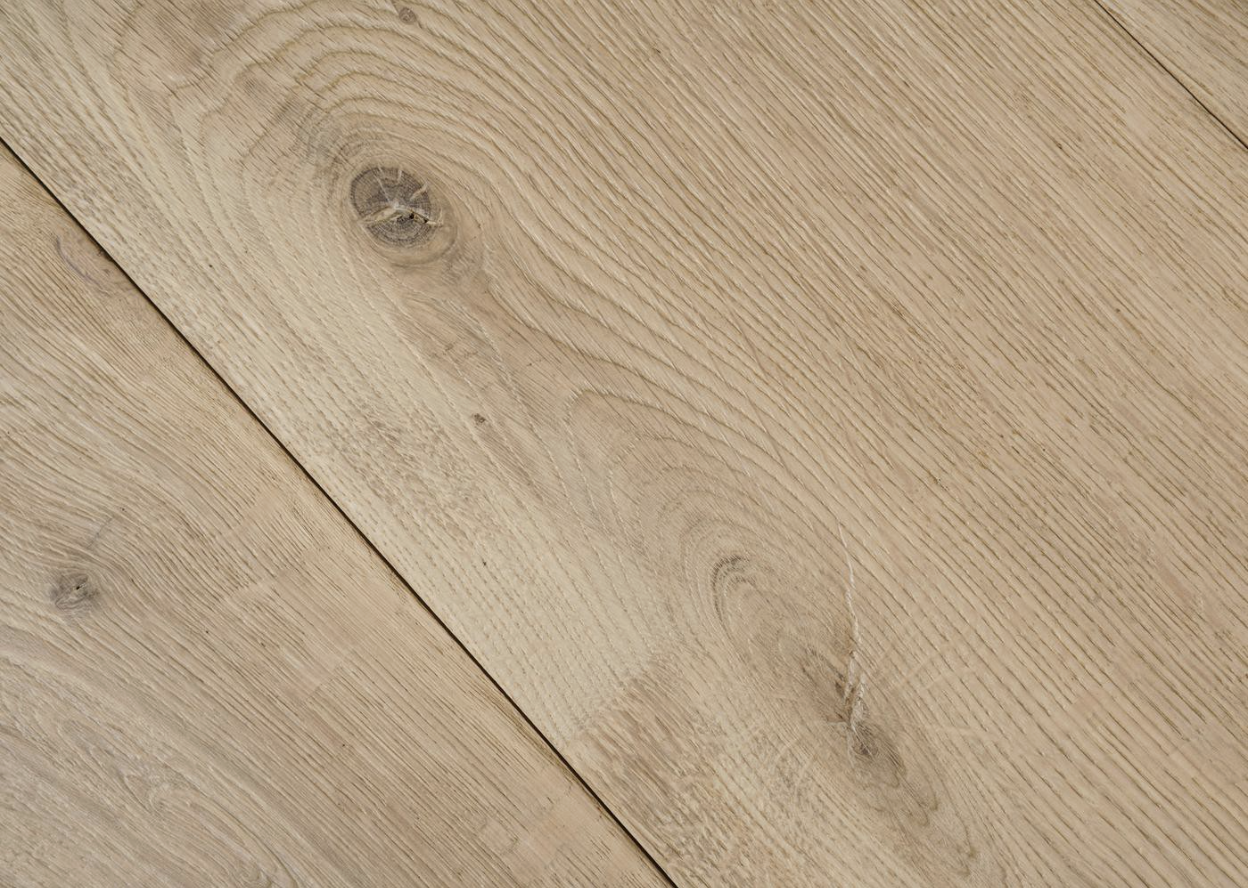
Most homeowners naturally gravitate toward color when looking at hardwood flooring samples. You may immediately know that you want something light and natural, warm and golden, or deep and dramatic.
But take a second look at the grain. While color can be influenced substantially through stains, oils, and finishing techniques, the grain belongs to the wood itself.
Some hardwood species have strong, expressive grain with considerable movement. Others have a quieter, more consistent appearance. And while a small flooring sample can give you a sense of the grain, remember that its effect becomes much more noticeable when that wood extends across an entire room, or an entire home.
Other flooring choices can also influence how prominent the grain appears. Wider planks may showcase more of the wood’s natural pattern. Its grade can introduce more or less variation. Texture can either emphasize the grain or create another visual layer.
A good rule when comparing hardwood flooring species is this: If you love the color but don’t love the grain, keep looking. The finish can change. The fundamental character of the wood does not.
Consider the Wood’s Natural Color and Variation
Every hardwood species also has a natural color range and undertone.
Some woods begin relatively pale or neutral. Others naturally lean golden, reddish, or brown. Walnut is prized in part because of its naturally rich, darker coloration, while oak provides a much different starting point.
Natural variation is also part of the beauty of real wood.
Individual boards from the same species won’t necessarily look identical. The tree, the portion of the tree from which the board was cut, and the grain itself all contribute to differences across a hardwood floor.
This is also where species and grade can sometimes become confusing.
A hardwood species naturally contains a range of color, grain, and character. The flooring grade helps determine how much of that natural variation is selected into the finished product.
So when you see two floors made from the same species that look surprisingly different, you may be seeing the combined effect of species, grade, plank selection, and finish.
How Hard Does Your Hardwood Floor Need to Be?
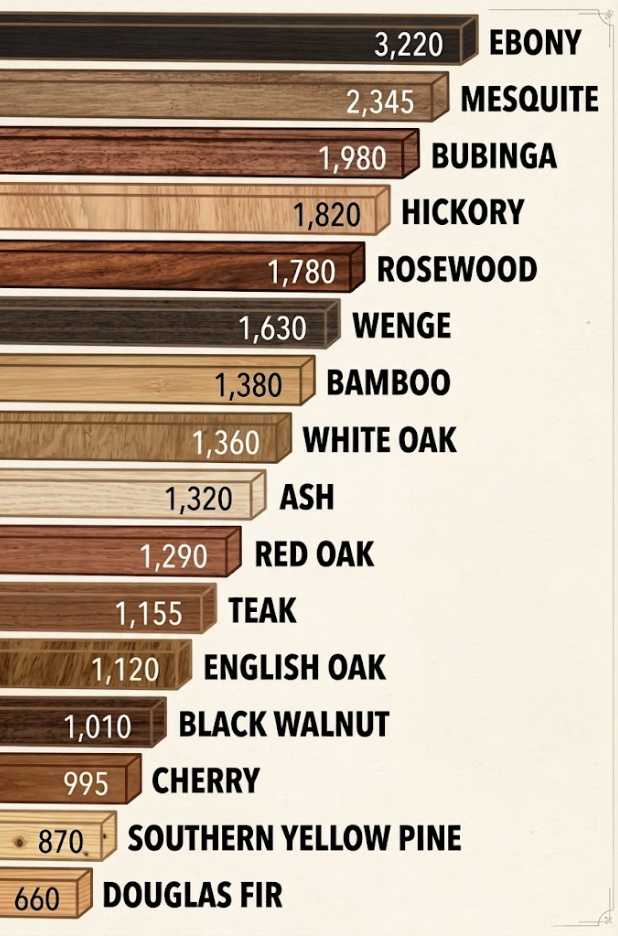
Hardness matters, but it shouldn’t become the only factor in choosing a hardwood flooring species.
The Janka hardness scale measures a solid wood species’ resistance to indentation. It can be useful for understanding the relative hardness of one species compared with another, particularly if you have children, dogs, or a very active household.
But a higher Janka rating doesn’t automatically mean you’re getting a “better” hardwood floor.
The overall performance of a floor is affected by more than the hardness of the species. The cut of the wood, flooring construction, finish, and how the floor is used and maintained all matter. Janka ratings also measure solid wood and shouldn’t be used as a direct measure of the performance of an engineered hardwood flooring product.
And no hardwood, regardless of its hardness rating, is completely scratch-proof or dent-proof.
For a busy household, hardness may deserve greater consideration. In a lower-traffic space or a home where a particular aesthetic is the priority, a somewhat softer species shouldn’t automatically be eliminated.
The better question is not simply, Which wood is hardest? The question is this: which hardwood species provides the combination of appearance and performance that works for your home?
Think About Stability and Where the Floor Will Live
Wood naturally responds to its environment, and different species can respond differently to changes in moisture and humidity.
But species is only part of this conversation.
With engineered hardwood flooring, the construction of the flooring also plays an important role in dimensional stability. A real hardwood surface can be combined with an engineered core designed to provide greater stability as environmental conditions change.
That makes it important not to choose your hardwood species in isolation.
Consider where the floor will be installed, your climate, and conditions within the home. If you’re considering installation over radiant heat or in an area where temperature or humidity fluctuations may be a concern, ask whether the combination of species and engineered construction is appropriate for that particular application.
Consider How the Species Responds to Finish
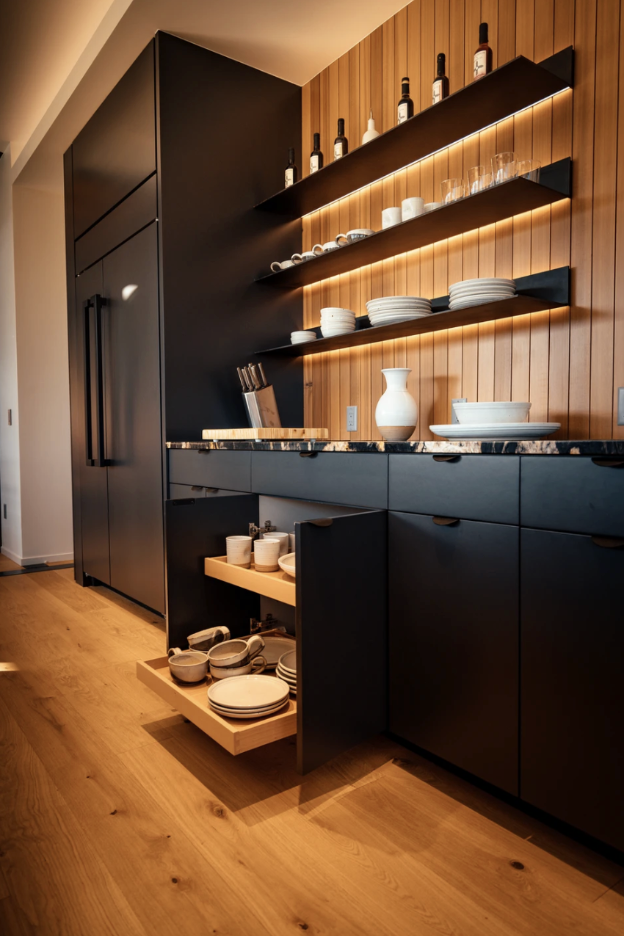
One reason hardwood flooring offers so many design possibilities is that finish can transform the appearance of the wood.
But the same finish will not look identical on every hardwood species.
The underlying grain, tannins, porosity, and natural coloration of the wood all affect how it responds to stains, oils, and other treatments. A naturally pale oak, for example, gives a flooring manufacturer a very different starting canvas than naturally dark walnut.
This is another reason choosing a hardwood floor by color alone can be misleading. Two samples may appear to be a similar shade, yet the woods beneath those finishes may have very different grain patterns, natural coloration, and visual character.
When you find a finished floor you love, look beyond the finish and ask: What species am I actually looking at? That will tell you much more about the fundamental character of the floor.
Comparing Popular Hardwood Flooring Species
There are many hardwood species suitable for flooring, each offering a different combination of grain, color, and performance. Here’s what several homeowners frequently consider when looking for a high-quality hardwood floor.
European White Oak
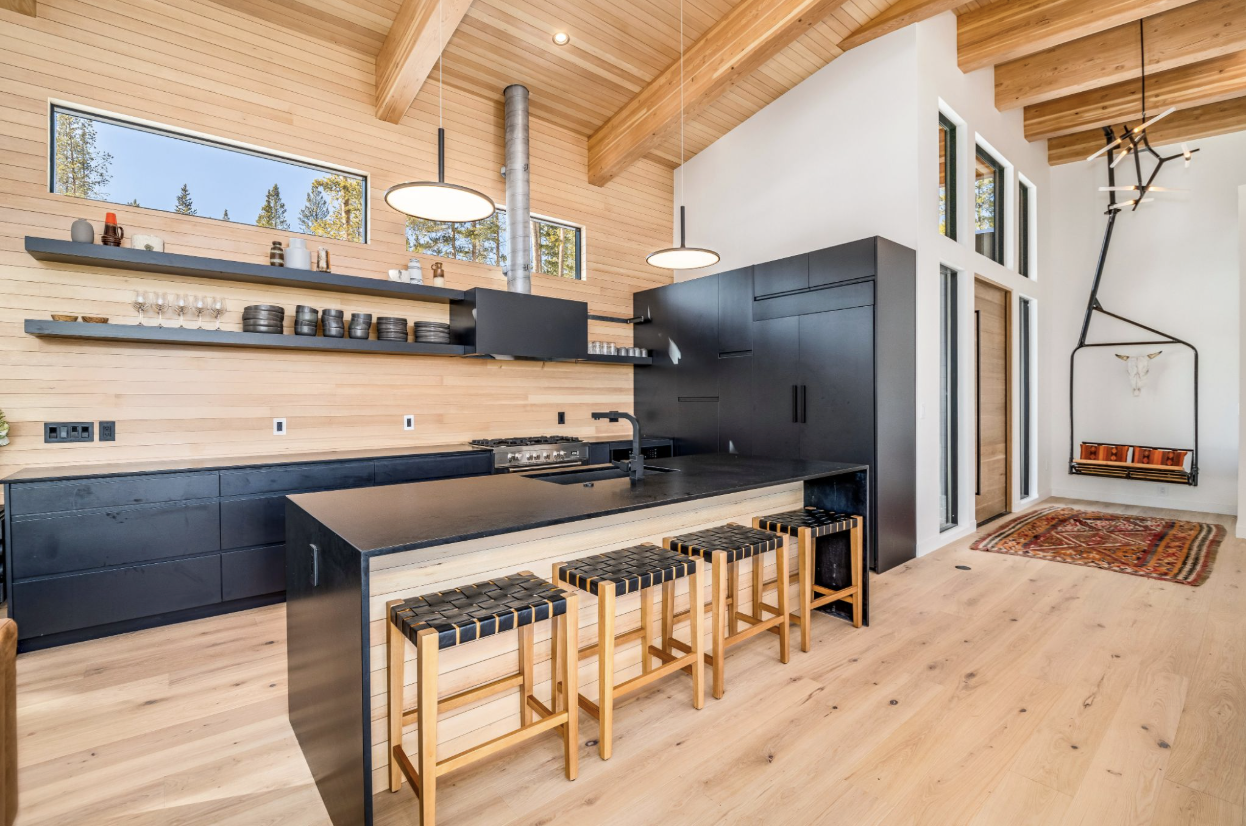
European White Oak is an exceptionally versatile flooring species and an important foundation for many VANTIA hardwood collections.
Its natural grain provides visible character without overwhelming a space, and the wood works beautifully across a wide range of flooring styles.
Depending on the grade, European White Oak can appear relatively clean and consistent or display considerably more knots, variation, and natural character. It also provides manufacturers with a versatile foundation for different textures and finishes.
That flexibility means European White Oak can feel distinctly modern in one application and warm and traditional in another.
It’s a good example of why species is only the first layer of choosing a hardwood floor. Grade, width, texture, and finish can take the same fundamental species in very different design directions.
French Oak
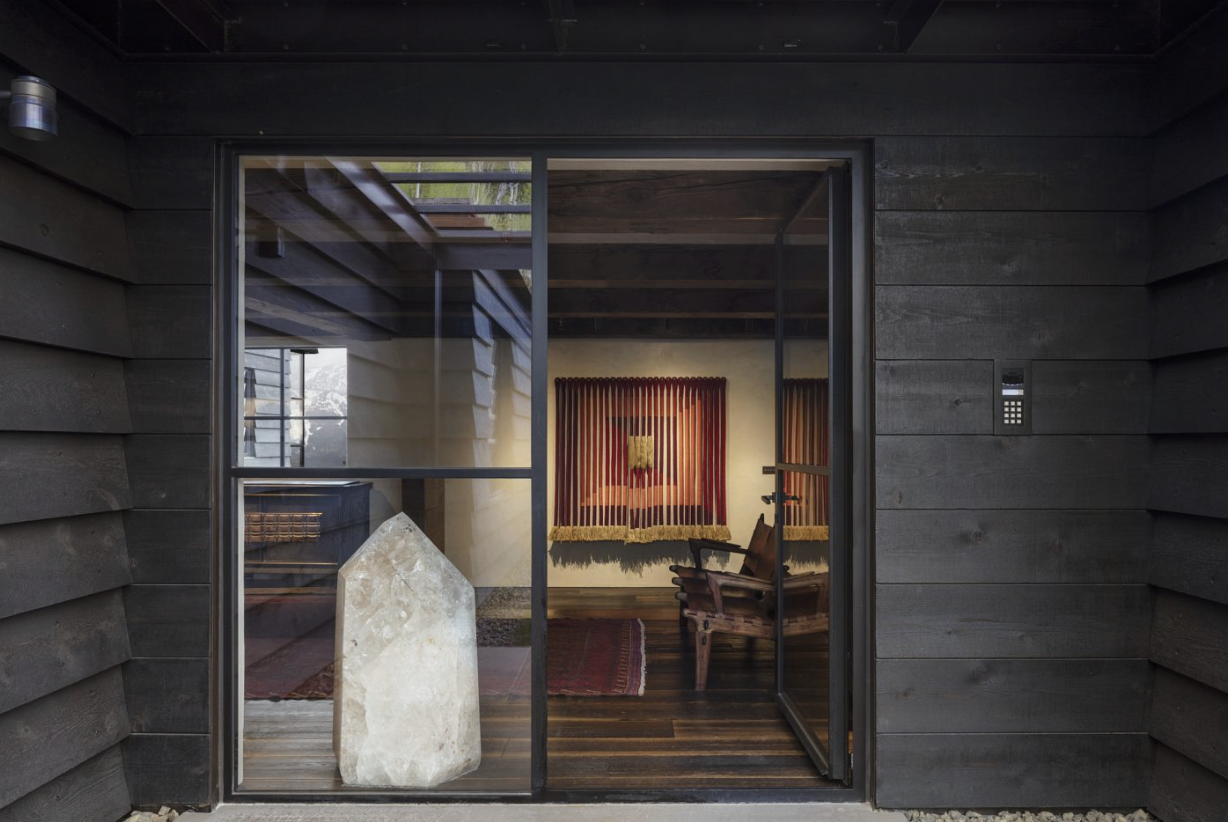
French Oak is a type of European Oak grown in France and is valued for its refined grain, natural warmth, and ability to work beautifully with a wide range of finishes. For homeowners, the appeal is versatility.
The term French Oak refers to the origin of the wood, not a separate botanical species, so homeowners shouldn’t assume every floor labeled French Oak will look the same. Grade, how the wood is cut, plank width, texture, and finish can all create very different results. One French Oak floor may be clean, pale, and contemporary, while another may feature knots, variation, and a more rustic character.
Walnut
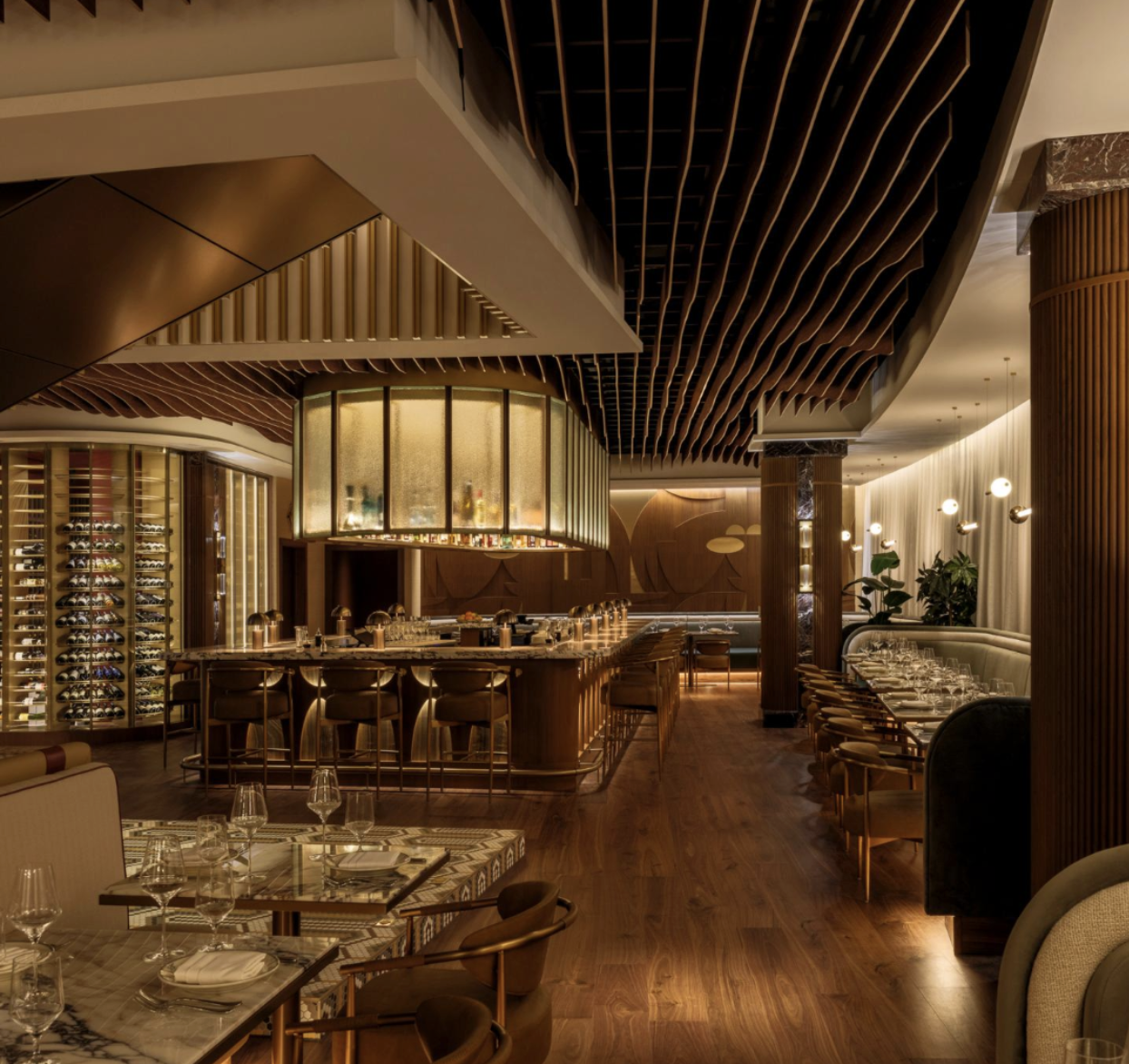
Walnut begins at a very different place visually. Its naturally deeper brown coloration and distinctive variation give it a rich, elegant appearance without relying on a dark stain to create the effect.
Walnut is softer than oak, which also illustrates an important point about choosing hardwood flooring: hardness is only one consideration.
For homeowners who are drawn to walnut’s natural coloration and grain, its visual qualities may be much more important to the decision than selecting a harder species simply because it ranks higher on a hardness scale.
Ash
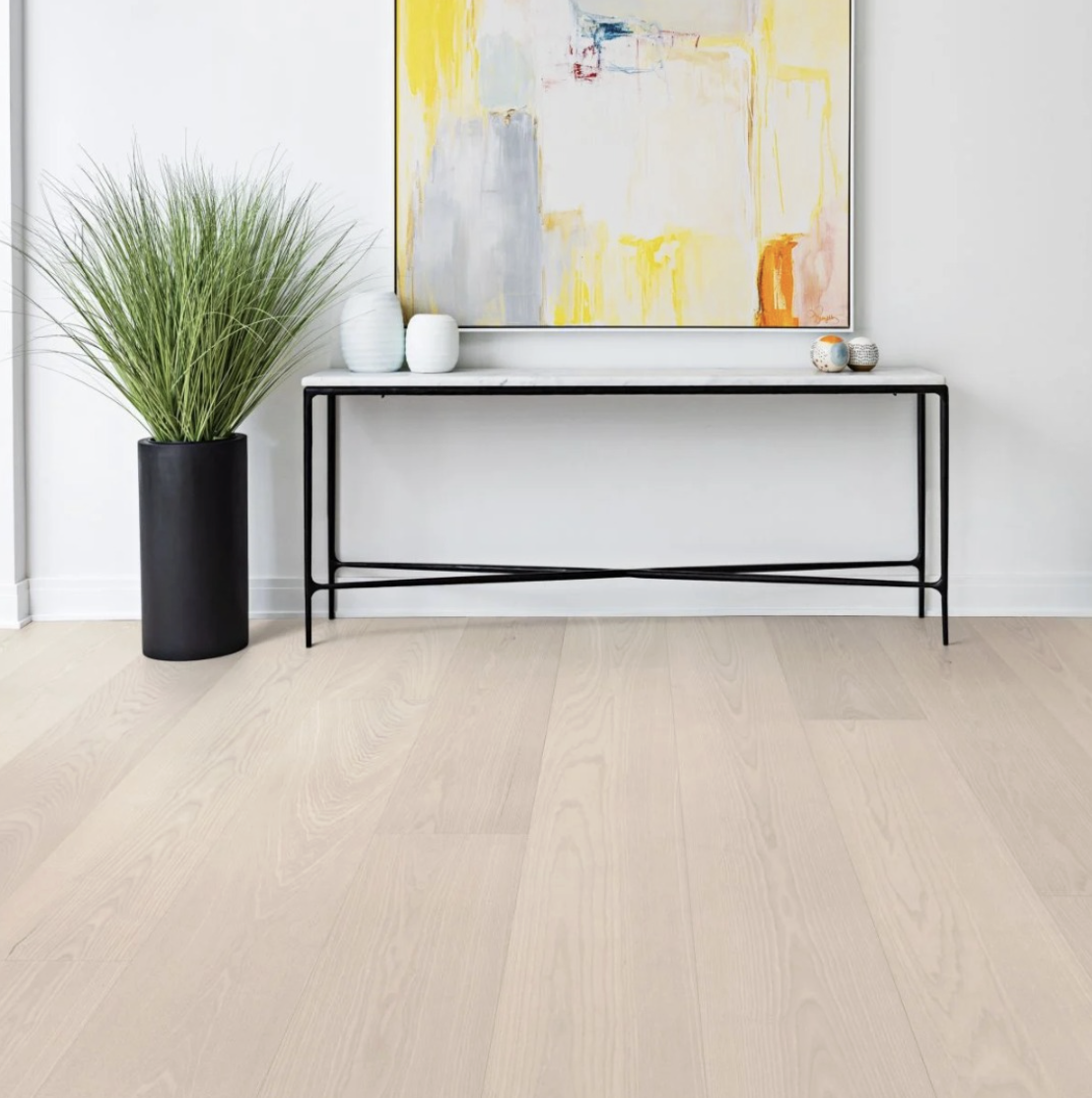
Ash generally offers a lighter appearance with a distinctive, visible grain and good durability. It’s also an excellent example of the relationship between species and grade.
Within VANTIA’s flooring selections, Ash can be chosen in cleaner grades that create a more consistent appearance or in livelier versions that feature more of the tree’s natural heartwood and variation.
It’s still Ash in both cases. The species establishes the underlying character; the grade determines how much of that character you see.
Other Hardwood Species
Oak, walnut, and ash aren’t the only options.
Other hardwood species bring their own distinctive combinations of color, grain, variation, and performance. Less-common species can be particularly interesting for homeowners, architects, and designers looking for something outside the more familiar hardwood choices.
The important thing is to evaluate each species for its inherent characteristics rather than simply comparing finished sample colors.
Some Softer Wood Species Are Worth Considering for Aesthetics and Overall Design
Hardness isn’t the only reason to choose a flooring species. Softer woods can bring distinctive grain, warmth, and natural character that may be difficult to achieve with traditional hardwoods. If aesthetics are a priority, Pine and Larch are worth considering, with the understanding that they may show wear and develop patina more readily over time.
Larch
Larch is technically a softwood, but it is relatively dense and durable within that category. Its pronounced grain, warm tones, and natural variation give it a strong visual presence, making it especially appealing in mountain, rustic, and contemporary interiors. Grade and finish can take Larch from highly expressive and natural to considerably more refined.
Pine
Pine offers warmth, visible grain, and an informal, natural character. Depending on the variety and grade, knots and color variation can become an important part of the floor’s overall design.
Because Pine is softer than species such as Oak, it will generally show dents and wear more readily. For homeowners who appreciate a floor that develops character and patina with age, however, that can be part of its appeal rather than a drawback.
How to Choose Your Hardwood Species

When evaluating hardwood flooring, consider these six features in order:
- Species: Start with the wood itself. Consider its natural grain, character, hardness, and underlying color.
- Grade: Determine how much natural variation, knots, and distinctive character you want from board to board.
- Width: Consider how plank width will influence the overall look and feel of your space.
- Texture: Explore how smooth, wire-brushed, or otherwise textured surfaces affect the floor’s appearance and feel.
- Color: Look at the wood’s natural undertones and how they complement your home’s architecture, finishes, and furnishings.
- Finish: Consider how the finish influences the final color, sheen, texture, and ongoing maintenance of the floor.
The goal isn’t to find one hardwood that excels in every category. It’s to understand how these six features work together to create a floor that suits your design preferences, lifestyle, and home.
It’s to choose the wood whose inherent characteristics you want to live with.
Choose the species for the characteristics you can’t easily change. Then use grade, width, texture, color, and finish to refine how those characteristics appear in your home.
Frequently Asked Questions About Hardwood Flooring Species
What is the best wood species for hardwood flooring?
There isn’t one hardwood species that’s best for every home. The right choice depends on the appearance you prefer, the amount of natural variation you want, the demands of your household, the installation environment, and the way you want the floor to age.
Rather than looking for a universal “best” species, compare the natural characteristics of the woods you’re considering and determine which combination works best for your home.
Is European Oak the same as White Oak?
The terms are related, but they aren’t necessarily interchangeable.
European Oak generally refers to oak grown in Europe, while White Oak commonly refers to North American White Oak. Both are members of the white oak group and share some visual characteristics, but differences in growing conditions, sourcing, and how the logs are cut can influence grain, appearance, and the resulting flooring.
If you’re comparing European White Oak with another White Oak floor, don’t rely on the name alone. Compare the actual flooring product, including its grain, grade, construction, width, and finish.
Should I choose hardwood flooring based on color or species?
Start with species.
Color can be changed significantly through finishing, while the natural grain and underlying character of the wood remain.
Choose a species whose grain, natural coloration, and character you genuinely like. Then explore the grades, textures, and finishes available within that species to achieve the final look you want.
Choose the Wood Before You Choose the Look
A beautiful hardwood floor starts with the wood itself.
Species is the foundation. Once you’ve found a wood whose natural grain, color, and character appeal to you, the other layers of hardwood flooring selection give you the opportunity to shape that wood into a floor that belongs in your home.
Grade determines how much natural character you’ll see. Width changes the scale and presentation of the boards. Texture changes how the surface looks and feels. Finish brings the final color and treatment to the wood.
Together, those choices create the finished floor.
But it all starts with choosing the wood.
Explore VANTIA Hardwood Flooring and connect with our design experts. We’re happy to help you make the right choice for your unique design and environmental requirements.
Read: How to Evaluate Hardwood Flooring Like an Expert: The 6 Layers of a Better Floor