
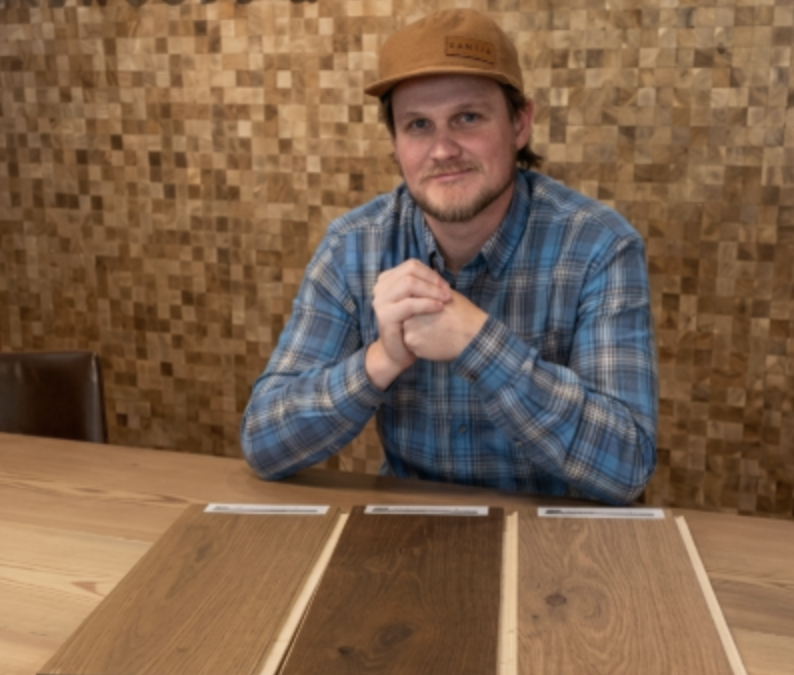
The best way to choose quality hardwood flooring is to look beyond color and evaluate how it’s made and how its key design elements work together. With engineered hardwood flooring, start with the quality of the construction. Then consider six characteristics that shape the floor you ultimately see and live with: species, grade, plank width, texture, color, and finish.
These six layers influence everything from the natural variation and character of the wood to the scale, surface feel, and final appearance of the floor. Understanding each one and how they work together will help you compare hardwood flooring like an expert and choose a floor that fits your home, design preferences, and lifestyle.
Start With Quality: What’s Underneath Matters

Before you evaluate appearance, make sure you’re looking at a well-made floor. With engineered hardwood, quality begins with the construction beneath the hardwood surface: the stability of the core, thickness and quality of the hardwood wear layer, precision of the milling, and quality of the finish.
A beautiful sample doesn’t necessarily tell you how well a floor is made. Construction establishes the quality of the product; the next six choices determine the character of the floor.
Learn these layers, and you’ll be able to help determine the quality of any hardwoods you’re considering for your interiors.
1. Species — The Personality of the Wood
The wood species provides the foundation for everything you see. European oak, white oak, walnut, and other hardwoods each have their own natural grain patterns, color variation, hardness, and character.
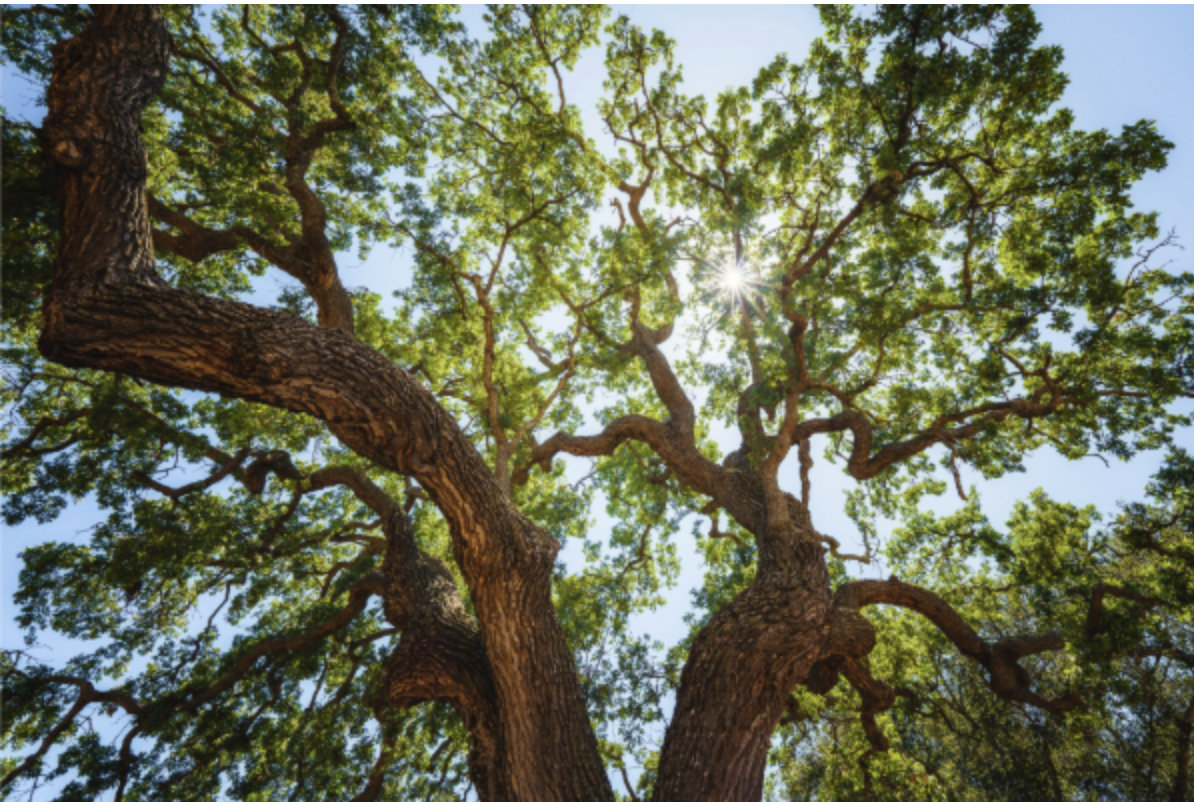
But don’t choose a species based only on the color of a sample. Species determine how the floor responds to grading, texture, and finish. Two floors stained a similar color can look remarkably different because of the wood underneath.
Learn more: How to Choose a Hardwood Flooring Species for Your Home
2. Grade — How Much Character Do You Want?
Hardwood grade is not about its quality. The grade determines how much of the tree’s natural variation you see in the finished floor. A so-called cleaner grade may have fewer knots and more consistent coloration, while natural and character grades celebrate knots, mineral streaks, grain variation, and other characteristics of real wood.
And here’s the important distinction: a higher grade doesn’t necessarily mean a more expensive or better-quality floor. Grade is largely an aesthetic choice. It’s about deciding how minimalist, modern, quiet, rustic, or expressive you want the wood to be.
Learn more: Understanding Hardwood Flooring Grades
3. Width and the Scale of the Floor
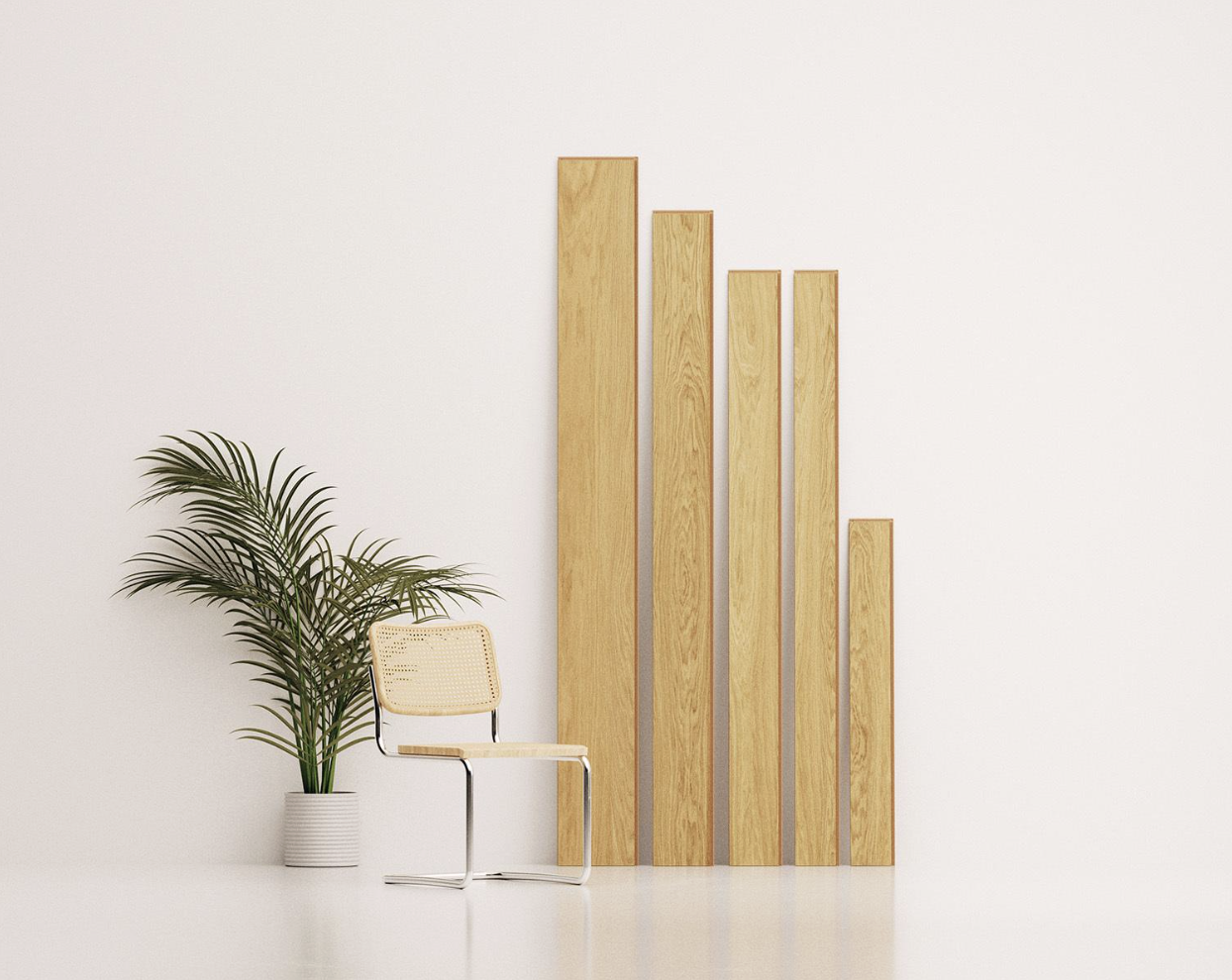
Plank width has a surprisingly large effect on how a finished room feels. Narrower boards create more lines and visual rhythm across the floor. Wider planks create fewer seams and allow the grain and character of individual boards to become more prominent.
Width also needs to work with the room’s proportions, architecture, and the construction of the flooring itself. The width also helps determine the workload required to bring the project to life. How much construction labor, trimming, and installation is required.
Don’t think of plank width as a trend. Think of it as scale.
Learn more: Hardwood Flooring Plank Width: How to Choose the Right Width for Your Home
4. Texture — How the Wood Meets the Light
Texture can dramatically change the appearance of the same species and grade. A smooth surface might create a more refined appearance, or speak to a modern aesthetic, while wire brushing or other texturing techniques can emphasize grain and give the wood greater depth.
Texture also affects how light moves across the floor, and how the floor looks as it begins to live with you.

The right texture isn’t simply something you see. It’s something you experience across an entire room. The texture of the wood is just as important to the space as the grade, width, and color.
5. Color — Setting the Tone of the Room
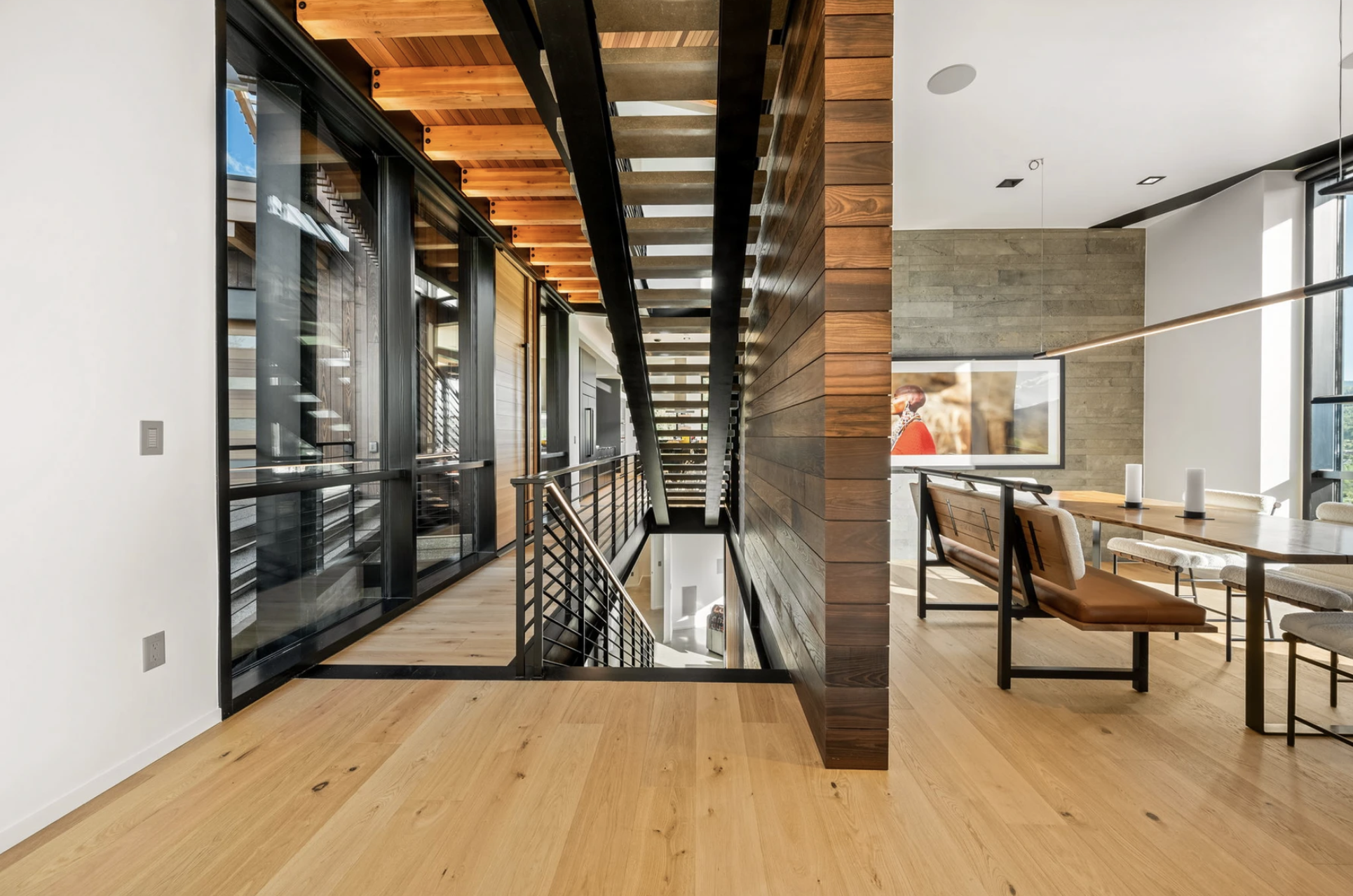
Color is often the first thing a homeowner notices, and it’s natural to let it lead the design process. After all, color dictates the entire mood of a space—lighter tones can expand a room and make it feel airy and spacious, while richer, darker shades create an intimate, moody atmosphere. Because your floor is the largest continuous surface in your home, choosing a timeless tone provides a grounding foundation, allowing shorter-term design elements like rugs, pillows, and artwork to do the talking.
However, color is far more than just a surface finish; it is the ultimate result of the wood’s natural characteristics and the specific process used to treat it. True depth of color can be achieved through various techniques—from traditional staining and reactive stains to advanced processes like smoking, steaming, or a combination of both.
How a floor takes on tone depends heavily on the species itself. For instance, French Oak responds to color in a distinct, highly sought-after way due to the specific tannins and sugars naturally present within the wood. These organic compounds interact with different treatments to produce variations that can’t be replicated artificially. The same process can look cool and uniform on one species, yet warm and deeply variegated on another.
Furthermore, color interacts continuously with the physical traits of the plank: the grade determines how much natural variation shows through, the width sets the visual scale, and the texture changes how light catches the surface. A pale tone might read as crisp and minimal on a clean-grade, narrow, smooth-textured floor, but feel rustic and rich on a character-grade, wide-plank, wire-brushed board.
Rather than picking a color in isolation, select it in harmony with the species, grade, width, and texture you’re building on. When you honor how the wood naturally reacts, the final tone feels authentic, enduring, and deeply tied to the home itself.
6. Finish — Where Everything Comes Together
Finish is often what initially attracts someone to a hardwood floor, because it determines much of the color, tone, and sheen you see in a sample. But the finish doesn’t exist independently.
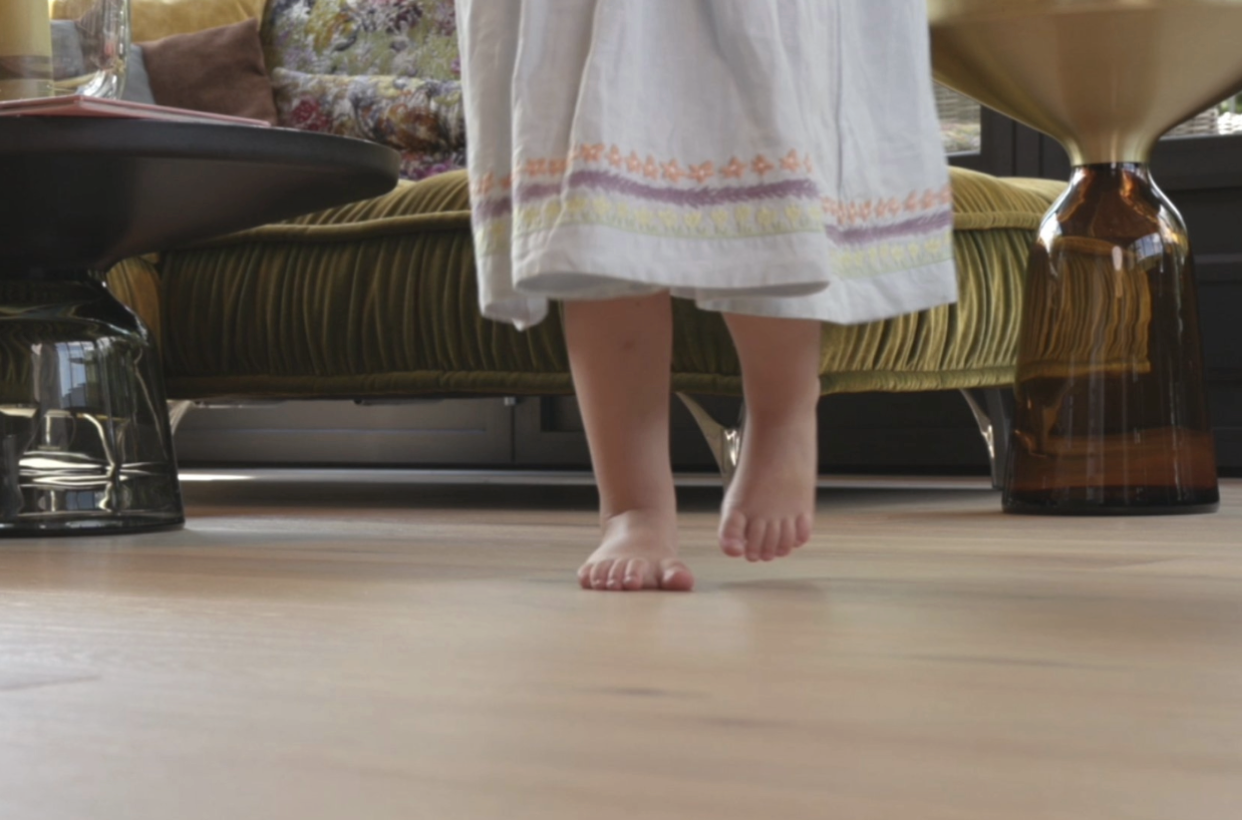
The same finish can look different depending on the species, grade, and texture underneath it. Finish also plays an important role in protection, maintenance, and how the floor ages.
Choose the finish last, not first. Once the other layers are right, the finish brings them together.
The Expert Difference: Look at the Whole Floor
A homeowner might look at two samples and ask, Which color do I like better?
An expert sees:
Species + Grade + Width + Texture + Color + Finish
Those choices interact.
A wide-plank European oak in a clean grade with a smooth surface and pale matte finish can feel quiet and architectural. Take the same species, introduce more character, add texture, and use a warmer finish, and the floor can feel entirely different.
Neither is inherently better.
The best hardwood floor choice is one in which all six choices work together to create the result you want.
View our portfolio featuring a range of natural wood species
How to Choose Hardwood Flooring: 5 Questions to Ask

In order to best choose the right flooring for a specific space, you must ask these questions about the six layers that determine your final experience.
- Species: What natural grain and character do I want?
- Grade: How much variation do I want to see?
- Width: What scale works with my rooms and architecture?
- Texture: How refined or dimensional should the surface feel?
- Color: What tone do I want the wood to carry, given the species, grade, width, and texture I’ve chosen?
- Finish: What sheen and performance characteristics complete the floor?
FAQs in Choosing Quality Hardwood Floors
1. How can you tell if hardwood flooring is good quality?
Look beyond the color and surface appearance. Quality hardwood flooring should have stable construction, precise milling, a substantial hardwood wear layer if engineered, and a durable, well-applied finish. The manufacturer, materials, and production process matter just as much as what you see in a flooring sample.
2. What should I look for when choosing hardwood flooring?
Start with the quality of the flooring itself, then evaluate six key characteristics: species, grade, plank width, texture, color, and finish. These elements work together to determine the floor’s appearance, character, and how it complements the architecture and design of your home.
3. Is engineered hardwood as good as solid hardwood?
High-quality engineered hardwood can equal or outperform solid hardwood in many applications. It uses a real hardwood surface over a stable engineered core, which can provide greater dimensional stability as temperature and humidity change. Quality varies considerably, however, so construction and wear-layer thickness are important when comparing products.
4. What hardwood flooring style will stay timeless?
Rather than choosing a floor based primarily on current trends, consider the architecture of the home, the natural character of the wood, and how the floor will work with changing furnishings and finishes. Well-proportioned planks, authentic wood character, and finishes that complement rather than disguise the wood tend to have lasting appeal.
VANTIA has over 25 years of experience distributing quality hardwood floors to homeowners, designers, and builders all over the country. We welcome conversations about the technical aspects of any of our flooring. Give us a call, contact us by email, or request a sample.