
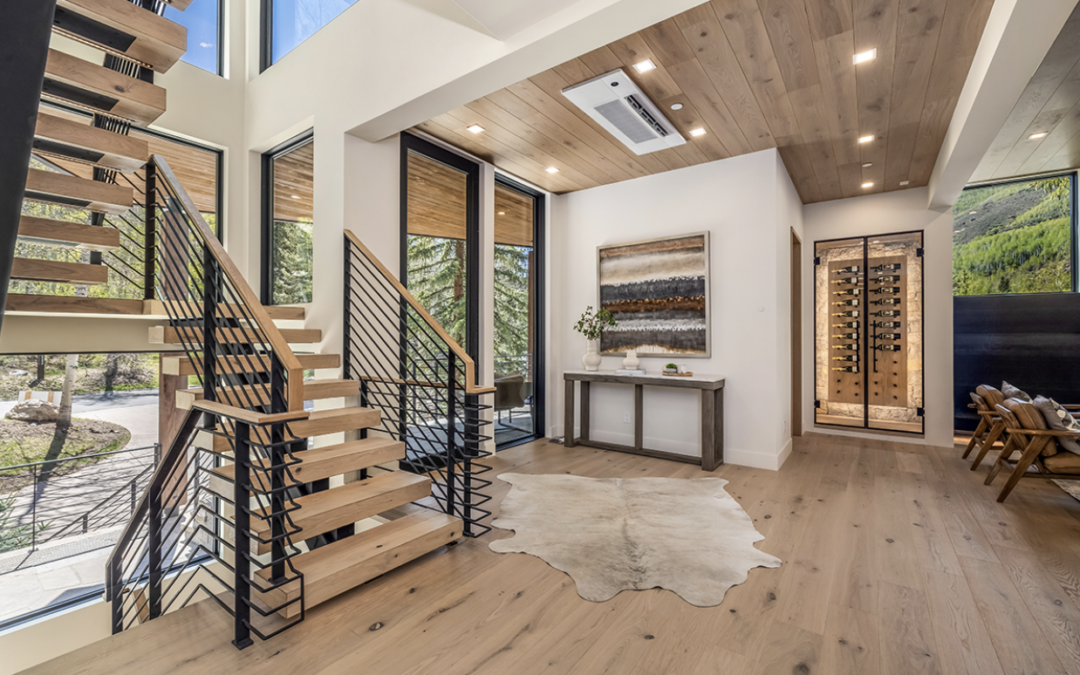
Part 2 of the Series: How to Evaluate Hardwood Flooring Like an Expert
What Does the Grade of Hardwood Flooring Mean to the Homeowner?
Grade is one of the five important characteristics to consider when evaluating hardwood flooring, along with species, plank width, texture, and finish. Together, these choices determine much of the personality of the finished floor.
The grade of hardwood flooring is an industry designation that primarily describes the natural variation and resulting character you can expect in your finished floor. A higher or lower grade does not tell you whether one hardwood floor is better quality than another. Instead, it is a way to classify the appearance and natural characteristics of the wood.
Generally, the higher the grade number, the more noticeable the variations in color, grain, knots, mineral streaks, and other natural characteristics from plank to plank, allowing more of the wood’s natural character to come through. A lower number indicates a more consistent appearance across the planks.
This makes hardwood grade an important aesthetic consideration when choosing a floor. Once you’ve selected a quality hardwood product based on its materials and construction, grade becomes a design decision. Do you want a consistent grain in the floor that provides a clean backdrop for the room? Or do you want to see more of the knots, grain, color variation, and natural character that make each plank unique?
What Are the Different Grades of Hardwood Flooring?
Grade names can vary by species and manufacturer, so don’t rely on the name alone. Instead, look at actual samples and understand the amount of natural variation permitted within the flooring.
In general, you’ll encounter flooring described along the following spectrum.
Select or Clear Grade: Clean and Consistent

Select flooring typically minimizes knots and other prominent natural markings and provides greater consistency from board to board.
The result can feel refined, quiet, and architectural. With fewer visual interruptions across the floor, the wood can serve as a sophisticated backdrop rather than becoming a dominant design element.
Select grades can work especially well in contemporary and minimalist interiors where clean lines and consistency are important.
Natural Grade: Balanced Variation
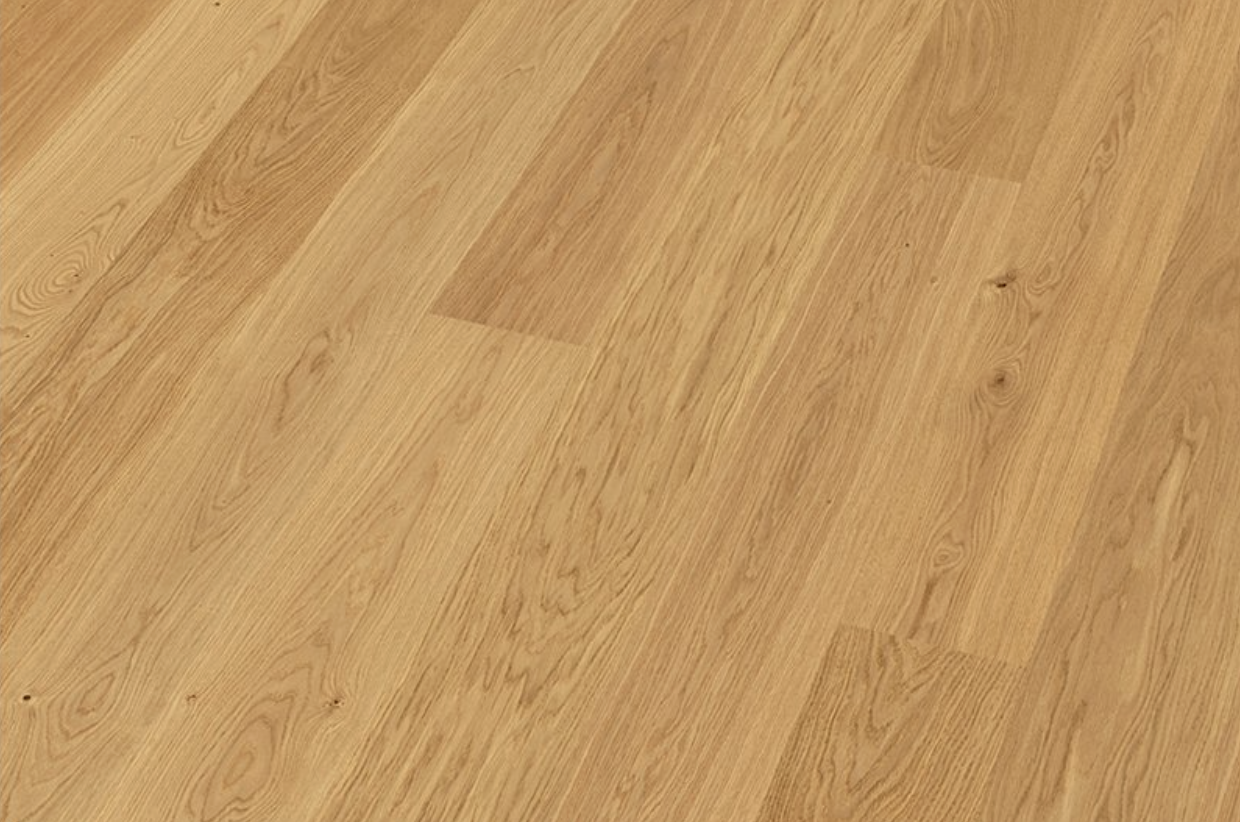
Natural grade allows more of the wood’s inherent variation to become part of the floor.
You may see changes in grain and coloration along with occasional knots and other natural characteristics. The overall appearance still feels balanced, but there is enough variation to remind you that you’re looking at a natural material rather than a manufactured pattern.
For many homeowners, this middle ground provides an appealing combination of refinement and authenticity.
Character Grade: Let the Wood Show
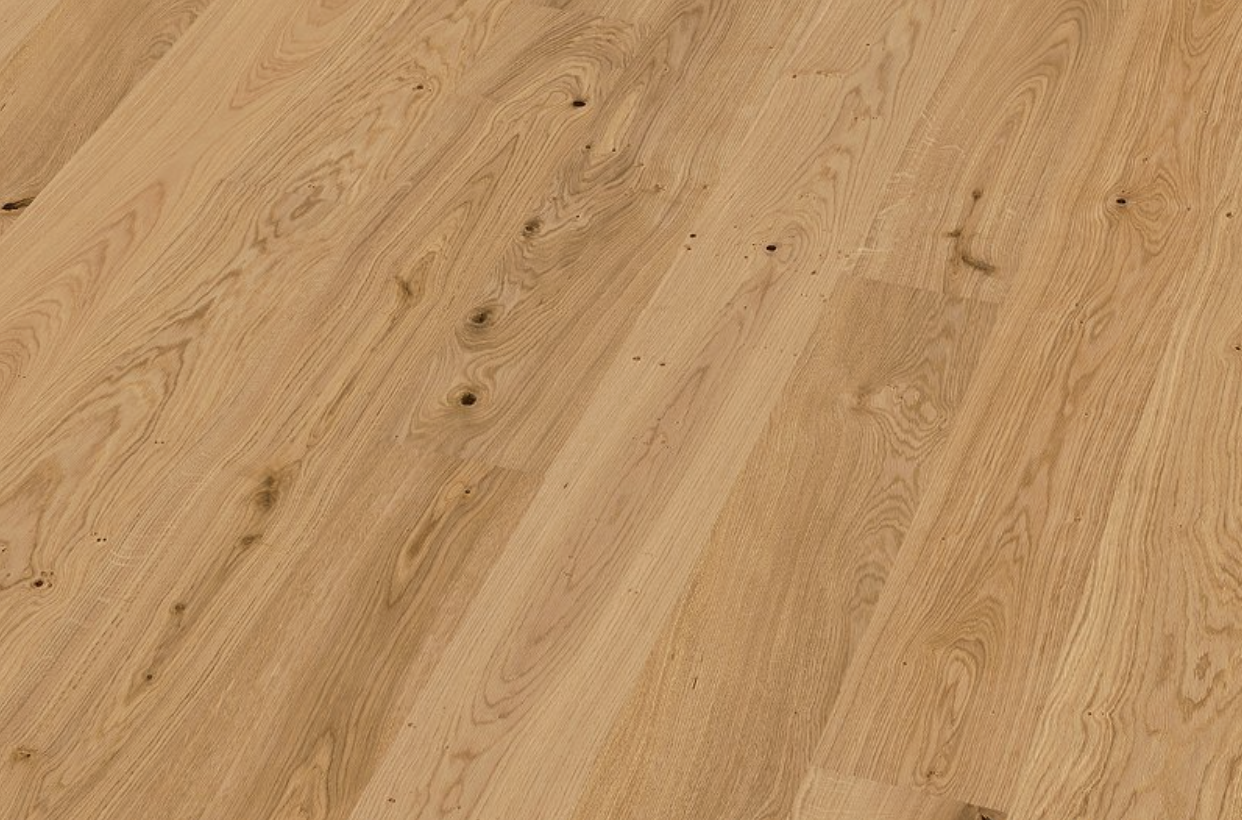
Character grade celebrates more of what happened while the tree was growing.
Expect more noticeable knots, grain variation, color differences, and other natural markings. Instead of trying to make every board look similar, character flooring allows individual boards to contribute to the overall design.
The result can feel warmer, more organic, and visually interesting.
Character doesn’t necessarily mean rustic. Pair character-grade wood with wide planks, a sophisticated texture, and a restrained finish, and the result can be distinctly modern.
Rustic Grade: Maximum Natural Expression

Rustic grades generally allow the greatest amount of visible variation and natural character.
Knots, dramatic color changes, and pronounced grain can all become important elements of the finished floor. The effect is intentionally less uniform and can create a strong connection to the natural origins of the wood.
Rustic flooring can be appropriate for traditional or mountain homes, but it isn’t limited to rustic design. Used thoughtfully, highly expressive wood can create striking contrast within clean contemporary architecture.
How Does Hardwood Grade Change the Look of a Room?
The larger the floor, the more important its grade becomes for the overall design effect the wood has on the room.
A flooring sample may show only one or two boards. Your finished floor may contain hundreds. Characteristics that seem subtle on a sample can become a significant part of the room once they’re repeated across a large area.
A minimalist grade tends to create a quieter visual field. Your eye may focus more on the furnishings, architecture, and other finishes in the room.
A more expressive grade introduces greater movement. Knots, grain, and changes in coloration become part of the design itself.
Neither approach is inherently better. The question is how prominent you want the wood to be in the overall design of your home.
Grade Works With Species, Width, Texture and Finish
This is where choosing hardwood gets interesting.
Grade never operates alone.
A character-focused grade like European Oak with wide planks, subtle wire brushing, and a natural matte finish might feel warm and contemporary. Change that same floor to a cleaner grade with a smooth texture and more consistent finish, and the overall effect can become much quieter and more refined.
This is why we recommend evaluating all five layers of a hardwood floor together:
How to Evaluate Hardwood Flooring Like an Expert: Species + Grade + Width + Texture + Finish
The goal isn’t to identify the “best” choice within every category. It’s to find the combination that creates the right floor for your home.
How Do I Choose the Right Hardwood Flooring Grade?
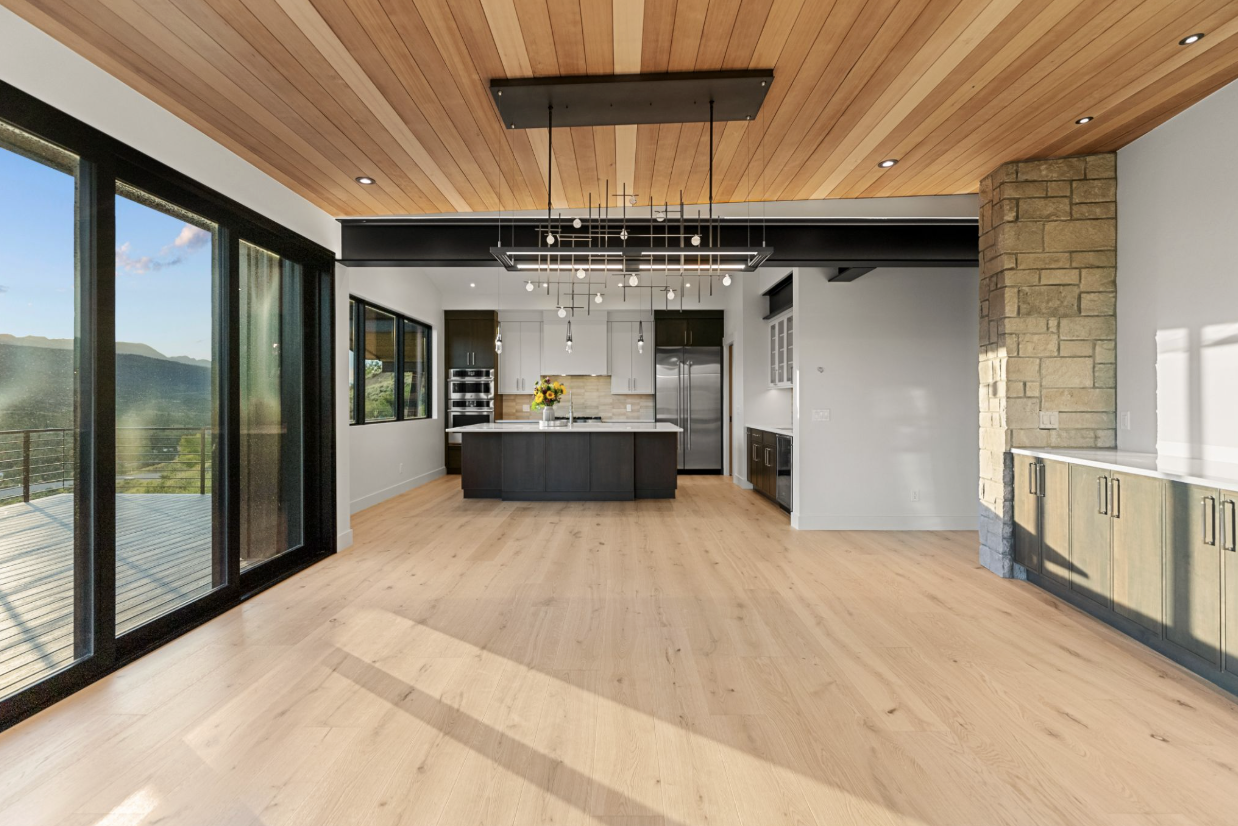
Start by thinking about the finished room rather than the flooring sample.
Ask yourself:
Do I prefer consistency in the wood or natural variations?
If you like quiet, uniform surfaces, look toward cleaner grades. If you appreciate the individuality of natural materials, consider Natural or Character grades.
Do I want the floor to be a backdrop or a design feature?
More variation generally makes the floor more visually active.
What else is happening in the room?
Cabinetry, stone, furnishings, wall treatments, and architecture all compete for visual attention. A highly expressive floor can be beautiful, but it needs to work with the rest of the space.
Am I comfortable with variation from board to board?
Real hardwood isn’t printed flooring. Part of its appeal is that no two pieces of wood are exactly alike.
Most importantly, don’t choose your grade from a single small sample. Look at larger samples or installation photography whenever possible so you can understand how the variation will appear across an entire room.
Hardwood Flooring Grade FAQs
What is the best grade of hardwood flooring?
There isn’t one best hardwood flooring grade for every home. Select and cleaner grades provide greater visual consistency, while Natural, Character, and Rustic grades allow progressively more of the wood’s natural variation to show. The best choice depends on the look you want to create.
Does Character Grade hardwood mean lower quality?
No. Character Grade describes the visual characteristics allowed in the wood, such as knots, grain, and color variation. These natural characteristics should not be confused with the overall construction and manufacturing quality of the flooring.
Which hardwood grade has the fewest knots?
Clear and Select grades generally have the fewest visible knots and natural markings. Exact grading standards and terminology vary, however, particularly with proprietary grades, so compare the manufacturer’s specifications and samples rather than relying only on the grade name.
Does hardwood flooring grade affect color variation?
Yes. Grade can influence how much natural color variation is included from board to board. Cleaner grades tend to be more visually consistent, while Natural, Character, and Rustic selections typically allow progressively more variation. Species and finish also have a major influence on the final color of the floor.
Choose the Character of Your Hardwood Floor
One of the reasons homeowners choose real hardwood is that wood isn’t perfectly uniform. Every board reflects the grain, growth, and natural characteristics of the tree it came from.
Grading gives you a way to decide how much of that natural story you want to see.
Once you’ve chosen the degree of character that feels right, the next step is to consider how the grade works with the other elements of your floor, including species, plank width, texture, and finish.