

If your floors take a daily beating from kids, dogs, dinner parties, and the constant in-and-out of a busy household, you already know that not every flooring material wears the same way. Choosing the best flooring for high-traffic areas means finding a balance between two things that don’t always come together easily: authentic beauty and long-term performance. Below, we break down how engineered hardwood flooring compares to today’s most popular wood flooring alternatives, and what to look for so your floors can withstand real life without losing their character.
What Counts as a High Traffic Area?
Before comparing materials, it helps to define where “high traffic” really shows up in a home. Entryways, hallways, and mudrooms take the brunt of dirt, grit, and shifting weather every time someone walks through the door. Kitchens and living rooms see hours of daily use, spills, and furniture movement. Homes with children, pets, or frequent entertaining multiply the wear on every surface, from tracked-in debris to the occasional dropped pan. Staircases and transition zones between rooms also see disproportionate wear, since they concentrate foot traffic into a narrow path. If any of these describe your home, your flooring choice deserves more scrutiny than a purely aesthetic decision.
Why Traffic Patterns Matter for Flooring Selection
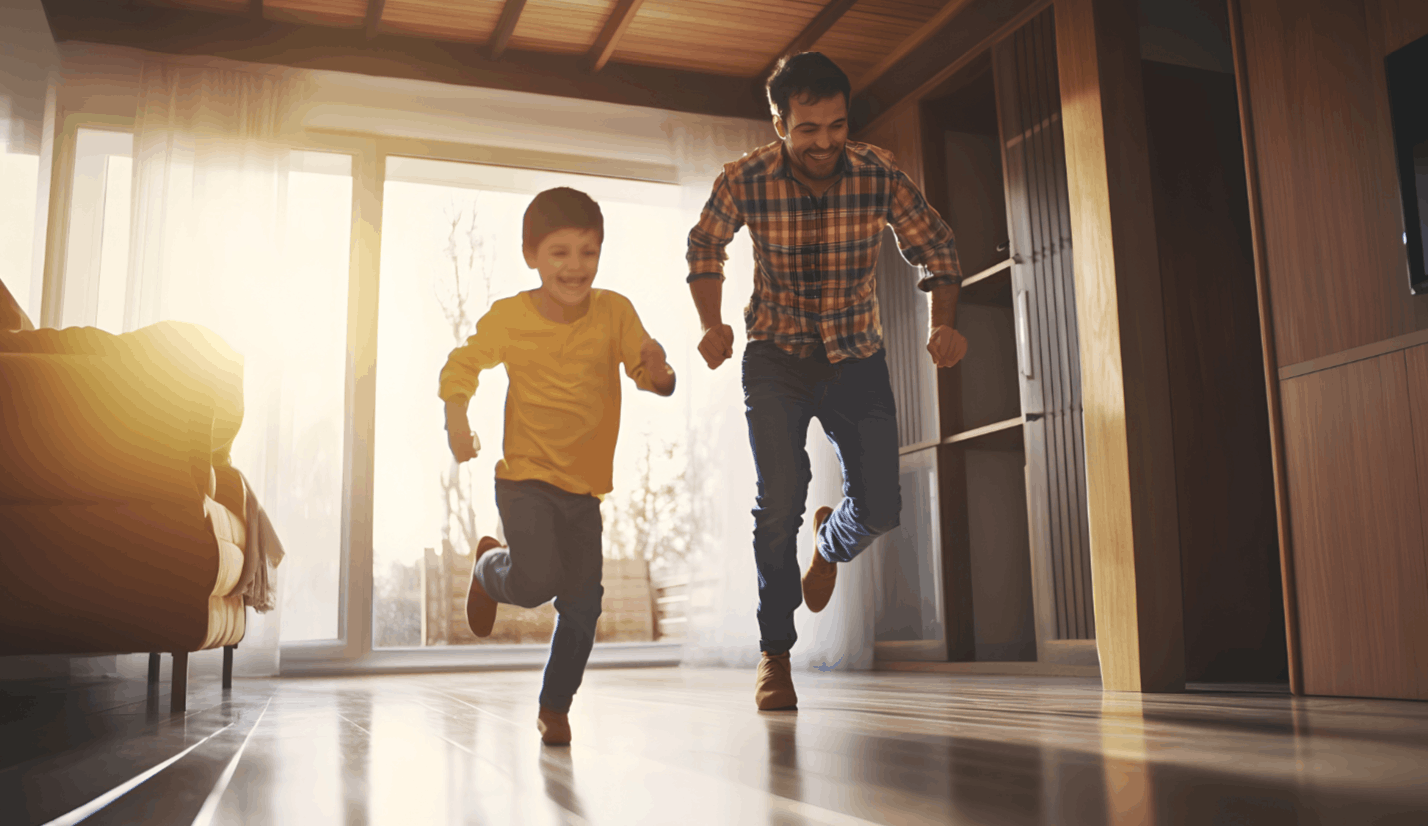
Daily wear and abrasion slowly dull a floor’s finish long before the wood itself is damaged, which is why finish quality matters as much as the wood species underneath it. Dirt, grit, and moisture exposure compound that wears, acting almost like sandpaper underfoot in entry points and kitchens. Over time, this affects long-term appearance retention, meaning floors in high traffic zones can look years older than floors in a rarely used guest room. And because flooring is one of the first things buyers notice, worn or inconsistent floors can directly impact resale value and the overall aesthetic consistency of your home.
The Challenge: Balancing Beauty with Durability
Most homeowners want the same thing: the warmth and character of authentic wood, without the anxiety of watching it scratch, dent, or dull within a few years. That tension between wanting real wood aesthetics and needing performance under daily pressure is exactly why so many buyers get stuck comparing options. The goal isn’t just finding a floor that survives high traffic — it’s finding one that won’t require frequent replacement or refinishing just to stay presentable.
Engineered Hardwood Flooring: A Durable Choice for Busy Homes
What Makes Engineered Hardwood Different from Solid Wood
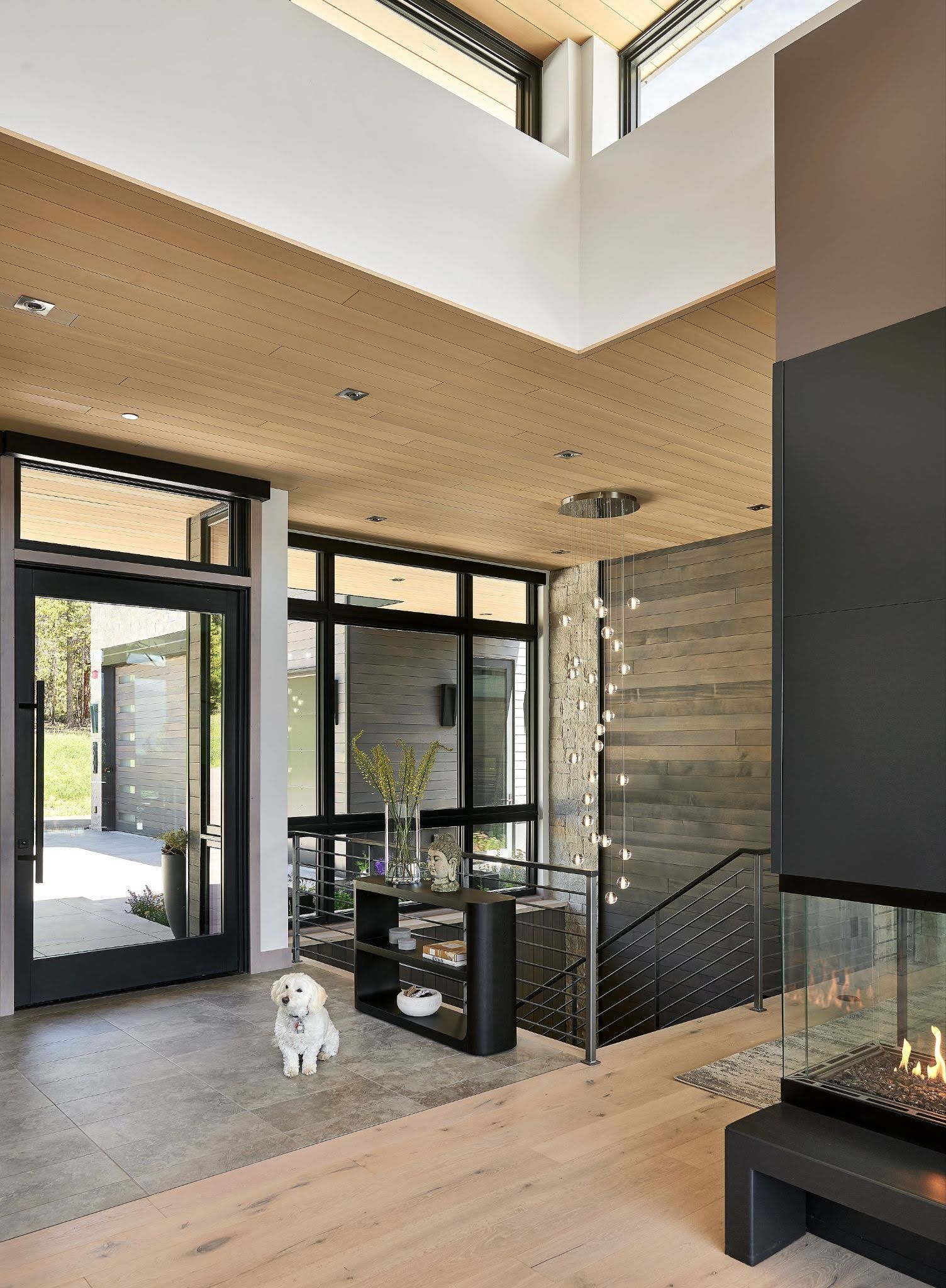
Engineered hardwood is built from multiple layers pressed together for dimensional stability, with a real wood veneer sitting on top of that stable core. This layered construction gives it better resistance to humidity and temperature shifts than solid wood, which is prone to expanding and contracting with the seasons. It’s also one of the few genuine hardwood options suitable for basements and installation over concrete slabs, where solid wood typically isn’t recommended.
Why Engineered Hardwood Performs Well in High Traffic Areas
Quality engineered hardwood is designed with high-traffic homes in mind. Thicker wear layers allow the floor to be sanded and refinished down the road, extending its usable life well beyond the original finish. The structural stability of the multi-layer core reduces warping and gapping, even as foot traffic and seasonal humidity take their toll. Wide plank formats create fewer seams, which means a cleaner look and fewer edges for dirt and moisture to work into. And professional-grade finishes add real scratch and scuff resistance where it matters most: entryways, kitchens, and hallways.
VANTIA’s In Stock Engineered Collections for Active Households
For households that need durability without sacrificing style, VANTIA offers several in-stock engineered collections built for real life. The Classic Collection features European White Oak with a commercial-rated matte finish and a robust wear layer suited to constant use. The Peak Collection offers a wire-brushed, rustic-grade texture with a PUROTEC UV-lacquered finish, delivering a raw, natural wood look with added protection. The Bjelin Woodura Collection features patented Swedish technology that hardens real wood, making it one of the most wear-resistant options available for busy households.
Wood Alternatives: How They Compare for High Traffic Residential Use
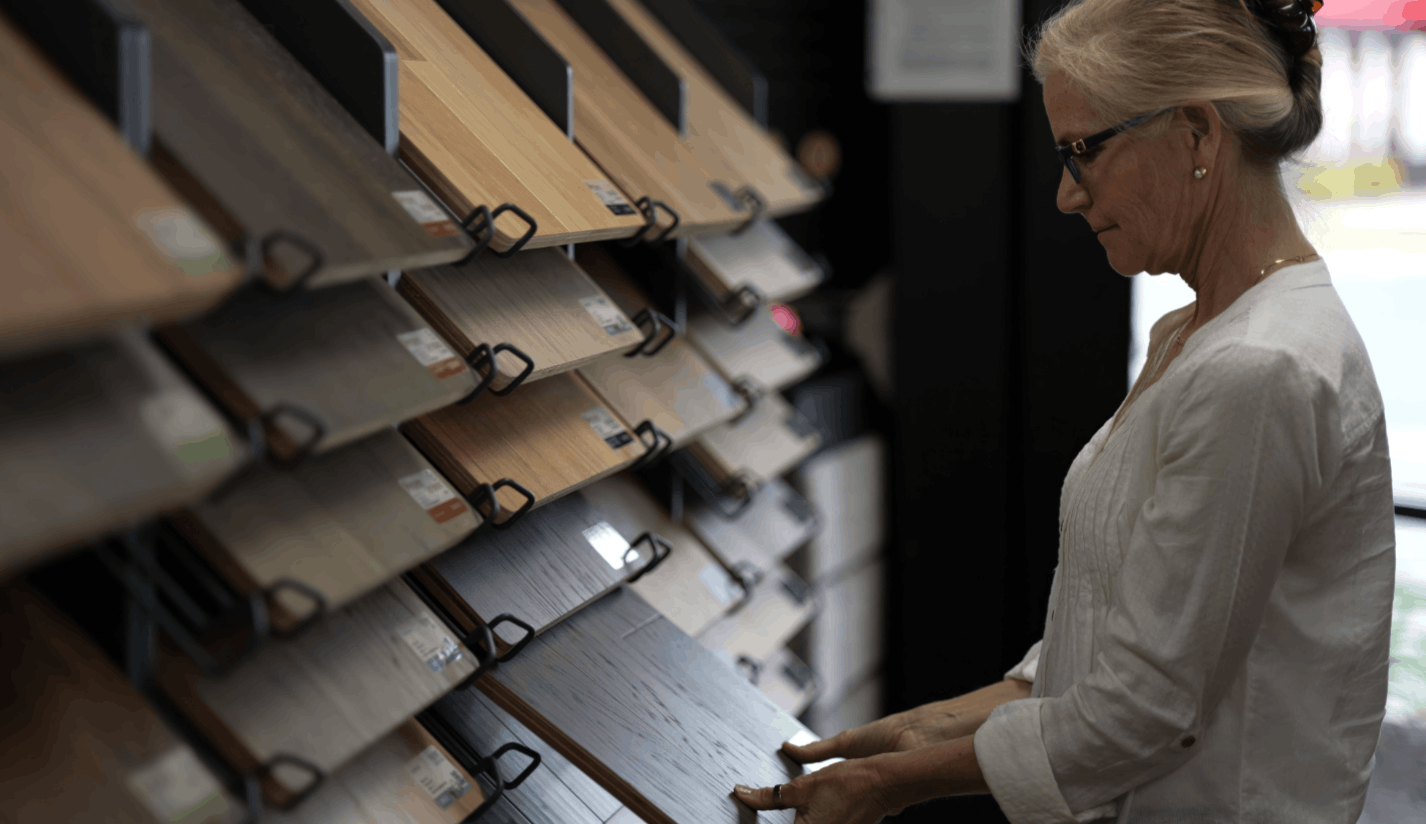
Engineered hardwood isn’t the only option marketed toward busy homes. Here’s how the most common wood flooring alternatives actually perform under daily wear.
Luxury Vinyl (LVP/LVT) & Laminate Flooring
When homeowners weigh upfront cost against long-term performance, synthetic options like Luxury Vinyl Plank/Tile (LVP/LVT) and Laminate frequently enter the conversation.
LVP and LVT are prized for being completely waterproof and highly scratch-resistant at a fraction of the cost of real wood. Laminate offers a similar budget-friendly entry point, installing quickly and providing a tough, surface-scratch-resistant barrier.
However, these low initial price tags come with significant compromises—not just in design, but in health and sustainability:
-
A Synthetic, Non-Green Profile: Neither option is eco-friendly. Luxury vinyl is essentially petroleum-based PVC plastic, relying on non-renewable fossil fuels for production. Because it is non-biodegradable, discarded vinyl sits in landfills for centuries, contributing to microplastic pollution and long-term environmental degradation.
-
Toxicity & Indoor Air Quality Risks: Synthetic floors are a primary contributor to indoor chemical pollution. Vinyl products can off-gas harmful Volatile Organic Compounds (VOCs), phthalates, and plasticizers into your home’s air. Meanwhile, laminate’s core layers often rely on synthetic resins and adhesives that can slowly release toxic formaldehyde fumes over time.
-
Lack of Authenticity & Lifespan: Beyond the chemical concerns, synthetic floors lack the natural grain, tactile warmth, and acoustic depth of genuine timber. Laminate frequently gives off a hollow, plastic-sounding echo underfoot. Crucially, neither product can ever be sanded or refinished; once the wear layer breaks down or the core swells from moisture, the entire floor must be torn out and dumped into a landfill—creating a cycle of replacement rather than a lasting investment.
Tile and Stone
Tile and stone offer exceptional durability and water resistance, making them a popular choice for entryways and kitchens. But they’re cold underfoot, harder on joints during long periods of standing, and require ongoing grout maintenance and cleaning. For homes built around a warm, wood-focused interior style, the aesthetic disconnect can also be a drawback.
Bamboo and Other Sustainable Options
Bamboo flooring’s durability varies significantly depending on the manufacturing process, with strand-woven bamboo offering better density than traditional bamboo planks. Quality can be inconsistent across brands, refinishing options are limited, and the finished look doesn’t always match the character of traditional hardwood.
Engineered Hardwood vs Wood Alternatives: Side-by-Side for High Traffic Homes
| Category | Engineered Hardwood | Wood Alternatives |
|---|---|---|
| Durability and Wear Resistance | Real wood wear layer with professional-grade finish | Surface-printed protection that cannot be renewed |
| Aesthetic Authenticity | Genuine wood grain, texture, and warmth | Visual mimicry with limited depth and character |
| Lifespan and Long-Term Value | Can be refinished once or multiple times, depending on wear layer | Requires full replacement once worn |
| Maintenance and Repair | Spot repairs, refinishing, and refresh options available | Patch or replace entire planks; no restoration path |
| Comfort and Acoustics | Warm underfoot, natural sound dampening | Often harder, louder, or requires added underlayment |
What to Look for When Choosing High Traffic Flooring
Wear layer thickness is one of the most important specs to check. A wear layer of 2mm or more allows for at least one future refinishing, while 4mm or more supports multiple sandings and significantly more long-term value.
Finish quality and technology matter just as much as the wood itself. Look for UV-cured polyurethane or matte lacquer finishes, and consider scratch-resistant, low-sheen options that do a better job of hiding everyday imperfections between refinishings.
Core construction and stability directly impact both long-term performance and installation options. Multi-layer, high-density solid engineered cores offer significantly superior structural integrity and moisture resistance compared to standard fiberboard. This added stability minimizes natural expansion and contraction, allowing for greater versatility in subfloor compatibility and flexible installation methods across different environments.
The installation method is also worth discussing with your flooring provider. Glue-down installation offers maximum stability in high-traffic zones, while floating installation offers more versatility and can include built-in moisture barriers.
Finally, don’t overlook style and plank width. Wide plank oak flooring creates fewer seams and a more modern, cohesive look throughout a room, while wire-brushed or soft-brushed textures help conceal the small marks that come with daily wear.
Bjelin Woodura: Engineered Hardwood Reinvented for Maximum Durability

What Is Woodura Technology?
Woodura is a patented Swedish innovation that hardens real wood at a molecular level using a wood-based powder fusion process. The result is a surface with significantly enhanced strength, produced through a more efficient manufacturing process that reduces raw material waste compared to traditional hardwood milling.
Why Woodura Excels in High-Traffic Residential Settings
Bjelin Woodura flooring is significantly harder and more wear-resistant than traditional hardwood, while still offering a real wood surface with authentic grain and texture. That combination makes it a strong fit as the best wood flooring for busy households — homes with pets, kids, and constant activity because it delivers the beauty of hardwood alongside engineered, lab-tested resilience. For homeowners who want genuinely durable hardwood floors without compromising on how the wood looks or feels, Woodura closes a gap that traditional engineered products haven’t fully solved.
How Bjelin Fits into the Engineered Hardwood Conversation
It’s worth being clear about what Woodura is not: it isn’t a synthetic alternative to wood. It is wood, engineered to be stronger. That positions it as a bridge between traditional engineered hardwood and the ultra-durability that busy households actually need, a practical solution for homeowners who refuse to compromise on either aesthetics or performance.
How VANTIA Helps Homeowners Choose the Best High-Traffic Flooring
Choosing between engineered hardwood and wood alternatives isn’t a decision to make from a product spec sheet alone. VANTIA starts with a professional evaluation of your household’s activity level, moisture exposure, and subfloor conditions, matching product performance to how your home actually gets used day to day.
From there, we offer curated access to premium in-stock collections, including the Classic and Peak lines of European wide plank oak engineered hardwood ready for immediate shipment, along with the Bjelin Woodura Collection for homes that need extreme durability without sacrificing authenticity.
Every recommendation is personalized around your design preferences, budget, and installation timeline, so you’re not choosing between style and performance — you’re getting both. And our support doesn’t stop at selection: VANTIA provides full-service guidance from finish and color selection through professional installation and long-term care, so your floors continue to perform exactly as promised, long after the busiest week in your household.
FAQ:
What is the best flooring for high-traffic areas?
Engineered hardwood is generally the best option for high-traffic areas because it combines real wood aesthetics with the structural stability and refinishing potential needed to withstand daily wear.
Is engineered hardwood better than laminate for busy homes?
Engineered hardwood offers a real wood wear layer that can be refinished over time, while laminate has a printed surface that must be fully replaced once it wears down, making engineered hardwood the more durable long-term investment.
What makes Bjelin Woodura flooring different from standard engineered hardwood?
Woodura uses a patented Swedish process that hardens real wood, making it significantly more wear-resistant than traditional engineered hardwood while retaining an authentic wood surface.
Is Bjelin Woodura flooring pet-friendly?
Yes. Woodura’s hardened wood surface is significantly more resistant to scratches and dents than standard engineered hardwood, making it a strong option for homes with dogs, cats, or other active pets.