
Part 5 of the Series: How to Evaluate Hardwood Flooring Like an Expert
Once homeowners decide to invest in hardwood flooring, they may start by choosing a color. While it’s a logical first step in any design concept to imagine how color will work in a space, it’s only one of many factors we recommend homeowners understand before making their final decision.
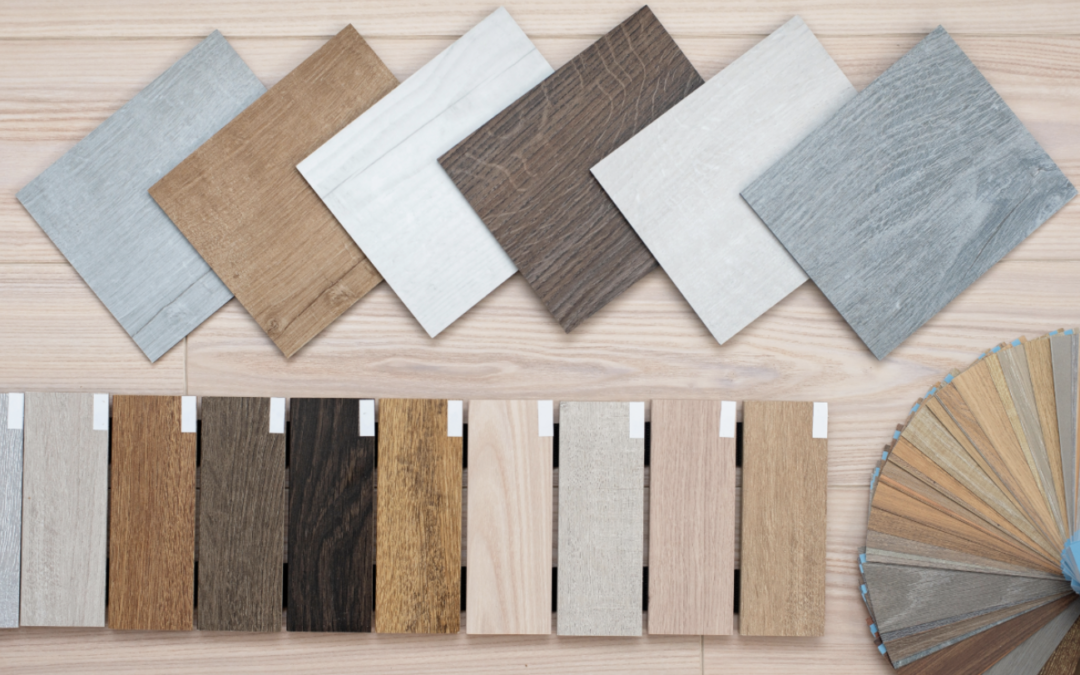
When considering your flooring color choices, think about the fixtures you plan to keep in a remodel or new home: cabinets, trim, stone, and furniture. Start by choosing a light, medium, or dark tone, then narrow it down to species, width, grade, finish, and texture. Two floors in the same color family can look surprisingly different once you see their grain, texture, and sheen. It’s critical to request samples and review them in your home’s light, day and night.
Color is one of six choices in our series, How to Evaluate Hardwood Flooring Like an Expert. If you already know the look you’re after, browse VANTIA’s hardwood floors by color and use this guide to narrow your shortlist.
What hardwood floor color works best in your home?
There are so many options in hardwood color choices. But your current home environment can help inform how to begin. Look at two things: how a light or dark floor with its undertones looks next to your current cabinets or new home design choices. A pale honey oak and a pale gray oak are both light, but they can look very different next to the same white cabinets. If you’re remodeling, start with the fixtures you’re keeping. If you’re starting from scratch, gather your flooring, cabinet, paint, tile, and countertop samples together early so you can see how they work as a group. Keep mixing and matching until you’ve landed on the best combination options. Order samples of everything.
Should you choose light, medium, or dark hardwood floors?
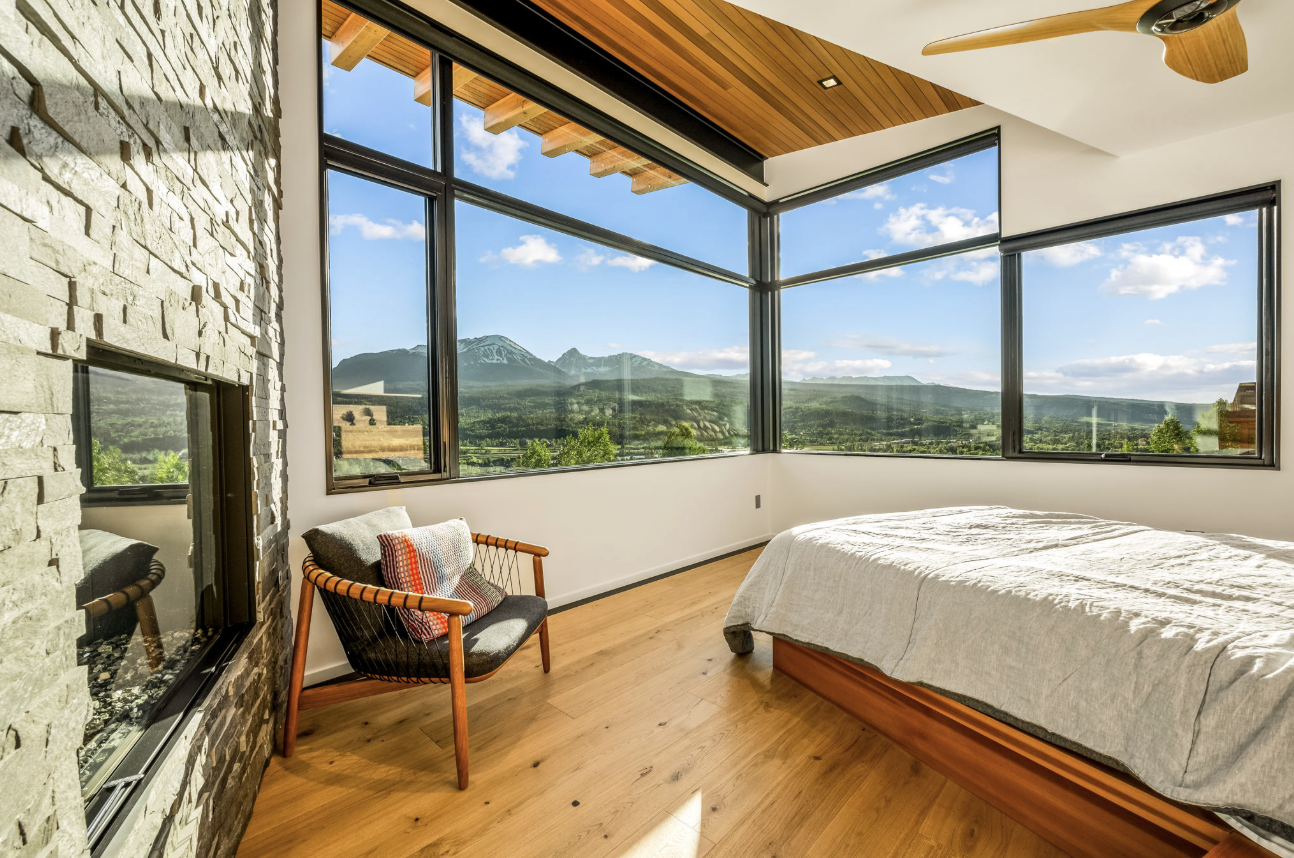
Light floors can give a room an open, airy feel, creating a soft foundation for everything from a sunlit mountain retreat to a contemporary city home. Picture pale, but warm oak beside creamy walls, linen upholstery, and natural stone for a quiet, relaxed interior. Or pair it with black window frames and sculptural furniture for a sharper, more architectural look. In a kitchen, light flooring can balance dark cabinets while keeping the overall space bright. Compare a pale oak such as VANTIA’s Bianca with a warmer sample beside your trim and cabinetry: subtle undertones can shift the room from crisp and modern to warm and welcoming.
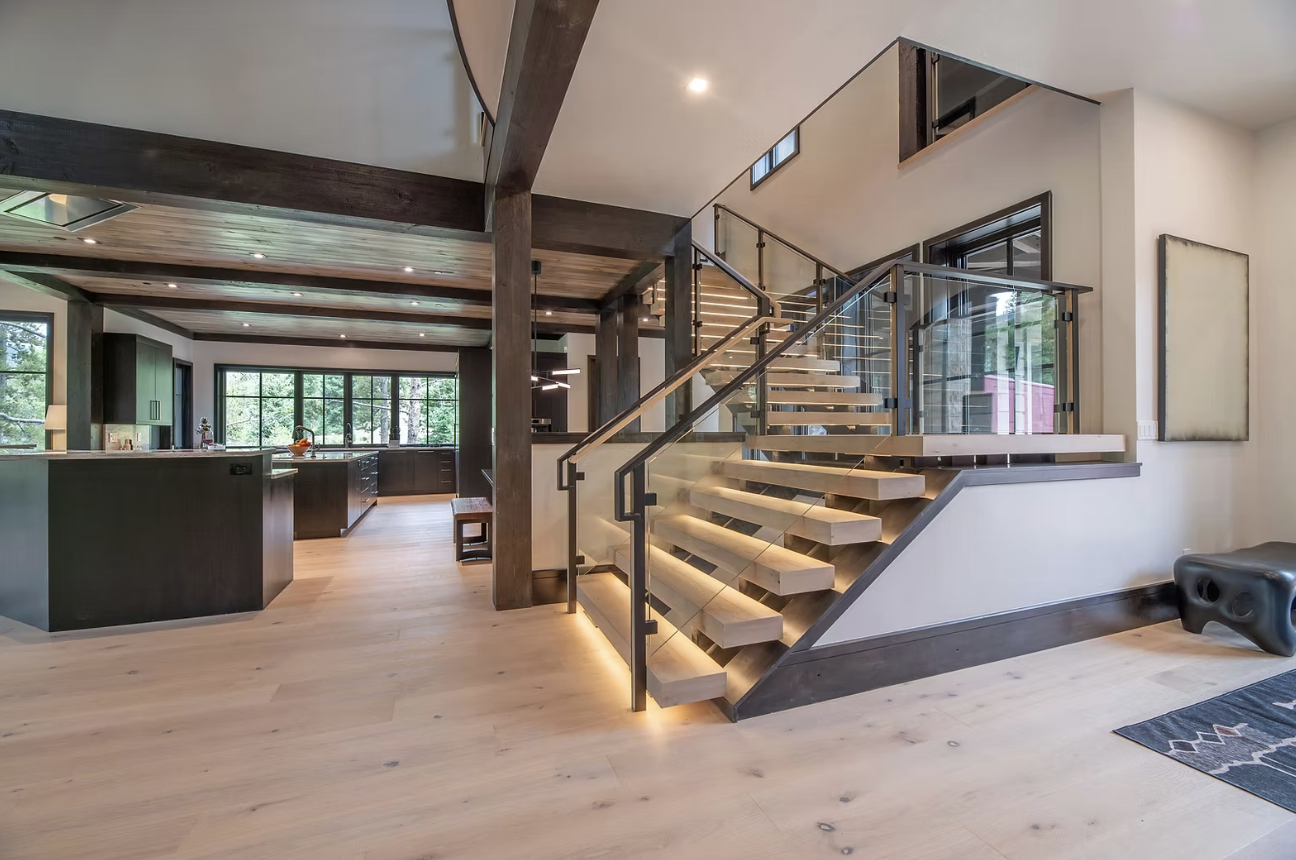
Medium tones bring in warmth and help connect light and dark materials throughout a home. Imagine honey-toned oak flowing from a kitchen with white cabinets and charcoal countertops into a living room with leather seating and a stone fireplace. Caramel and natural brown tones can soften the harder edges of steel, concrete, and glass, making a contemporary space feel more comfortable. They also work beautifully with olive green, muted blue, and earthy textiles. For an open floor plan, a medium tone can provide a consistent foundation while allowing each room to have its own personality.
Dark floors can give a room depth and a sense of intimacy, from an inviting library to a dramatic dining room. Rich brown wood beneath ivory walls, a generous wool rug, and warm brass lighting create an elegant setting that still feels comfortable. In a modern home, dark flooring can anchor a larger, open space and make pale cabinetry or a sculptural staircase stand out. You can also embrace the mood with deep green walls, walnut furniture, and layered lamplight. Compare a deep tone such as Anthracite French Oak in both the brightest and dimmest parts of your room to see whether the result feels richly enveloping or heavier than you want.

Why do two hardwood floors in the same color look different?
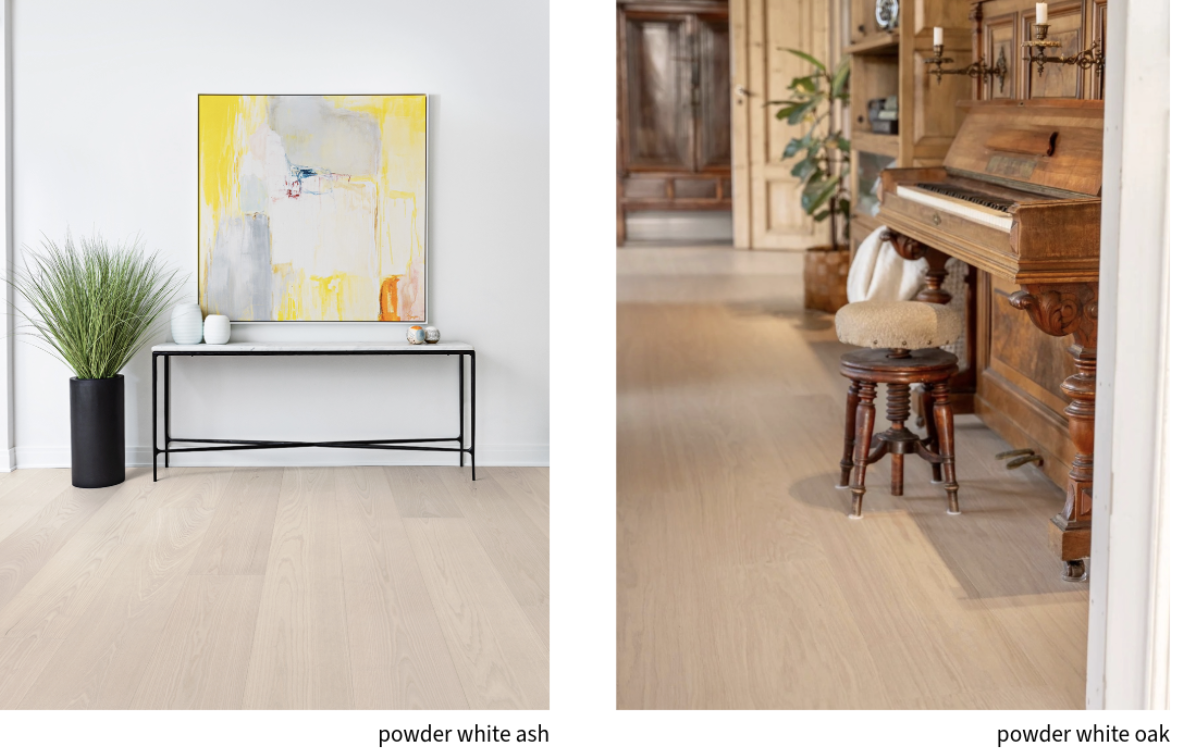
Compare VANTIA’s Powder White Ash and Powder White Oak. The two share a color name, but the grain of each wood species gives the finished floor a different look. Grade affects how much natural variation you’ll see, and plank width changes the scale of that pattern across the room.
The texture and finish matter, too. A wire-brushed surface can make the grain stand out, while sheen changes how the floor reflects light. Even within one species, the wood’s natural tone and the way it’s treated, such as staining or smoking, help create the color you see.
How do you compare hardwood floor colors at home?
Lay two or three samples flat where the floor will go. Look at them next to the materials they’ll actually touch, then come back in the evening with the lights on. If the flooring will run through several rooms, move the samples around. The same board can read warmer in the kitchen and cooler down the hall.
Ask to see a few boards together or an installed photo of the floor. A sample shows you one piece of wood. Several boards give you a better feel for the color range you’ll see from one end of the room to the other.
How do you shop VANTIA hardwood floors by color?
We created our Shop by Color feature so you can follow a palette across collections without having to know their names. Start your design journey with the Tone filter, then narrow by species, grade, or finish as you find floors you like. If you’re working toward an installation date, use the availability filter to see which options are listed as in stock.
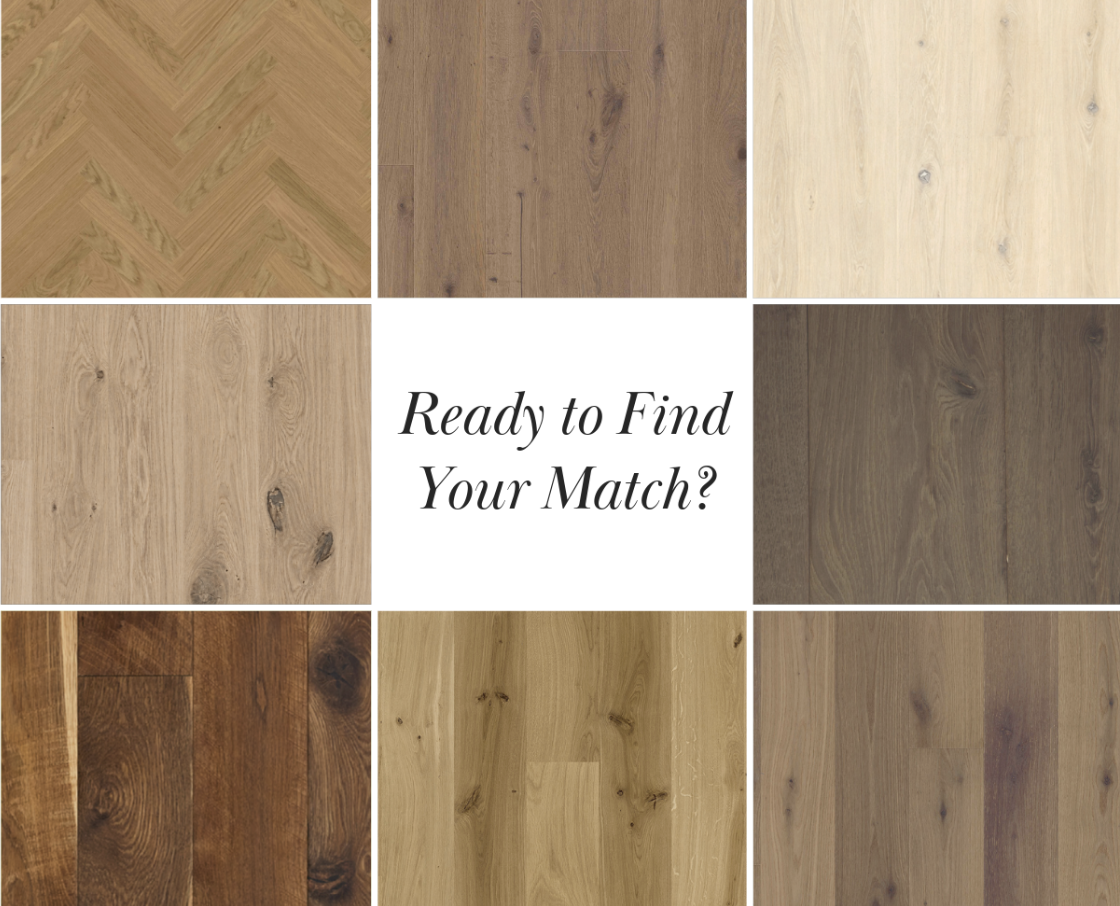
Once you’ve picked a few favorites, ask VANTIA for samples so you can compare them at home. Our internal design team can help you sort through the differences and talk through availability for your project. That’s the benefit of working with VANTIA; we’ll work with you from the start to finish of your design project.
To best understand how to choose hardwood flooring that’s right for your home, visit our blog series:
How to Choose Hardwood Flooring Like an Expert
- Species: What natural grain and character do I want?
- Grade: How much variation do I want to see?
- Width: What scale works with my rooms and architecture?
- Texture: How refined or dimensional should the surface feel?
- Color: What tone do I want the wood to carry, given the species, grade, width, and texture I’ve chosen?
- Finish: What sheen and performance characteristics complete the floor?
Hardwood flooring color FAQs
Should hardwood floors match wood cabinets?
They can complement each other without matching. Try a floor and cabinet that share a similar undertone but differ in depth, then check that you like the combination in your room’s light.
Can I choose a hardwood floor color from a photo?
Photos are useful for narrowing your options and seeing a floor at room scale. Before ordering, compare physical samples at home, where the lighting and surrounding materials can change how the color reads.